2026's Best Practices for Raw Materials Supply Chain Optimization
 maddysmith1
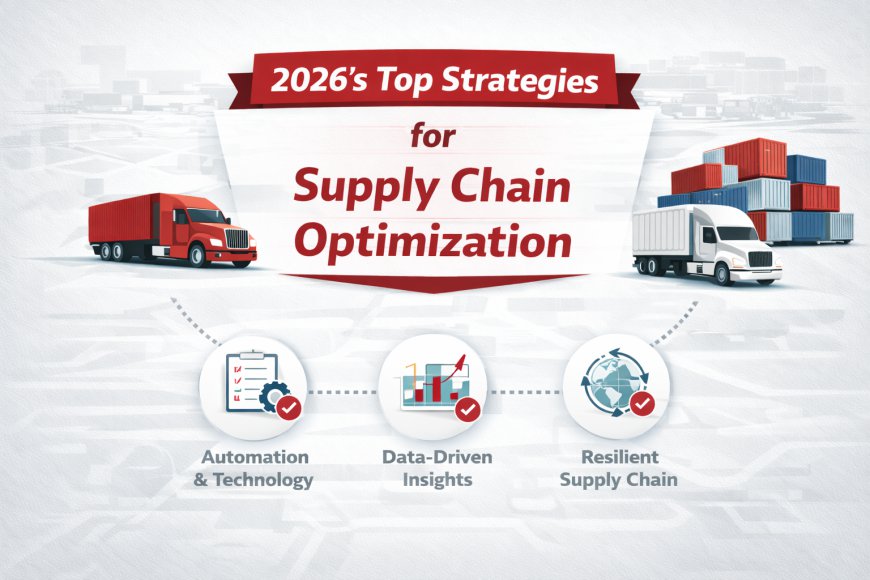
Raw Materials Supply Chain Optimization ensures that businesses receive materials on time, maintain production schedules, and reduce costs. Delays or inefficiencies in sourcing, transport, or storage can impact product quality and profitability. Partnering with a Logistics Technology Partner and implementing effective Machinery Logistics solutions streamlines operations and reduces errors.
This article provides practical strategies to optimize raw materials supply chains in 2026, improve efficiency, and maintain smooth production flow.
How Technology Enhances Raw Materials Supply Chain Optimization
Technology significantly improves supply chain efficiency. Inventory management systems, IoT tracking, and cloud-based dashboards provide real-time visibility into shipments and storage conditions. A Logistics Technology Partner can help integrate these systems, ensuring accurate inventory, reduced errors, and faster decision-making. In Machinery Logistics, tracking specialized or heavy equipment prevents damage and downtime. By using technology, businesses can forecast demand, avoid stockouts, and keep operations running smoothly without unnecessary delays.
Partner With Reliable Logistics and Material Handling Providers
Reliable logistics partners simplify the supply chain and prevent disruptions. Providers experienced in Machinery Logistics and bulk shipments handle deliveries safely and on time. Partnering with experts allows internal teams to focus on production and planning. Key benefits include:
-
On-time delivery of raw materials
-
Safe handling of heavy or specialized equipment
-
Reduced operational stress for internal teams
-
Access to logistics expertise for complex shipments
Clear communication and agreed performance standards ensure consistent supply and minimize delays.
Streamline Inventory and Storage Management
Efficient inventory and storage are critical for Raw Materials Supply Chain Optimization. Well-organized warehouses, automated tracking, and routine audits prevent stockouts, reduce waste, and improve order accuracy. Proper storage conditions maintain material quality, especially for sensitive or high-value items. Practical steps include:
-
Implement automated stock tracking
-
Conduct regular inventory audits
-
Use clear labeling and storage organization
-
Ensure proper handling for delicate or specialized materials
Effective inventory management allows businesses to respond quickly to changes in demand without overstocking or running out of essential components.
Optimize Transportation and Delivery Processes
Transportation planning is a major factor in supply chain efficiency. Optimizing routes, consolidating shipments, and coordinating schedules ensures materials arrive on time while minimizing costs. Companies transporting heavy machinery benefit from specialized vehicles and trained personnel. Real-time shipment monitoring helps quickly address delays and prevents disruptions. Using tools from a Logistics Technology Partner ensures that raw materials and equipment reach production sites safely and on schedule, supporting overall operational efficiency.
Implement Risk Management and Contingency Plans
Every supply chain faces potential risks, from supplier delays to transport challenges or equipment issues. Proactive risk management involves identifying vulnerabilities and preparing contingency plans. Companies can maintain backup suppliers, monitor trends, and analyze past disruptions. For Machinery Logistics, contingency strategies reduce downtime and keep production running. Regularly reviewing risk strategies ensures supply chains remain resilient, costs are controlled, and operations continue smoothly during unexpected challenges.
Strengthen Supplier and Vendor Collaboration
Strong collaboration with suppliers and vendors ensures timely delivery and quality compliance. Sharing forecasts, coordinating schedules, and clarifying specifications reduces delays. Supplier engagement improves lead times, especially for specialized raw materials and machinery. Clear communication and regular performance reviews build trust, consistency, and reliability, ensuring a continuous supply chain and preventing production interruptions.
Performance Monitoring and Continuous Improvement
Continuous monitoring ensures ongoing Raw Materials Supply Chain Optimization. Tracking KPIs like delivery times, order accuracy, and material handling efficiency highlights bottlenecks and areas for improvement. Feedback from suppliers and logistics partners informs adjustments. Monitoring best practices include:
-
Regular KPI reviews
-
Feedback loops with suppliers and partners
-
Auditing warehouses and inventory
-
Updating contingency plans as needed
This approach ensures the supply chain remains responsive, efficient, and reliable over time.
Best Practices for Machinery and Heavy Equipment Logistics
Handling heavy or specialized equipment safely is essential. Improper handling can lead to delays, damage, or high costs. Key practices include:
-
Using specialized carriers and vehicles for machinery
-
Planning transport routes carefully
-
Employing trained personnel for loading and unloading
-
Coordinating delivery schedules with production timelines
-
Tracking shipments in real time for visibility
Following these steps ensures equipment arrives safely and on schedule, reducing downtime and improving operational efficiency.
Conclusion: Build a Strong Raw Materials Supply Chain in 2026
Raw Materials Supply Chain Optimization in 2026 requires integrating technology, collaborating with trusted logistics partners, and carefully managing inventory and machinery logistics. Risk management, continuous performance monitoring, and strong supplier relationships ensure materials arrive on time and in good condition. Using a Logistics Technology Partner improves visibility, reduces delays, and strengthens overall efficiency. Following these strategies keeps operations agile, minimizes costs, and supports consistent production while maintaining a competitive advantage.
FAQ – People Also Ask
What is raw materials supply chain optimization?
It improves processes, logistics, and technology to ensure timely, efficient, and accurate delivery of raw materials for production.
How does technology help optimize the raw materials supply chain?
Tools like inventory management, real-time tracking, and analytics provide visibility, improve accuracy, and allow faster decision-making.
Why is partnering with logistics providers important?
Experienced logistics partners handle transportation, specialized machinery, and bulk shipments efficiently, reducing risks and ensuring on-time delivery.
How can inventory management improve supply chain efficiency?
Organized storage, automated tracking, and regular monitoring prevent stockouts, reduce waste, and allow faster response to demand changes.
What role does risk management play in raw materials supply chains?
Proactive planning and backup strategies minimize disruptions, protect assets, and ensure continuous production.
How do suppliers contribute to supply chain optimization?
Strong supplier collaboration ensures timely deliveries, quality materials, and smooth coordination with production schedules.