5 Common Tixel Myths Debunked by Skincare Professionals
 tomasfryklof
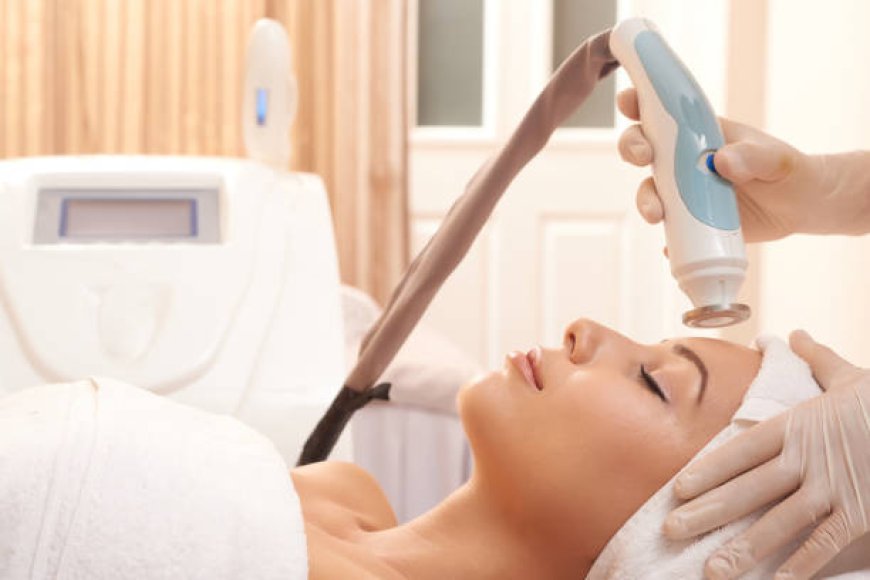
Tixel keeps coming up in conversations about skin rejuvenation, and with it comes a pile of half-true claims. Some people treat it like a miracle. Others act like it’s just another overhyped device. The truth sits in the middle, as usual. Skincare professionals who actually run the treatment every week see the same myths repeat. Here’s a clearer look at five of the biggest ones.
Myth 1: Tixel Is Just a Fancy Version of Microneedling
A lot of people lump tixel in with regular microneedling because both create tiny channels in the skin. That’s only partly right. Microneedling uses needles. Tixel uses a heated titanium tip that transfers thermal energy through brief contact. No needles pierce the skin. The heat creates the channels and stimulates collagen at the same time. Recovery and sensation feel different for most patients. Calling them the same thing skips the actual mechanism.
Myth 2: There’s Zero Downtime
This one spreads because clinics like to highlight how fast people return to normal. Compared with aggressive lasers, tixel is gentler. But zero downtime is stretching it. Most people deal with redness that looks like a sunburn for a day or two. Some get light flaking as the skin settles. Makeup usually covers it quickly. Sensitive skin can take a bit longer. Professionals who do a lot of these treatments will tell you to plan for at least a short recovery window instead of booking a big event the next morning.
Myth 3: One Session Fixes Everything
Results build. A single tixel session can improve texture and give a fresher look, especially for milder concerns. Deeper lines, acne scarring, or bigger texture issues usually need a series. Collagen keeps remodeling for weeks after each treatment. Spacing sessions properly matters more than rushing. People who expect a complete transformation from one visit often end up underwhelmed. The ones who complete the recommended plan see the clearer difference.

What Professionals Actually Recommend
Most experienced providers suggest:
- A series of treatments spaced a few weeks apart
- Honest assessment of your starting skin condition
- Realistic talk about what tixel can and cannot change
- Proper aftercare instead of ignoring the healing phase
Skipping those steps is how people end up disappointed.
Myth 4: Tixel Works the Same on Every Skin Type
Settings need adjusting. Darker skin tones require more careful energy levels to reduce the chance of pigment changes. Very thin or reactive skin may need a lighter approach. A good provider tests and customizes instead of running the same protocol on everyone. Clinics that treat a wide range of patients with tixel already know this. Ones that don’t tend to create more problems than they solve.
Myth 5: You Can’t Combine It With Other Treatments
This myth holds people back. Tixel pairs well with certain other procedures when timed correctly. Many Houston practices that offer tixel also do Hydrafacial Houston. The Hydrafacial can clean and prep the skin or help with recovery and hydration between stronger sessions. Some patients alternate or use it as maintenance. The key is spacing and professional guidance so the skin isn’t overwhelmed. Combination plans are common, not forbidden.
How These Myths Get Started
Social media plays a big role. Before-and-after photos without context make results look instant and effortless. Marketing language that softens downtime or oversells single sessions adds to the confusion. Real talk from people who perform tixel daily cuts through that noise. They see the average response, not just the highlight reel.
Patients who ask direct questions about recovery, number of sessions, and skin-type adjustments usually leave with better expectations. Those who only read captions tend to walk in with the myths still intact.
What Actually Matters for Results
Skin condition at the start, the provider’s experience, and how well you follow aftercare influence the outcome more than any single device claim. Tixel can improve texture, fine lines, and overall glow when used correctly. It is not a replacement for sun protection, basic skincare, or other needed treatments. Hydrafacial Houston fits as a supporting option for many people who want ongoing maintenance without heavy downtime.
Conclusion: Skip the Hype and Ask Better Questions
The five myths around tixel mostly come from oversimplification. It is not identical to microneedling, it is not completely downtime-free, one session rarely finishes the job, results vary by skin type, and combination treatments are often useful. Talking with professionals who run the device regularly gives a clearer picture than online claims. If you’re considering tixel and also looking at options like Hydrafacial Houston, focus on a plan that matches your skin and schedule. That’s how people end up with results that actually feel worth it.