Break Down Fat Cells Effectively With Melting Injections
Discover how Fat Melting Injections in Dubai target localized fat, what to expect, potential benefits, recovery, safety, and why professional treatment matters.
 dynamic4
Achieving a more defined body contour does not always require surgery. Fat Melting Injections in Dubai are increasingly considered by people who want a minimally invasive approach to reducing small, localized areas of unwanted fat. These injections are designed to target fat cells directly, helping create a smoother and more contoured appearance when used appropriately. Understanding how the treatment works, what it can realistically achieve, and who may be suitable can help you make a more informed decision.
How Fat Melting Injections Work
Fat-melting injections are a category of injectable treatments intended to reduce localized fat deposits. One well-studied active ingredient is deoxycholic acid, a naturally occurring bile acid that can disrupt the membranes of fat cells when injected into subcutaneous fat. Research describes this process as adipocytolysis, meaning the targeted fat cells are broken down rather than simply being temporarily emptied.
After the fat-cell membranes are disrupted, the body gradually processes cellular debris through its normal inflammatory and clearance responses. This means the visible change does not generally happen immediately; the treated area can evolve over the following weeks as swelling settles and the tissue remodels.
It is important to distinguish medically evaluated injectable treatments from products marketed broadly as “fat dissolvers.” In the United States, the FDA states that deoxycholic acid (Kybella) is approved specifically for reducing submental fat—the fat beneath the chin—in adults. The agency also warns against unapproved fat-dissolving injections because improper products or injection techniques can cause serious complications.
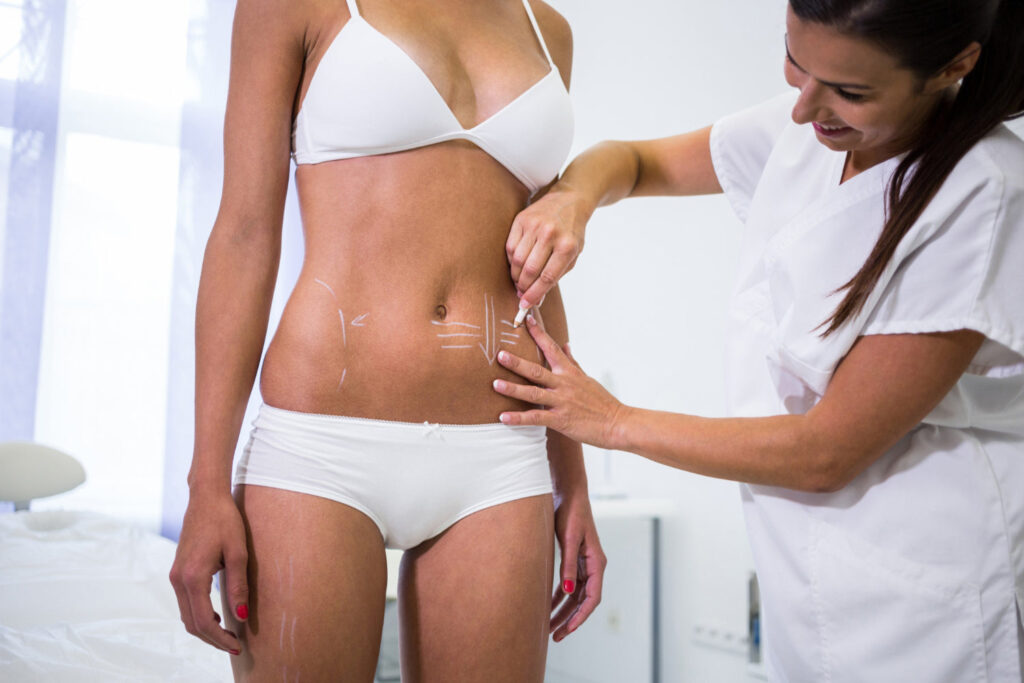
Which Areas Can Be Considered for Localized Fat Reduction?
The main appeal of localized fat reduction injections is their focus on specific areas rather than overall weight loss. They are generally considered for people who have relatively small, noticeable fat pockets that remain despite maintaining healthy lifestyle habits.
Commonly discussed treatment areas may include:
- Fat beneath the chin
- Small areas of localized fullness
- Certain contouring concerns evaluated individually by a qualified practitioner
However, not every injectable is established as safe or effective for every body area. For example, the FDA labeling for Kybella specifically states that its safe and effective use outside the submental region has not been established.
For this reason, the exact injection product, treatment area, formulation, and clinical evidence should be discussed during a professional consultation rather than assuming that any “fat melting” injection can be used anywhere on the body.
What Makes Targeted Fat Reduction Different?
Traditional weight loss reduces body fat throughout the body, while injectable contouring is intended to address selected areas. Someone may have a healthy overall weight yet still notice fullness beneath the chin or another localized area that does not respond to lifestyle changes as quickly as desired.
The goal of a properly selected injectable treatment is therefore body contouring, not dramatic weight reduction. It may be more appropriate for localized concerns than for someone looking for a treatment to lose substantial amounts of body weight.
Another important distinction is that fat-melting injections are not designed to tighten significantly loose skin. If skin laxity is a major concern, a practitioner may need to consider whether another approach would better match the individual's anatomy and aesthetic goals.
What Happens During a Fat Melting Injection Session?
A treatment generally begins with an assessment of the area and the amount and distribution of localized fat. The practitioner should also review medical history, previous procedures, medications, allergies, and any conditions that could affect treatment suitability.
If the treatment is considered appropriate, the area is prepared and injections are placed according to the selected treatment plan. Precise placement is particularly important because injectable deoxycholic acid can affect surrounding tissues if it is not administered correctly. The FDA has emphasized that correct injection location, needle placement, dose, and administration technique are important for safe use.
The number of injections and sessions varies according to the product, treatment area, and individual response. For FDA-approved deoxycholic acid treatment of submental fat, clinical protocols may involve multiple treatment sessions separated by several weeks rather than a single universal session.
This gradual approach allows the practitioner to assess the response before deciding whether additional treatment is appropriate.
Recovery, Results, and Possible Side Effects
Patients should expect some degree of temporary reaction after injectable fat reduction. With deoxycholic acid treatment, swelling, bruising, redness, discomfort, and tenderness can occur around the injection sites. These effects are related in part to the local inflammatory response associated with the breakdown of fat cells.
The recovery experience can differ considerably from one person to another. Some people may experience noticeable swelling for a period after treatment, while others may have milder reactions.
Because the body needs time to process the treated tissue, results should be judged gradually rather than immediately after the appointment. Research on deoxycholic acid describes inflammation that largely resolves over time, followed by changes in the treated fat tissue.
Potential risks make professional assessment especially important. The FDA has reported serious complications from unapproved fat-dissolving injections, including infections and scarring, particularly when products or injection techniques are unsafe.
Who May Be a Good Candidate?
Suitability depends on the treatment being considered and the area being treated. Generally, injectable contouring is more relevant to adults who are concerned about a relatively small, localized fat deposit rather than widespread excess weight.
A consultation can help determine whether the concern is actually caused by subcutaneous fat or whether another factor—such as skin laxity, muscle anatomy, swelling, or overall body composition—is contributing to the appearance.
A qualified practitioner may consider:
- The size and location of the fat pocket
- Skin elasticity in the treatment area
- Previous cosmetic or surgical procedures
- Current medications and medical history
- Existing infections or inflammation in the treatment area
- Expectations and desired degree of contouring
For approved deoxycholic acid treatment, the FDA specifically advises against treatment when there is an infection in the treatment area and recommends discussing previous or planned procedures involving the face, neck, or chin with the healthcare provider.
Choosing a Safe Approach to Fat Melting Injections in Dubai
If you are considering Fat Melting Injections in Dubai, safety should be more important than simply choosing the quickest or most aggressively marketed option. “Fat dissolving” is a broad marketing term, and different injectable formulations may have different ingredients, evidence, approvals, and risk profiles.
A responsible consultation should explain exactly what product is being proposed, which area it is intended for, what evidence supports its use, and what side effects may occur. Avoid purchasing injectable products online or attempting to administer them yourself. The FDA specifically warns consumers not to use unapproved fat-dissolving injections or inject these products themselves.
It is equally important to maintain realistic expectations. Injectable contouring is not a substitute for a balanced diet, regular physical activity, or medically indicated weight-management treatment. Its purpose is generally to address selected areas of localized fullness.
Conclusion
Melting injections can provide a minimally invasive option for addressing certain localized fat concerns when the appropriate product, treatment area, and patient are carefully selected. Deoxycholic acid has established evidence for reducing submental fat, while the safety and effectiveness of injectable fat-reduction products can vary significantly depending on their formulation and intended use.
If you are considering Fat Melting Injections treatment, begin with a consultation with a qualified medical professional who can assess your anatomy, explain the available options, and set realistic expectations. A carefully planned approach can help ensure that treatment focuses on both effective contouring and patient safety.