What Causes Actinic Keratosis and How Do You Treat It Fast?
Learn what causes actinic keratosis, how to spot it early, and explore safe actinic keratosis treatment options in Dubai for clearer, healthier skin.
 dynamic4
Actinic keratosis can appear as a rough, dry, or scaly patch that may seem harmless at first. However, these sun-related skin changes deserve attention because some can develop into skin cancer over time if left untreated. For people exploring Actinic Keratosis Treatment in Dubai, understanding what causes these spots and which treatments work fastest can make it easier to seek appropriate care without unnecessary delay.
The good news is that actinic keratosis is treatable, especially when identified early. Modern dermatological approaches can target individual lesions or larger areas of sun-damaged skin, depending on the number, location, and severity of the spots.
What Is Actinic Keratosis and What Does It Look Like?
Actinic keratosis, also called solar keratosis, is a rough, scaly skin growth caused primarily by long-term exposure to ultraviolet (UV) radiation. It commonly develops on areas that receive frequent sun exposure, including the face, scalp, ears, neck, forearms, and backs of the hands.
The appearance can vary from person to person. Some spots are easier to feel than see, often resembling sandpaper when a finger passes over the skin.
Common signs of actinic keratosis include:
- Rough, dry, or scaly patches
- Flat or slightly raised areas of skin
- Red, pink, brown, or skin-colored lesions
- A crusty or thickened surface
- Itching, burning, or tenderness in some cases
- Spots that persist instead of healing normally
Because other skin conditions can look similar, a professional examination is important. A persistent, changing, bleeding, or painful lesion should not be self-diagnosed as a simple sunspot.
What Causes Actinic Keratosis?
The main cause of actinic keratosis is cumulative UV damage. This means the skin may gradually develop damage after repeated exposure to sunlight or artificial UV sources over many years.
UV radiation can affect the DNA inside skin cells. As this damage accumulates, some cells may begin growing abnormally, eventually leading to the rough patches associated with actinic keratosis.
Several factors can increase the likelihood of developing these lesions.
Long-Term Sun Exposure
Spending significant time outdoors without adequate sun protection is one of the most important risk factors. Regular exposure during work, sports, travel, or everyday activities can gradually damage the skin.
It is not only severe sunburn that matters. Repeated lower-level exposure can also contribute to long-term sun damage.
Tanning and Artificial UV Exposure
Artificial UV sources, such as tanning beds, can also damage the skin. UV exposure from these sources may contribute to premature skin aging and increase the risk of abnormal skin changes.
Age and Cumulative Skin Damage
Actinic keratosis becomes more common as people get older because UV-related damage builds up over time. However, age alone does not cause the condition; the accumulated effect of sun exposure plays a major role.
Fair or Sun-Sensitive Skin
People with lighter skin that burns easily may be more susceptible to UV damage. Nevertheless, actinic keratosis and other forms of sun damage can occur in people with different skin tones.
Previous Sun Damage
A history of frequent sun exposure, repeated sunburns, or significant outdoor activity can increase the chance of developing sun-damaged skin. In some cases, visible signs of damage may appear years after the exposure that contributed to them.
Why Should Actinic Keratosis Be Treated Early?
Actinic keratosis is often considered a precancerous skin condition because a small percentage of lesions may progress to squamous cell carcinoma, a type of skin cancer. It is not possible to predict with certainty which individual lesion will progress.
Early assessment allows a dermatologist to examine suspicious areas and recommend the most suitable approach. Some lesions can also coexist with broader areas of UV-damaged skin, meaning treatment may need to address more than one visible spot.
Seeking Actinic Keratosis Treatment in Dubai at an early stage may offer several advantages:
- Early removal or treatment of abnormal lesions: Treating visible lesions can prevent them from remaining untreated for long periods.
- Assessment of suspicious changes: A dermatologist can identify lesions that may require closer examination or testing.
- Management of wider sun damage: Field treatments may address visible and microscopic changes across a broader area.
- Improved skin texture: Certain treatments can reduce rough, scaly areas associated with chronic sun damage.
- Better prevention planning: Patients can receive advice about sun protection and future skin monitoring.
Fast treatment should not mean rushing into the first option available. The safest and most effective method depends on the lesion and the surrounding skin.
What Are the Fastest Actinic Keratosis Treatment Options?
There is no single treatment that is best for every person. A dermatologist may choose lesion-directed treatment for a small number of spots or field therapy for actinic keratosis when multiple lesions and widespread sun damage are present.
Cryotherapy for Individual Spots
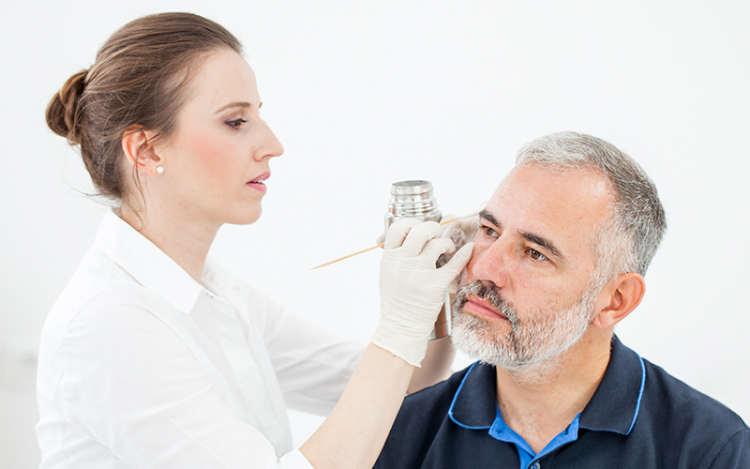
Cryotherapy is a commonly used procedure for isolated actinic keratosis lesions. The affected tissue is treated with extreme cold, typically using liquid nitrogen.
The procedure is relatively quick and is often performed during a clinic visit. After treatment, the area may become red, swollen, blistered, or crusted before healing.
Cryotherapy can be useful when there are only a few clearly defined lesions. However, it may not address microscopic abnormal cells in the surrounding sun-damaged skin.
Prescription Topical Treatments
Certain prescription creams or gels may be recommended to treat actinic keratosis. These treatments are generally applied over a specific period and may cause temporary redness, irritation, crusting, or inflammation as the treatment affects abnormal cells.
Topical options can be particularly useful when multiple lesions are present within the same area. The exact medication and treatment schedule should be selected by a qualified healthcare professional.
Photodynamic Therapy
Photodynamic therapy, often called PDT, involves applying a light-sensitive substance to the affected skin and then activating it with a specific light source after an appropriate preparation period.
This approach can treat multiple lesions across a broader area. It may be considered for certain patients with extensive sun damage or multiple actinic keratoses.
Recovery and temporary skin reactions can vary. The skin may become red, sensitive, or peel following treatment, and patients may need to follow specific instructions about avoiding light exposure.
Other Dermatological Procedures
Depending on the lesion, a dermatologist may recommend additional procedures. These can include techniques designed to remove or destroy abnormal tissue.
If a spot has unusual features, such as rapid growth, persistent bleeding, marked thickening, or significant pain, further assessment may be necessary before choosing treatment. In some situations, a biopsy may be recommended to confirm the diagnosis.
For this reason, the best approach to actinic keratosis treatment in Dubai is not simply choosing the quickest procedure. Proper diagnosis should always come first.
How Fast Can Actinic Keratosis Clear Up?
The answer depends on the treatment method, the number of lesions, their thickness, the location, and how the individual's skin heals. Some individual lesions treated with a quick in-clinic procedure may begin changing immediately, while complete healing can take longer.
Topical and field treatments generally require a treatment course and may create visible skin reactions before improvement becomes apparent. Photodynamic therapy also has its own recovery process.
It is important to distinguish between a quick procedure and instant healing. Even after a fast treatment session, the skin may need days or weeks to recover fully.
Do not pick at crusts or attempt to remove suspected actinic keratosis at home. Self-treatment with harsh acids, cutting tools, or unverified products can cause injury, infection, scarring, and delayed diagnosis of a more serious condition.
How Can You Prevent New Actinic Keratosis Spots?
Treatment removes or manages existing lesions, but it does not erase a lifetime of UV exposure. Continued prevention is essential because new lesions can develop on skin that has already experienced significant sun damage.
A practical sun-protection routine may include:
- Applying broad-spectrum sunscreen with an appropriate SPF as directed
- Reapplying sunscreen when necessary, especially during extended outdoor exposure
- Wearing protective clothing and a wide-brimmed hat
- Using sunglasses that provide UV protection
- Seeking shade when UV exposure is intense
- Avoiding intentional tanning and artificial tanning devices
- Checking the skin regularly for new or changing spots
- Scheduling professional skin examinations when recommended
Consistency matters more than occasional sun protection. Daily UV protection can help reduce additional damage to the skin.
People who have previously developed actinic keratosis may need ongoing monitoring because their history can indicate substantial cumulative sun exposure. A dermatologist can recommend an appropriate follow-up schedule based on individual risk factors and skin findings.
When Should You See a Dermatologist?
Any persistent rough or scaly patch should be checked if it does not improve, particularly when it appears on a frequently sun-exposed area. Prompt assessment is especially important when a lesion changes in size, shape, color, thickness, or texture.
You should arrange a professional skin evaluation if a spot:
- Bleeds repeatedly
- Becomes painful or increasingly tender
- Grows quickly
- Develops a persistent sore or ulcer
- Remains despite previous treatment
- Looks noticeably different from other spots on your skin
A professional examination can determine whether the lesion is actinic keratosis or another skin condition. This is an essential step before beginning treatment because different conditions can require different management approaches.
Conclusion: Act Early and Protect Your Skin
Actinic keratosis is primarily caused by accumulated UV damage, making sun protection and early recognition important parts of long-term skin health. Rough or scaly spots may seem minor, but persistent lesions deserve professional attention because some can progress to more serious skin changes.
The fastest approach is not necessarily the same for everyone. Cryotherapy may quickly target isolated lesions, while prescription topical therapies or photodynamic therapy may be more appropriate for multiple spots or wider areas of sun damage. A dermatologist can evaluate the skin and recommend the safest option based on the specific findings.
If you notice persistent sun-damaged patches, do not rely on guesswork or home remedies. Early assessment and an appropriate Actinic Keratosis Treatment plan can help address suspicious lesions while supporting better long-term skin monitoring and UV protection.