Alopecia Areata Treatment Market: Size, Trends, and Growth Strategies Analysis
 coherentmarket
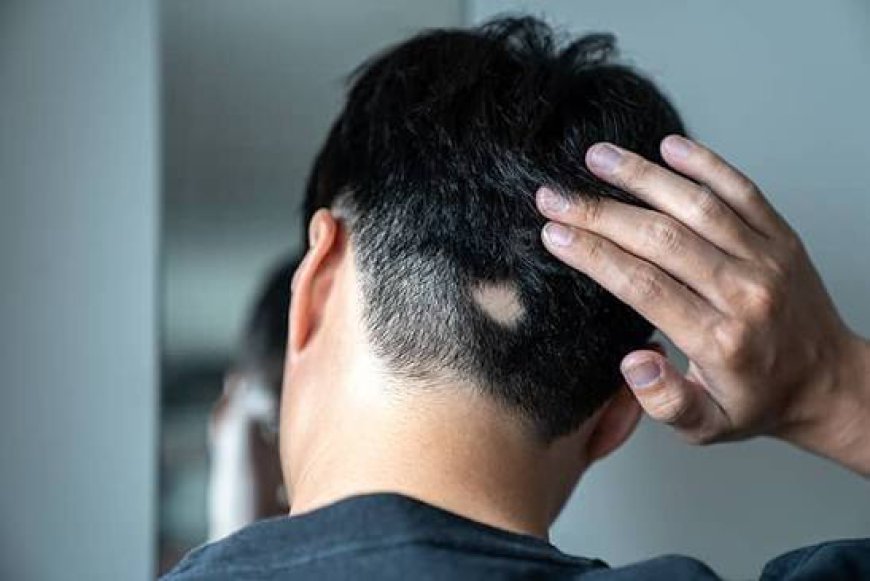
The Alopecia Areata Treatment market has witnessed significant advancements in therapeutic options and increasing patient awareness, underscoring the industry’s rapid evolution. Driven by rising prevalence rates and innovative treatment modalities, the market dynamics reflect a robust growth trajectory aligned with emerging medical research and evolving healthcare standards globally.
Market Size and Overview
The Global Alopecia Areata Treatment Market is estimated to be valued at USD 12.12 Bn in 2025 and is expected to reach USD 32.83 Bn by 2032, growing at a compound annual growth rate (CAGR) of 15.3% from 2025 to 2032.
This substantial Alopecia Areata Treatment Market Forecast highlights a strong industry size propelled by expanding research activities, regulatory approvals of novel therapies, and increasing adoption of personalized medicine. The expanding market revenue is supported by an intensifying focus on targeted biologics and immunomodulatory treatments.
Market Segments
The Alopecia Areata Treatment market can be broadly segmented into Therapeutic Type, End User, and Distribution Channel.
- Therapeutic Type includes Biologics, Topical Corticosteroids, JAK Inhibitors, and Others. Among these, JAK inhibitors have emerged as the fastest-growing sub-segment due to their demonstrated efficacy in reversing hair loss in clinical studies conducted in 2024 and 2025.
- End User divisions comprise Hospitals, Dermatology Clinics, and Specialty Clinics. Dermatology clinics dominate due to increasing patient visits and specialized treatments, while specialty clinics show rapid growth driven by expanding expertise and patient-centric care models.
- Distribution Channel segments include Hospital Pharmacies, Retail Pharmacies, and Online Pharmacies. Online pharmacies are rapidly emerging as the preferred channel due to convenience and wider availability of cutting-edge therapies validated in recent market research.
Market Drivers
A key driver of the Alopecia Areata Treatment market growth is the advancement and regulatory approval of JAK inhibitors in 2024, which have shown significant efficacy in clinical trials. For instance, these therapies have led to hair regrowth in over 70% of patients in phase 3 studies, triggering increased market adoption. Supportive government policies promoting access to orphan drugs and expanding healthcare infrastructure have also fueled product innovation investments and market opportunities, thus accelerating market growth and business growth globally.
Segment Analysis: Therapeutic Type
Focusing on the Therapeutic Type segment, biologics currently deliver the highest market revenue, reflecting their established clinical utility. However, JAK inhibitors are the fastest-growing sub-segment, with a revenue surge of approximately 25% in 2025 alone, as reported in recent pharmaceutical sales data. This is supported by cases such as successful launches and expansions by Pfizer and Eli Lilly and Company, which reported significant sales growth post regulatory clearances for JAK inhibitors in regions including the U.S. and Europe.
Consumer Behaviour Insights
Recent data from 2024–2025 reveals considerable behavioral shifts among patients seeking alopecia areata treatments. Firstly, there is a marked preference for personalized treatment plans aligned with genetic and immune response profiling, leading to higher demand for precision biologics. Secondly, increased digital engagement through teledermatology consultations has enhanced treatment accessibility, impacting distribution channel preferences. Finally, rising sustainability awareness among consumers has influenced their inclination towards therapies with lower environmental footprints—evident from growing inquiries about biodegradable packaging and eco-friendly manufacturing processes according to patient feedback surveys.
Key Players
The Alopecia Areata Treatment market companies leading current innovation include Concert Pharmaceuticals, Pfizer, Eli Lilly and Company, Equillium, and Maxinovel Pharmaceuticals among others. Throughout 2024 and 2025, these market players have unveiled new product lines, expanded manufacturing capacities, and strengthened regional presence. For example, Pfizer’s introduction of advanced JAK inhibitor formulations in mid-2025 resulted in accelerated market penetration in North America and Asia-Pacific regions. Similarly, Concert Pharmaceuticals enhanced its clinical trial pipeline to sustain innovation and market growth strategies.
Key Winning Strategies Adopted by Market Players
Two notable strategies driving market success include Pfizer’s early investment in targeted immunotherapy platforms in 2024, which delivered an 18% increase in treatment adoption rates, and Concert Pharmaceuticals’ collaboration with genomic research institutes to develop patient-specific therapies generating impactful clinical outcomes reported in 2025. Additionally, Eli Lilly’s digital outreach strategy leveraging telemedicine platforms expanded its treatment accessibility, increasing consumer engagement by over 30%, showcasing models that others in the market can emulate for scalable business growth.
FAQs
1. Who are the dominant players in the Alopecia Areata Treatment market?
Dominant market players include Concert Pharmaceuticals, Pfizer, Eli Lilly and Company, Equillium, and Maxinovel Pharmaceuticals, who have been instrumental in innovating and expanding treatment options from 2024 to 2025.
2. What will be the size of the Alopecia Areata Treatment market in the coming years?
The market is expected to grow from USD 12.12 billion in 2026 to USD 32.83 billion by 2032, reflecting a CAGR of 15% during the forecast period.
3. Which end-user segment offers the largest growth opportunity in this market?
Dermatology clinics present the largest growth opportunity, driven by enhanced patient inflow and an increasing number of condition-specific therapies.
4. How will Alopecia Areata Treatment market trends evolve over the next five years?
Market trends indicate a shift towards personalized biologics, increased digital health integration, and sustainability-focused therapies, aligning with evolving consumer expectations and technological advancements.
5. What is the nature of the competitive landscape and challenges in the Alopecia Areata Treatment market?
The competitive landscape is characterized by innovation-driven rivalry and capacity expansion, with key challenges including regulatory approval timelines and ensuring equitable access across regions.
6. What go-to-market strategies are commonly adopted in the Alopecia Areata Treatment market?
Key strategies include collaborations for advanced research, digital platform engagement for patient outreach, and regional capacity expansions to meet dynamic market demand effectively.
‣ Get more insights on : Alopecia Areata Treatment Market
‣ Get this Report in Japanese Language: 円形脱毛症治療市場
‣ Get this Report in Korean Language: 원형탈모증치료시장
‣ Read More Related Articles : Global Pharmaceutical Glass Tubing Industry: Current Trends and Future Outlook
Author Bio:
Ghanshyam Shrivastava - With over 20 years of experience in the management consulting and research, Ghanshyam Shrivastava serves as a Principal Consultant, bringing extensive expertise in biologics and biosimilars. His primary expertise lies in areas such as market entry and expansion strategy, competitive intelligence, and strategic transformation across diversified portfolio of various drugs used for different therapeutic category and APIs. He excels at identifying key challenges faced by clients and providing robust solutions to enhance their strategic decision-making capabilities. His comprehensive understanding of the market ensures valuable contributions to research reports and business decisions. Ghanshyam is a sought-after speaker at industry conferences and contributes to various publications on pharma industry.