Automotive Cabin Air Filter Market Size, Trends, and Growth Forecast 2026-2033
The automotive cabin air filter industry continues to witness significant transformation driven by rising vehicle production and increasing demand for enhanced in-cabin air quality. Industry trends indicate growing awareness of respiratory health, stricter emission norms, and technological advancements influencing market dynamics and business growth globally.
 coherentmarket
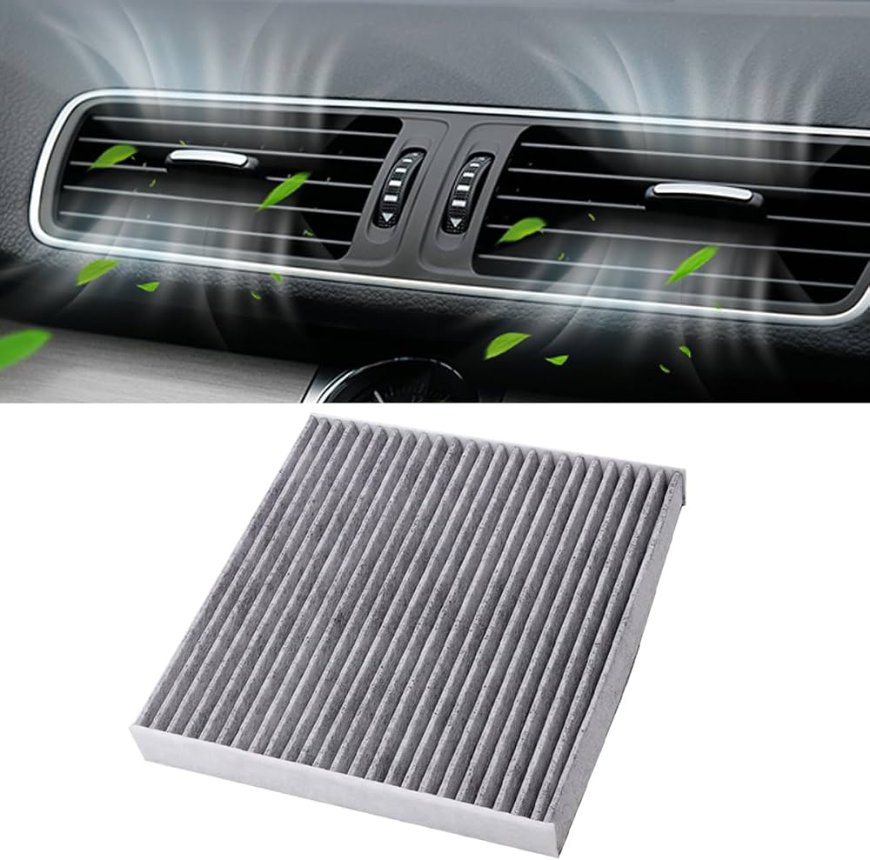
Market Size and Overview
The automotive cabin air filter market is estimated to be valued at USD 5.60 Bn in 2025 and is expected to reach USD 8.70 Bn by 2032. It is projected to grow at a compound annual growth rate (CAGR) of 6.5% from 2025 to 2032.
This Automotive Cabin Air Filter Market Report highlights a robust market growth trajectory attributable to stringent automotive emission standards and increasing consumer preference for cleaner vehicular environments. The expanding industry size and evolving market segments showcase lucrative market opportunities, supporting strategic investments and product innovations.
Market Drivers
- Increasing Vehicle Production and Emission Regulations: One of the strongest market drivers in 2024 and 2025 is the implementation of stringent air quality and emission norms by governments worldwide. For instance, the European Union’s tighter Euro 7 standards introduced in 2025 mandate improved cabin air filtration systems to reduce pollutants, thereby directly boosting automotive cabin air filter market revenue. Rapid expansion of electric vehicle production also fuels demand for advanced filters that cater to newer vehicle architectures, reflecting the growing market revenue in key regions.
PEST Analysis
- Political: New regulatory policies such as the U.S. Clean Air Act amendments in 2024 have stimulated stricter vehicle air quality standards, influencing greater adoption of advanced cabin air filters.
- Economic: In 2025, economic recovery post-pandemic and rising disposable incomes in emerging markets encourage increased vehicle ownership, leading to higher industry share for cabin air filter manufacturers.
- Social: Growing health consciousness among consumers globally in 2024 has increased demand for effective in-cabin air purification solutions, impacting market opportunities and driving market trends towards eco-friendly and high-efficiency filters.
- Technological: Advances in nano-fiber filter materials and integration of smart sensor technologies in 2025 have enhanced filter efficiency, enabling new product launches and expanding market scope in automotive cabin air filters.
Promotion and Marketing Initiatives
In 2025, one prominent strategy was the launch of awareness campaigns by leading market companies highlighting the health benefits of cabin air filters amid rising pollution levels. For example, a multinational automotive component manufacturer partnered with vehicle OEMs to promote premium-grade cabin air filters through digital marketing and in-car infotainment platforms. Such initiatives positively influenced market growth strategies by increasing consumer uptake and strengthening brand loyalty, ultimately boosting market revenue.
Key Players
- Ahlstrom-Munksjo Oyj
- DENSO Corp.
- Donaldson Co. Inc.
- Freudenberg SE
- General Motors Co.
- Mann+Hummel GmbH
- Mahle GmbH
- Purolator Filters
- Bosch
- Valeo
- NSK Ltd.
- UFI Filters S.p.A.
Recent strategies include:
- Ahlstrom-Munksjo Oyj expanded its production facility in 2025 to meet rising demand in Asia-Pacific, enhancing industry size responsiveness.
- DENSO Corp. launched next-gen high-efficiency particulate air filters with smart sensors in 2024, supporting improved market share in the Automotive Cabin Air Filter Market.
- Donaldson Co. Inc. entered strategic partnerships with electric vehicle manufacturers in 2025, contributing to market revenue growth via product diversification.
FAQs
1. Who are the dominant players in the Automotive Cabin Air Filter Market?
Key players such as Ahlstrom-Munksjo Oyj, DENSO Corp., Donaldson Co. Inc., Freudenberg SE, and General Motors Co. hold dominant positions due to their extensive R&D, robust supply chains, and strategic collaborations.
2. What will be the size of the Automotive Cabin Air Filter Market in the coming years?
The market size is projected to grow from USD 5.60 billion in 2026 to USD 8.70 billion by 2033, driven by increasing vehicle production and regulatory norms promoting advanced filtration.
3. Which end-user industry has the largest growth opportunity in this market?
The passenger vehicle segment dominates market growth trends, followed closely by commercial vehicles, owing to rising awareness of cabin air quality and regulatory pressures.
4. How will market development trends evolve over the next five years?
Market trends will see greater adoption of eco-friendly materials, integration of IoT-enabled filters, and expansion into emerging economies, supported by technology advancements and evolving consumer preferences.
5. What is the nature of the competitive landscape and challenges in the Automotive Cabin Air Filter Market?
Competition is intense, driven by innovation and cost-efficiency demands. Market challenges include raw material price volatility and the need for continuous technological upgrades.
6. What go-to-market strategies are commonly adopted in the Automotive Cabin Air Filter Market?
Collaborations with OEMs, digital marketing to raise consumer awareness, and product innovation focused on sustainability and efficiency are key market growth strategies deployed.
‣ Get more insights on : Automotive Cabin Air Filter Market
‣ Get this Report in Japanese Language: 自動車キャビンエアフィルター市場
‣ Get this Report in Korean Language: 자동차실내공기필터시장
‣ Read More Related Articles: Japan Rail Freight Transport - Logistics Industry Backbone
Author Bio:
Ravina Pandya, Content Writer, has a strong foothold in the market research industry. She specializes in writing well-researched articles from different industries, including food and beverages, information and technology, healthcare, chemical and materials, etc.