Beauty Product Information Guides: How to Inform, Build Trust, and Sell More
Learn how to create clear beauty product information guides that build trust, meet customer needs, and boost sales. A practical guide for brands, ecommerce teams, and marketers.
 lucaslaim68
Meta Title: Beauty Product Information Guides: A Practical Handbook for Brands
Meta Description: Learn how to create clear beauty product information guides that build trust, meet customer needs, and boost sales. A practical guide for brands, ecommerce teams, and marketers.
Beauty Product Information Guides: How to Inform, Build Trust, and Sell More
A customer holds your product, turns it over, and squints at the tiny text on the back. In that moment, your information either earns their trust or sends them searching for a competitor. Beauty shoppers ask a lot of questions before they buy. What's in it? Will it suit my skin? How do I use it? Is it tested safely? The brands that answer these clearly tend to win.
A strong product information guide does more than list ingredients. It explains, reassures, and helps people make confident choices. Done well, it cuts down returns, reduces support emails, and turns first-time buyers into loyal fans. Done poorly, it leaves customers confused and frustrated.
This guide walks you through everything you need to build better beauty product information. We'll cover what shoppers actually look for, how to write clear labels and inserts, the differences between product categories, the mistakes brands make, and a checklist you can use right away. Whether you sell skincare, makeup, or haircare, you'll come away with a clear plan.
Why Product Information Matters in Beauty
Beauty is personal. People put these products on their skin, hair, and lips every single day. That makes them careful and curious. A vague label or a missing detail can stop a sale in its tracks.
Trust Drives the Purchase
Shoppers can't always test a product before buying, especially online. So they rely on the information you give them. Clear, honest details fill the gap that touching and smelling would normally cover. When people feel informed, they feel safe spending their money.
The opposite is also true. Confusing or missing information creates doubt. And doubt is the fastest way to lose a sale. A well-written guide acts like a helpful sales assistant who never takes a break.
It Reduces Returns and Complaints
Many returns happen because the product wasn't what the customer expected. Maybe the shade looked different, or the texture surprised them, or they used it the wrong way. Good information sets the right expectations upfront, so fewer people feel let down after buying.
This saves you real money. Returns cost time, shipping, and restocking effort. Clear guides quietly prevent a lot of that hassle before it starts.
It Supports Safety and Compliance
Beauty products are regulated, and rules differ by country. Ingredient lists, warnings, and usage directions aren't just helpful, they're often required by law. Getting this right protects your customers and your business. It also signals that you take your responsibilities seriously, which builds even more trust.
What Information Do Beauty Shoppers Actually Want?
Before you write anything, it helps to know what people are looking for. Customers tend to scan for the same core details across most products. Give these to them clearly and you've covered the basics well.
|
Type of Information |
Why Customers Want It |
Where to Put It |
|
Ingredients |
Allergies, preferences, transparency |
Label and product page |
|
How to use |
Get the best results, avoid mistakes |
Label, insert, and online |
|
Benefits |
Understand what it does |
Front of pack, product page |
|
Skin or hair type fit |
Know if it suits them |
Product page, insert |
|
Size and quantity |
Compare value |
Label and listing |
|
Warnings and precautions |
Use it safely |
Label and insert |
|
Storage and shelf life |
Keep it fresh and effective |
Label or insert |
|
Cruelty-free or vegan status |
Match personal values |
Front of pack, online |
Notice that some details belong in more than one place. A customer reading online needs the same clarity as someone holding the box in a store. Consistency across both builds a smooth, trustworthy experience.
The Building Blocks of a Beauty Product Label
Your label is the front line of product information. It has limited space, so every element needs to earn its spot. Here's a breakdown of common label elements and what each one does.
|
Label Element |
Purpose |
Tip for Doing It Well |
|
Product name |
Identifies the item clearly |
Keep it specific, not vague |
|
Net quantity |
Shows how much is inside |
Use clear units customers know |
|
Ingredient list |
Reveals what's in the product |
List in the correct legal order |
|
Directions for use |
Guides correct application |
Keep steps short and simple |
|
Warnings |
Protects against misuse |
Make them easy to spot |
|
Batch or lot number |
Helps with tracking and recalls |
Place it where it stays readable |
|
Expiry or PAO symbol |
Shows how long it lasts |
Use the standard period-after-opening icon |
|
Brand contact info |
Builds trust and accountability |
Include a website or email |
Make Ingredient Lists Easier to Understand
Ingredient lists often use scientific names that confuse shoppers. You can't always change the legal naming, but you can add help. Consider a short plain-language note explaining key ingredients and what they do, either on an insert or your product page. For example, "Contains hyaluronic acid, which helps skin hold moisture." This kind of clarity respects your customer's curiosity without overwhelming them.
Avoid making claims you can't support. Describe what an ingredient is commonly known for, and steer clear of promising cures or medical results. Honesty here keeps you safe and credible.
Use Symbols People Recognize
Beauty packaging uses standard icons for things like recyclability, period-after-opening, and cruelty-free status. These symbols save space and cross language barriers. Use the recognized versions rather than inventing your own, so customers instantly understand them.
Matching Information to Product Categories
Not every product needs the same details emphasized. A face serum raises different questions than a lipstick or shampoo. Tailoring your information to each category makes your guides far more useful.
Skincare
Skincare buyers care deeply about ingredients, skin-type suitability, and how to fit a product into their routine. They want to know when to apply it, in what order, and how often. Patch-test advice is also valued, since reactions are a real worry.
Color Cosmetics
For makeup, shade accuracy is everything. Show true-to-life swatches and describe finishes like matte, satin, or shimmer. Application tips help too, since technique affects the final look. Wear time and coverage level are common questions worth answering.
Haircare
Haircare shoppers look for hair-type fit, such as curly, fine, or color-treated. They want to know how much to use and whether it's sulfate-free or safe for dyed hair. Clear usage steps prevent waste and disappointment.
Fragrance
Fragrance is hard to convey without smelling it. Describe the scent family and key notes, like fresh, floral, or woody. Mention how long it lasts and how strong it is. Storage tips help preserve the scent over time.
Here's a quick reference table for information needs by category:
|
Product Category |
Top Information Needs |
Helpful Extras |
|
Skincare |
Ingredients, skin-type fit, routine order |
Patch-test advice |
|
Color cosmetics |
Shade, finish, wear time |
Application tips |
|
Haircare |
Hair-type fit, usage amount |
Sulfate-free status |
|
Fragrance |
Scent notes, longevity |
Storage guidance |
|
Body care |
Ingredients, texture, scent |
Suitable skin types |
Where Inserts and Booklets Help Most
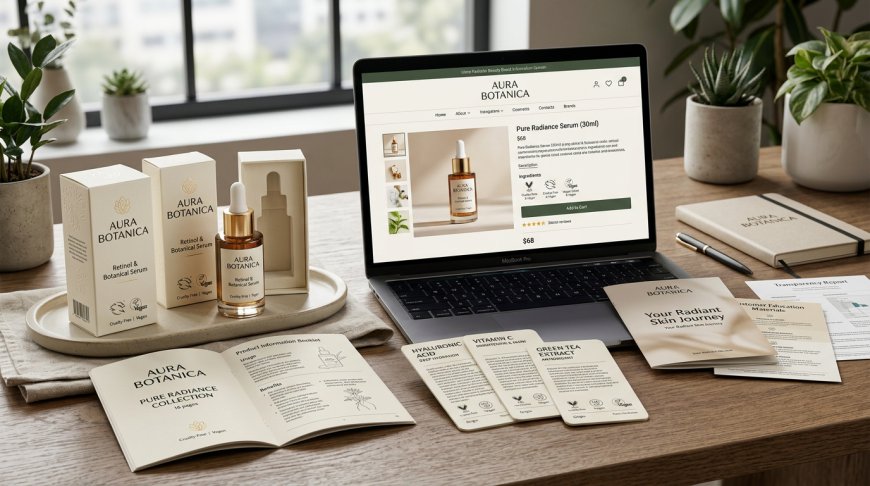
Some products simply need more space than a label allows. Multi-step skincare sets, gift collections, and premium ranges often benefit from a printed insert or small booklet. These can explain routines, share the brand story, and guide proper use in a way a tiny label never could.
For brands shipping detailed guides with their products, options like Custom Booklet Boxes Wholesale make it practical to include richer information at scale without blowing the budget. A thoughtful insert turns unboxing into a learning moment and a brand-building one at the same time.
Writing Information That Customers Actually Read
Great information isn't just accurate, it's easy to read. Beauty shoppers often scan quickly, so clarity wins over cleverness. Here's how to write guides people genuinely use.
Keep Language Simple
Drop the jargon wherever you can. Write the way you'd explain the product to a friend. Short sentences, plain words, and a friendly tone make your information feel approachable. If you must use a technical term, explain it briefly.
Break Text Into Scannable Chunks
Big blocks of text scare people off. Use short paragraphs, bullet points, and clear headings. A customer should be able to find the answer they want in seconds, whether that's how to use the product or whether it suits their skin.
Lead With Benefits, Then Back Them Up
People want to know what's in it for them first. Start with the main benefit in plain terms, then support it with details. For example, "Lightweight moisturizer that absorbs fast" tells the story quickly, and the ingredient list backs it up below.
Be Honest and Specific
Vague promises erode trust. Specific, truthful descriptions build it. Instead of "amazing results," say what the product does and how to use it for the best outcome. Customers respect brands that tell them the truth, even when it's modest.
Building Trust Through Transparency
Trust is the currency of the beauty world. Shoppers have grown skeptical of bold claims and flashy marketing. The brands that stand out today are the ones that show their work and tell the truth.
Show What You Can Prove
If you say a product is cruelty-free, vegan, or dermatologist-tested, be ready to back it up. Display certifications and explain what they mean. When customers can verify your claims, they trust the rest of your information more too.
Admit What a Product Doesn't Do
Honesty about limits is surprisingly powerful. If a moisturizer isn't meant for very oily skin, say so. This saves the wrong customer from a bad experience and builds credibility with everyone else. People remember brands that helped them avoid a mistake.
Keep Information Consistent Everywhere
Your label, website, packaging insert, and social posts should all tell the same story. Mismatched details create doubt and confusion. A single, consistent message across every touchpoint makes your brand feel reliable and well run.
Beyond the words, the look and feel of your packaging carries information too. Thoughtful Customized Packaging can reinforce your message, guide the customer through the product, and make your guides feel like a natural part of the experience rather than an afterthought.
Common Mistakes Beauty Brands Make
Even experienced brands slip up with product information. Here are the most frequent mistakes and how to fix them.
|
Common Mistake |
Why It Hurts |
How to Fix It |
|
Overusing jargon |
Confuses and alienates buyers |
Add plain-language explanations |
|
Vague claims |
Erodes trust, may break rules |
State only what you can prove |
|
Cluttered labels |
Important details get lost |
Prioritize and simplify |
|
Inconsistent info |
Creates doubt and confusion |
Align label, web, and inserts |
|
Missing usage steps |
Leads to poor results, returns |
Add clear how-to-use guidance |
|
Ignoring skin/hair fit |
Wrong customers buy and return |
State who the product suits |
|
No safety warnings |
Risks misuse and compliance issues |
Include required precautions |
|
Tiny, unreadable text |
Frustrates customers |
Use legible sizes and spacing |
The pattern here is clear. Most mistakes come from either overcrowding information or being too vague. Aim for the sweet spot: complete, clear, and honest.
How to Create a Better Product Information Guide: Step by Step
Putting it all together is easier when you follow a process. Here's a practical path you can use for any product.
Step 1: List the Questions Customers Ask
Start with your support emails, reviews, and social comments. What do people keep asking? Those questions reveal exactly what your guide should answer. This grounds your information in real customer needs rather than guesswork.
Step 2: Gather Accurate Details
Collect the verified facts: full ingredient list, directions, warnings, certifications, and sizes. Double-check everything with your supplier or formulator. Accuracy here is non-negotiable, since errors can harm customers and your reputation.
Step 3: Decide What Goes Where
Map each piece of information to the right place. Core safety details and ingredients belong on the label. Deeper explanations and routines fit well on inserts or product pages. This keeps each surface clear and focused.
Step 4: Write in Plain Language
Draft your content simply and benefit-first. Read it aloud to catch anything clunky. If a friend outside the industry would struggle to understand it, rewrite it. Clarity beats cleverness every time.
Step 5: Design for Readability
Work with your designer to make text legible. Mind the font size, spacing, and contrast. Use recognized icons and a clean layout. Even the best words fail if customers can't comfortably read them.
Step 6: Test With Real People
Show your guide to people who aren't on your team. Can they find the key facts quickly? Do they understand how to use the product? Their feedback uncovers gaps you're too close to notice.
Step 7: Review and Update Regularly
Reformulations, new rules, and customer feedback all mean your information needs upkeep. Set a schedule to review your guides. Keeping them current protects both your customers and your compliance.
A Checklist for Stronger Beauty Product Guides
Use this checklist before you finalize any product information:
-
Answer the top questions customers actually ask.
-
Verify every ingredient, claim, and instruction for accuracy.
-
Include clear directions for use and any required warnings.
-
State who the product suits and what it does.
-
Explain key ingredients in plain language.
-
Use recognized icons and legible text sizes.
-
Align information across label, packaging, and online listings.
-
Prove any certifications like cruelty-free or vegan.
-
Test the guide with people outside your team.
-
Review and update on a regular schedule.
Keep this list handy whenever you launch or refresh a product. Working through it steadily raises the quality of every guide you produce.
Bringing Information and Experience Together
The best beauty brands treat information as part of the product experience, not a chore. From the moment a customer reads the front of the pack to the time they open an insert at home, every detail shapes how they feel about your brand.
Think about the journey. A clear front label sparks interest. A helpful product page answers questions. A well-designed insert guides correct use and tells your story. Each step reduces doubt and deepens trust. When all these pieces work together, customers feel cared for, and that feeling drives loyalty.
You don't need to perfect everything at once. Pick one product, apply the steps in this guide, and improve from there. Small, consistent upgrades to your information add up to a brand that feels trustworthy, professional, and genuinely helpful.
Conclusion
Clear product information is one of the most powerful tools a beauty brand has. It answers questions, builds trust, prevents returns, and keeps you on the right side of the rules. Best of all, it turns a simple label or insert into a quiet but effective salesperson working for you around the clock.
Start by listening to your customers' real questions. Gather accurate details, place them where they make sense, and write in plain, honest language. Design for easy reading, keep your message consistent, and update your guides as things change. Then test with real people and refine.
Do this, and your product information becomes more than fine print. It becomes a reason customers choose you, trust you, and come back. Pick one product today, work through the checklist, and start building guides that truly serve the people who buy from you.
Frequently Asked Questions
What information must every beauty product include?
At a minimum, most products need a clear name, net quantity, ingredient list, directions for use, any required warnings, a batch number, and a period-after-opening or expiry indicator. Rules vary by country, so always check the regulations where you sell. Including brand contact details also builds trust and accountability.
How do I explain complicated ingredients without confusing customers?
Keep the legal ingredient list as required, then add short, plain-language notes either on an insert or your product page. For example, explain that an ingredient is "known for helping skin stay hydrated." Avoid medical claims, and simply describe what an ingredient is commonly recognized for. This respects curiosity without overwhelming readers.
Where should detailed product information go if my label is small?
Use your label for essential safety and legal details, then move deeper explanations to inserts, booklets, or your product page. Multi-step routines, brand stories, and usage tips work especially well in printed inserts. This keeps your label clean while still giving customers the full picture.
How can clear product information reduce returns?
Many returns happen because the product didn't match expectations. When you clearly state the shade, texture, suitable skin or hair type, and how to use the product, customers know what to expect before buying. Setting accurate expectations upfront leads to fewer disappointments and fewer returns.
How do I avoid making claims that get my brand in trouble?
Only state what you can prove, and avoid medical or curative promises. Back up certifications like cruelty-free or vegan with documentation. Describe benefits honestly and specifically rather than using vague, sweeping language. When in doubt, stay factual and modest, which protects both your customers and your reputation.
How often should I update my product information?
Review your guides whenever you reformulate a product, when regulations change, or when customer feedback reveals confusion. Even without big changes, a regular check, such as once or twice a year, helps keep everything accurate and current.
What's the best way to test if my product guide works?
Show it to people outside your team and watch how they use it. Ask them to find key facts, like how to use the product or whether it suits their skin. If they struggle or get confused, you've found exactly what to fix. Real-world feedback is the most reliable test.