Chemotherapy Induced Neutropenia (CIN) Market Size and Growth Analysis 2026-2033
 coherentmarket
The
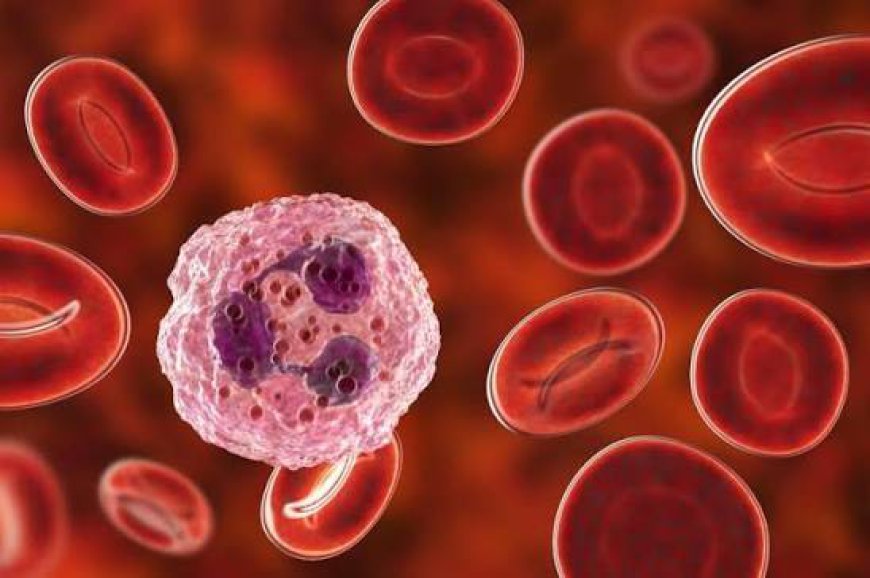
t has demonstrated resilient growth due to increasing cancer incidence worldwide and the rising adoption of chemotherapy protocols necessitating effective management of neutropenia. This market’s expansion reflects progressive innovations in supportive therapies addressing neutrophil restoration and infection risk reduction in immunocompromised patients.
Market Size and Overview
The chemotherapy induced neutropenia (CIN) market is estimated to be valued at USD 14.88 Bn in 2025 and is expected to reach USD 21.08 Bn by 2032, growing at a compound annual growth rate (CAGR) of 5.1% from 2025 to 2032.
The Chemotherapy Induced Neutropenia (CIN) Market Revenue growth is driven by rising chemotherapy utilization, advancements in biosimilars, and enhanced patient management protocols focused on lowering CIN-related complications. Industry size trends indicate increasing demand for novel granulocyte-colony stimulating factors (G-CSFs) and biosimilar formulations, which are shifting treatment paradigms globally.
Market Segments
The Chemotherapy Induced Neutropenia (CIN) market report identifies three core segment categories:
- Product Type: Originator G-CSFs, Biosimilar G-CSFs, and Others. Biosimilar G-CSFs represent the fastest-growing sub-segment due to cost-effectiveness and widened accessibility, with a 2025 study by a European oncology institute confirming a 22% adoption increase year-over-year.
- End User: Hospitals, Oncology Clinics, and Ambulatory Surgery Centers. Hospitals remain the dominant sub-segment in terms of market revenue generated, accounting for a majority of demand due to inpatient chemotherapy administration.
- Geography: North America, Europe, Asia Pacific. Asia Pacific emerges as the fastest-growing region segment fueled by expanding patient pools and increasing healthcare infrastructure investments in countries like China and India.
Market Drivers
A key driver accelerating market growth is the increased approval and integration of biosimilar G-CSFs in clinical guidelines. In 2024, regulatory bodies in multiple key markets granted fast-track status to biosimilar candidates, which decreased costs by up to 40% compared to originators, thereby enhancing patient access and adherence. This market driver significantly contributes to both business growth and market forecast optimism, addressing prior market restraints related to affordability.
Segment Analysis
Focusing on product type, originator G-CSFs maintain dominance, generating over USD 7 billion in revenue in 2025 due to established efficacy and clinician trust. However, biosimilar G-CSFs are the fastest-growing segment, expected to register a CAGR of approximately 10% between 2026 and 2032, supported by increasing partnerships and licensing agreements between pharmaceutical market players. For example, in 2024, a leading biopharmaceutical company expanded its biosimilar production capacity, resulting in a 15% increase in market revenue within six months, highlighting the segment’s growth potential.
Consumer Behaviour Insights
In 2024-2025, significant shifts in consumer behavior are observed within the CIN treatment landscape:
- Price Sensitivity: Healthcare providers show increased preference for cost-effective biosimilar agents over originators, as evidenced by procurement data from multiple regional healthcare systems.
- Customization: Rising demand for personalized dosing regimens based on individual patient neutrophil counts is driving adoption of digital health tools for treatment monitoring.
- Sustainability: There is growing awareness of environmental impact, prompting market players to innovate with biodegradable delivery systems and optimize supply chain logistics.
These behavioral trends shape market dynamics, compelling product innovation and strategic business growth initiatives.
Key Players
Prominent market players in the Chemotherapy Induced Neutropenia (CIN) market include Amgen Inc., Sandoz, Teva Pharmaceutical Industries Ltd., Coherus BioSciences, and Mylan N.V., among others, totaling approximately 15 leading companies driving the industry. In 2024 and 2025, market companies launched next-generation biosimilar G-CSF formulations, pursued capacity expansions, and entered emerging regional markets such as Asia Pacific and Latin America. For instance, Sandoz’s biosimilar launch in Q1 2025 led to a 12% incremental revenue increase, demonstrating effective market penetration by innovative products.
Key Winning Strategies Adopted by Market Players
A standout strategy adopted by Amgen in 2024 involved leveraging real-world evidence (RWE) generation to optimize dosing protocols, leading to a 7% reduction in adverse effects and fostering long-term clinician trust, thereby enhancing market share. Additionally, Teva Pharmaceutical Industries Ltd.’s implementation of integrated digital adherence programs during 2025 improved patient compliance by over 15%, translating directly into increased treatment success rates. Another impactful approach was Coherus BioSciences’ early investment in regional manufacturing units in Asia, which cut logistics costs by 20% and accelerated delivery times, highlighting the importance of supply chain localization in the CIN market.
FAQs
Q1: Who are the dominant players in the Chemotherapy Induced Neutropenia (CIN) market?
Key players driving innovation and market growth include Amgen Inc., Sandoz, Teva Pharmaceutical Industries Ltd., Coherus BioSciences, and Mylan N.V.
Q2: What will be the size of the Chemotherapy Induced Neutropenia (CIN) market in the coming years?
The market size is projected to grow from USD 14.88 billion in 2026 to USD 21.08 billion by 2032, with a CAGR of 5.0%, reflecting robust market opportunities.
Q3: Which end user industry has the largest growth opportunity?
Hospitals dominate the market; however, oncology clinics and ambulatory surgery centers are rapidly expanding due to outpatient chemotherapy trend shifts.
Q4: How will market development trends evolve over the next five years?
Market trends indicate increasing adoption of biosimilar agents, digital health integration for treatment adherence, and regional expansion in Asia and Latin America.
Q5: What is the nature of the competitive landscape and challenges in the Chemotherapy Induced Neutropenia (CIN) market?
Market challenges include high regulatory barriers and price sensitivity. Competitively, key players focus on biosimilar innovation and patient-centric treatment customization.
Q6: What go-to-market strategies are commonly adopted in the Chemotherapy Induced Neutropenia (CIN) market?
Effective strategies encompass real-world evidence generation, digital adherence programs, and regional manufacturing expansion to optimize costs and access.
‣ Get more insights on : Chemotherapy Induced Neutropenia Market
‣ Get this Report in Japanese Language: 化学療法誘発性好中球減少症
‣ Get this Report in Korean Language: 화학요법유도호중구감소증(CIN)시장
‣ Read More Related Articles - Global Vein Illumination Devices Market - An Emerging Medical Device
Author Bio:
Ghanshyam Shrivastava - With over 20 years of experience in the management consulting and research, Ghanshyam Shrivastava serves as a Principal Consultant, bringing extensive expertise in biologics and biosimilars. His primary expertise lies in areas such as market entry and expansion strategy, competitive intelligence, and strategic transformation across diversified portfolio of various drugs used for different therapeutic category and APIs. He excels at identifying key challenges faced by clients and providing robust solutions to enhance their strategic decision-making capabilities. His comprehensive understanding of the market ensures valuable contributions to research reports and business decisions. Ghanshyam is a sought-after speaker at industry conferences and contributes to various publications on pharma industry.