Fleet Maintenance Software: How It Works and Key Benefits
 logibrisk
Managing vehicle maintenance is one of the most important responsibilities for transport and logistics businesses. A vehicle that is not properly maintained can lead to unexpected breakdowns, delivery delays, expensive repairs, and reduced fleet productivity.
As fleets grow, managing service schedules, repair records, inspections, and maintenance costs manually becomes increasingly difficult. This is where Fleet Maintenance Software helps businesses organize and automate their maintenance operations.
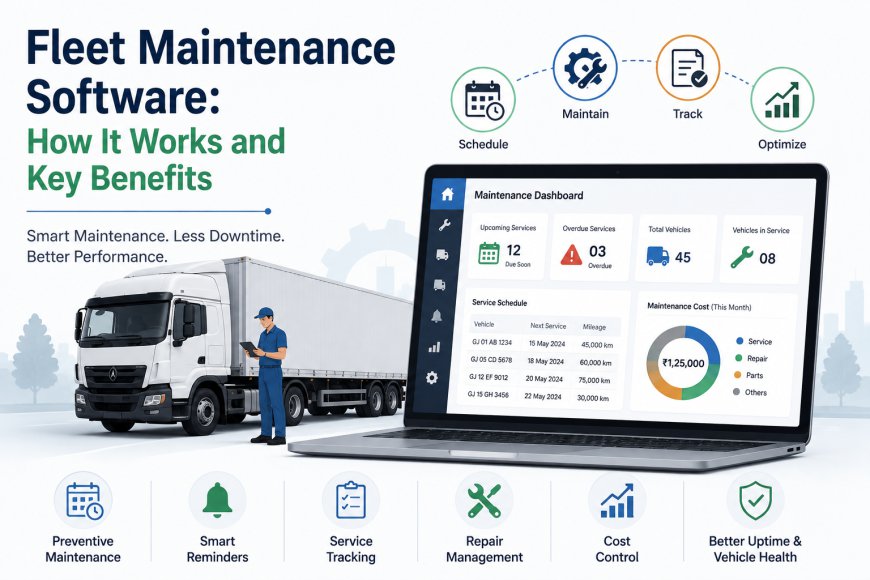
Fleet Maintenance Software provides a centralized platform to track vehicle health, schedule preventive maintenance, receive service reminders, manage repair records, and monitor maintenance expenses. This helps fleet managers keep vehicles in better condition and reduce unnecessary downtime.
What Is Fleet Maintenance Software?
Fleet management software India is a digital solution designed to help businesses manage the maintenance and servicing of their vehicles from a centralized system.
Instead of maintaining paper records or spreadsheets, fleet managers can digitally track:
-
Vehicle service schedules
-
Preventive maintenance
-
Repair history
-
Parts and service costs
-
Vehicle inspections
-
Maintenance reminders
-
Mileage and usage
-
Upcoming service requirements
The software gives fleet managers a clear view of the condition and maintenance status of every vehicle.
Why Fleet Maintenance Is Important
Regular maintenance is essential for keeping commercial vehicles safe, reliable, and operational. Delaying routine service can turn small mechanical issues into expensive repairs.
Poor maintenance management can result in:
-
Unexpected vehicle breakdowns
-
Higher repair costs
-
Increased vehicle downtime
-
Delayed trips and deliveries
-
Reduced vehicle lifespan
-
Safety concerns
-
Poor fleet utilization
A structured maintenance process helps businesses identify service requirements before they become major operational problems.
How Fleet Maintenance Software Works
Vehicle Information Management
The first step is creating a digital profile for every vehicle in the fleet. Managers can store information such as registration details, vehicle type, model, purchase date, mileage, and service history.
Having this information in one place makes it easier to understand each vehicle's maintenance requirements.
Preventive Maintenance Scheduling
Fleet Maintenance Software allows businesses to schedule maintenance based on mileage, time intervals, engine hours, or other predefined criteria.
For example, managers can set service schedules for oil changes, tire inspections, brake checks, engine servicing, and other routine maintenance activities.
Automated Maintenance Reminders
The software sends reminders when a vehicle is approaching its scheduled service date or mileage limit.
These automated alerts reduce the chances of missing important maintenance activities and help managers plan servicing without disrupting operations.
Repair and Service History
Every repair and maintenance activity can be recorded digitally. Managers can review previous repairs, replaced parts, service dates, and maintenance expenses for each vehicle.
This historical data helps identify recurring problems and supports better maintenance planning.
Inspection Management
Regular vehicle inspections help identify potential issues before vehicles are sent on trips.
Fleet maintenance systems can help managers record inspection results and track issues that require attention.
Maintenance Cost Tracking
The software can track expenses related to repairs, servicing, spare parts, labor, and other maintenance activities.
Managers can analyze these costs to identify vehicles that require unusually high maintenance spending.
Maintenance Reports and Analytics
Fleet managers can use reports and dashboards to monitor maintenance performance across the fleet.
Common insights include:
-
Upcoming maintenance
-
Overdue services
-
Maintenance costs
-
Vehicle downtime
-
Repair frequency
-
Service history
-
Vehicle performance
These insights help businesses make better maintenance and replacement decisions.
Key Features of Fleet Maintenance Software
Preventive Maintenance Management
Schedule regular servicing based on mileage, time, or vehicle usage. When integrated with Full Truckload Management Software, preventive maintenance helps reduce unexpected breakdowns, minimize downtime, and keep vehicles operational for scheduled trips.
Automated Service Alerts
Receive timely notifications for upcoming maintenance, inspections, repairs, and other vehicle-related requirements.
Vehicle Service History
Maintain a complete digital record of servicing, repairs, parts replacement, inspections, and maintenance activities for each vehicle.
Spare Parts Management
Track commonly used spare parts and replacement requirements. This helps businesses maintain availability and avoid delays caused by missing parts.
Repair Management
Record repair requests, maintenance tasks, service status, and completed work to keep the entire maintenance process organized.
Maintenance Cost Management
Track maintenance expenses by vehicle, repair type, service provider, or time period to understand fleet maintenance costs more clearly.
Vehicle Inspection Management
Record inspection results and identify vehicles that require repairs or additional checks before operating.
Reports and Analytics
Generate reports on maintenance schedules, costs, vehicle downtime, repair frequency, and overall maintenance performance.
Key Benefits of Fleet Maintenance Software
Reduces Unexpected Breakdowns
Preventive maintenance and automated service reminders help businesses identify maintenance requirements before they develop into serious mechanical problems.
Fewer unexpected breakdowns mean fewer disruptions to transportation operations.
Minimizes Vehicle Downtime
Better maintenance planning allows businesses to schedule servicing at suitable times instead of waiting for vehicles to fail unexpectedly.
This helps keep more vehicles available for daily operations.
Lowers Maintenance Costs
Regular maintenance can prevent expensive repairs caused by neglected vehicle issues.
Cost tracking also helps fleet managers identify vehicles or maintenance activities that are increasing overall expenses.
Extends Vehicle Lifespan
Vehicles that receive regular inspections and timely servicing are more likely to remain reliable for longer periods.
Effective maintenance management can help businesses maximize the value of their fleet investments.
Improves Fleet Productivity
Well-maintained vehicles are less likely to experience operational interruptions.
This allows businesses to complete more trips, improve vehicle availability, and maintain consistent transportation schedules.
Improves Maintenance Planning
Instead of reacting to breakdowns, fleet managers can plan maintenance activities in advance.
This makes it easier to allocate vehicles, drivers, technicians, spare parts, and service budgets.
Provides Better Operational Visibility
A centralized maintenance dashboard gives managers a clear overview of the condition and service status of every vehicle.
This visibility supports faster decisions and better fleet control.
Improves Vehicle Safety
Regular inspections and preventive maintenance help identify issues involving brakes, tires, lights, engines, and other critical vehicle components.
Maintaining vehicles properly supports safer transportation operations.
How Fleet Maintenance Software Supports Logistics Businesses
For logistics and transportation companies, vehicle availability directly affects delivery performance.
A breakdown during an active trip can cause:
-
Delivery delays
-
Customer complaints
-
Additional repair expenses
-
Replacement vehicle requirements
-
Driver downtime
-
Increased transportation costs
Fleet Maintenance Software helps businesses proactively manage vehicle health and reduce these operational risks.
When combined with fleet management software, GPS tracking, driver management, trip management, and route optimization, maintenance data can become part of a complete transportation management workflow.
How to Choose the Right Fleet Maintenance Software
Check Preventive Maintenance Features
Choose software that allows you to create maintenance schedules based on mileage, time, or vehicle usage.
Look for Automated Alerts
Service and inspection reminders should be automated so managers do not have to depend on manual follow-ups.
Evaluate Reporting Capabilities
Choose a solution that provides clear reports on maintenance costs, repairs, downtime, and vehicle performance.
Check Integration Options
The software should be able to connect with GPS tracking, fleet management, accounting, ERP, or other transportation systems where required.
Consider Scalability
Select software that can support your fleet as the number of vehicles, drivers, and locations increases.
Prioritize Ease of Use
Managers and maintenance teams should be able to update service records and access important information without complicated processes.
Why Choose LogiBrisk?
LogiBrisk provides fleet and transportation management solutions designed to help transport and logistics businesses manage their operations more efficiently.
Its fleet management capabilities can help businesses manage:
-
Vehicle Management
-
Fleet Maintenance
-
Real-Time GPS Tracking
-
Driver Management
-
Route Optimization
-
Trip & Dispatch Management
-
Fuel Management
-
Digital Proof of Delivery
-
GST & E-Way Bill Management
-
Billing & Accounting
-
Reports & Analytics
By connecting vehicle maintenance with broader fleet and transportation operations, businesses can improve visibility, reduce manual work, and keep their vehicles ready for daily operations.
Conclusion
Effective vehicle maintenance is essential for keeping transportation operations reliable and cost-efficient. Relying on spreadsheets or manual records can make it difficult to track service schedules, repair history, maintenance costs, and upcoming requirements.
Part Truckload Managеmеnt Softwarе provides a centralized way to automate maintenance scheduling, receive service reminders, record repairs, track costs, and monitor vehicle performance.
By moving from reactive repairs to preventive maintenance, transport and logistics businesses can reduce unexpected breakdowns, minimize downtime, control maintenance costs, and improve overall fleet productivity.