Global Container Homes Market Size, Trends, and Growth Forecast 2026-2033
The container homes industry is experiencing significant expansion due to rising demand for affordable, sustainable, and flexible housing solutions worldwide. Innovations in design and increasing urbanization are propelling market players to explore new market opportunities, shaping vibrant industry trends.
 coherentmi21
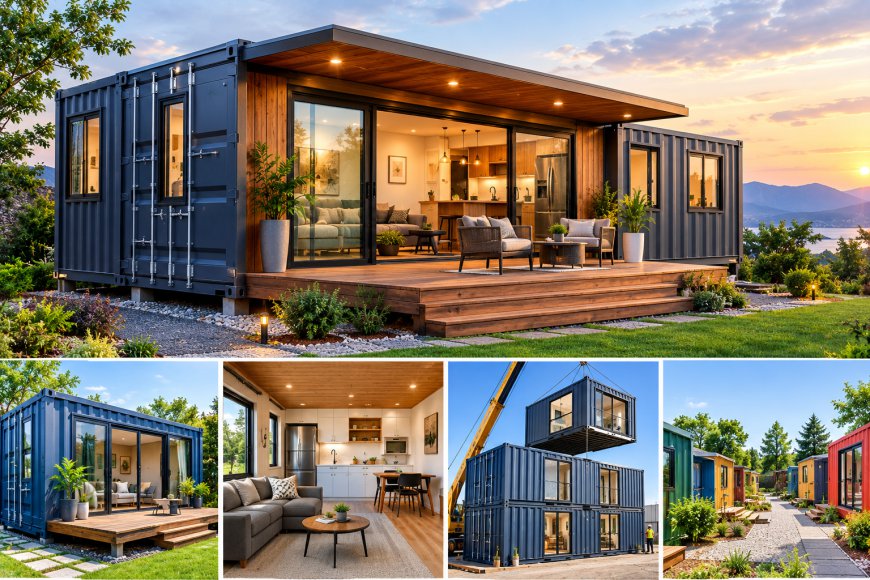
The container homes industry is experiencing significant expansion due to rising demand for affordable, sustainable, and flexible housing solutions worldwide. Innovations in design and increasing urbanization are propelling market players to explore new market opportunities, shaping vibrant industry trends.
Market Size and Overview
The container homes market is estimated to be valued at USD 70.61 Bn in 2025 and is expected to reach USD 112.64 Bn by 2032, growing at a compound annual growth rate (CAGR) of 6.9% from 2025 to 2032.
This Container Homes Market Forecast indicates strong growth supported by growing consumer inclination toward eco-friendly living spaces and modular construction. Increasing awareness of market dynamics, such as cost-efficiency and quick build times, is driving market revenue growth and expanding the industry scope.
Market Drivers
- Sustainability and Urbanization: A key market driver shaping the container homes market growth is the escalating need for sustainable housing in rapidly urbanizing regions. For instance, in 2024, governments in Europe and North America promoted green building initiatives incentivizing container home adoption, leading to a 15% rise in new constructions using shipping containers as modular units. This shift moves the market toward increased business growth and highlights lucrative market segments focused on eco-conscious consumers and governments.
PEST Analysis
- Political: Increased support from governments worldwide, including policy frameworks in the EU and North America to promote sustainable housing in 2024-2025, has encouraged investments and eased regulatory barriers for container home manufacturers.
- Economic: Despite global inflation trends in 2024, the container homes market benefited from cost-effective building materials and reduced labor expenses, positively impacting market revenue and fostering market growth strategies.
- Social: Rising environmental awareness and shifting consumer behavior favoring compact, affordable living spaces have been vital to fueling demand. The trend toward minimalism and remote working lifestyles in 2025 is expanding the market scope for container homes.
- Technological: Advances in modular construction technology and smart home integration in 2024 have enhanced customization options, driving market trends toward innovative, tech-enabled container living solutions.
Promotion and Marketing Initiatives
- A major marketing initiative was launched by portable home manufacturers in 2025, leveraging social media campaigns focused on sustainability and affordability. For example, Portable Space Ltd. ran a campaign that showcased real-life container home builds, resulting in a 20% increase in global inquiries and contracts. This initiative positively impacted brand visibility and market insights, expanding industry share in key target regions.
Key Players
- Portable Space Ltd.
- Royal Wolf (Australia)
- ELA Container GmbH
- SG Blocks, Inc.
- Supertech Industries
- Others contributing significantly include ConGlobal Industries, ModuHome, Leap Homes, Boxman Studios, and Rhino Cubed.
Recent strategies include:
- Portable Space Ltd., expanded manufacturing capacity in 2025, enhancing delivery times by 30%, boosting market share in North America.
- Royal Wolf launched eco-friendly container home models with solar integration in early 2024, capturing new market segments concerned with energy efficiency.
- SG Blocks, Inc. established strategic partnerships with urban developers in 2025, generating increased revenue through large-scale modular housing projects in emerging markets.
FAQs
1. Who are the dominant players in the Container Homes market?
The dominant market players include Portable Space Ltd., Royal Wolf (Australia), ELA Container GmbH, SG Blocks, Inc., and Supertech Industries. These companies are leading due to recent strategic expansions, product innovations, and partnerships.
2. What will be the size of the Container Homes market in the coming years?
The Container Homes market size is anticipated to grow from USD 70.61 billion in 2026 to USD 112.64 billion by 2033, at a CAGR of 6.9%, driven by sustainability trends and cost-effective construction demand.
3. Which end-user industry has the largest growth opportunity in the Container Homes market?
Residential housing, especially affordable and eco-friendly living solutions, presents the largest growth opportunity, with urban development projects and remote working trends accelerating demand.
4. How will market development trends evolve over the next five years?
Market trends will focus on increased adoption of smart technology integration, sustainable materials, and modular customization, resulting in enhanced market revenue and broadening market scope.
5. What is the nature of the competitive landscape and challenges in the Container Homes market?
The market is moderately consolidated with intense competition around cost leadership and innovation. Challenges include regulatory variations and market restraints involving supply chain disruptions, which players counter with diversification and strategic partnerships.
6. What go-to-market strategies are commonly adopted in the Container Homes market?
Common strategies include targeted digital marketing emphasizing sustainability benefits, collaborations with urban developers, and product launches focused on energy-efficient and modular designs, as seen in recent 2024-2025 campaigns.
‣ Get this Report in Japanese Language: コンテナ住宅市場
‣ Get this Report in Korean Language: 컨테이너홈시장
About Author:
Alice Mutum is a seasoned senior content editor at Coherent Market Insights, leveraging extensive expertise gained from her previous role as a content writer. With seven years in content development, Alice masterfully employs SEO best practices and cutting-edge digital marketing strategies to craft high-ranking, impactful content. As an editor, she meticulously ensures flawless grammar and punctuation, precise data accuracy, and perfect alignment with audience needs in every research report. Alice's dedication to excellence and her strategic approach to content make her an invaluable asset in the world of market insights.