Global Hummus Market Size, Trends, and Strategic Insights 2026-2033
 coherentmarket
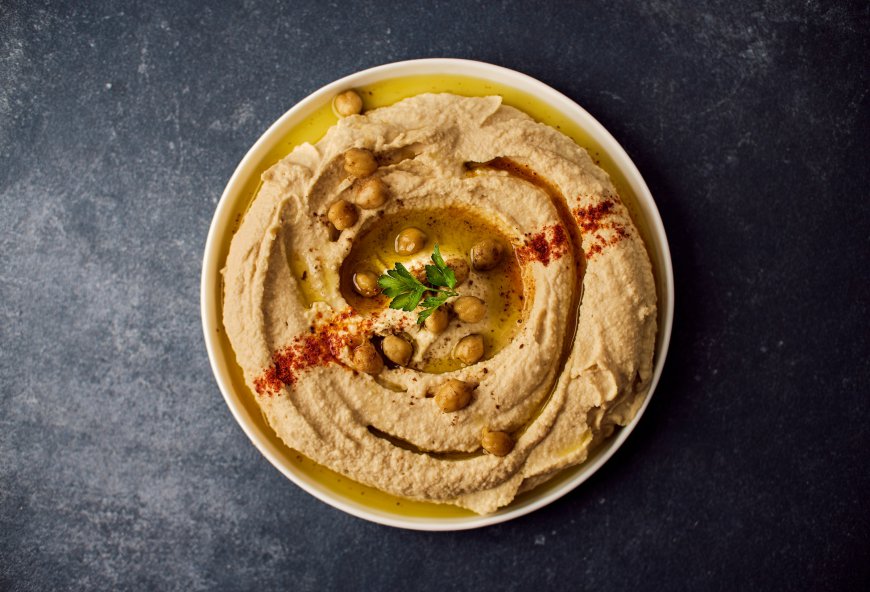
The global hummus market is undergoing significant transformation driven by increasing consumer demand for plant-based and healthy food options. With evolving market dynamics and rising awareness around nutritional benefits, this market continues to present promising business growth and strategic opportunities for market players.
Market Size and Overview
The Global Hummus Market size is estimated to be valued at USD 5.87 billion in 2026 and is expected to reach USD 12.11 billion by 2033, exhibiting a compound annual growth rate (CAGR) of 10% from 2026 to 2033.
Increasing adoption of vegan and gluten-free diets, coupled with expanding distribution channels, underpins this Hummus Market Growth. The market report highlights a robust market scope fueled by rising market revenue and consumer preference shifts, positioning hummus as a mainstream choice in ready-to-eat and snack segments. This market size underscores growing investor interest and evolving market trends that favor innovation in flavor profiles and packaging.
Current Events & Their Impact on the Market
I. Expansion of Plant-Based Food Regulations Globally
- A. Stringent Food Labeling Laws in Europe – Potential impact on Market: Enhances transparency and consumer trust, driving hummus market revenue through clear ingredient disclosures.
- B. FDA’s Updated Guidelines on Allergen Labeling in the U.S. – Potential impact on Market: Spurs reformulation efforts by market companies to reduce allergens, thus expanding market opportunities.
- C. Surge in Demand for Clean-Label Products in North America – Potential impact on Market: Accelerates innovation in organic and non-GMO hummus variants, directly influencing market trends.
II. Technological Advancements in Food Processing and Supply Chain
- A. Adoption of Blockchain for Supply Chain Transparency – Potential impact on Market: Helps mitigate supply chain disruptions and enhances product authenticity, improving industry share and consumer confidence.
- B. Automation in Packaging Facilities – Potential impact on Market: Lowers production costs, increases market revenue, and enables faster time-to-market for new flavors meeting evolving consumer preferences.
- C. Rise of Direct-to-Consumer (D2C) E-Commerce Platforms – Potential impact on Market: Facilitates wider product reach and personalized marketing strategies, catalyzing overall market growth and market forecast accuracy.
Impact of Geopolitical Situation on Supply Chain
The ongoing strained trade relations and tariffs between major chickpea-producing countries and key importers, particularly between India (a leading chickpea supplier) and Western nations, exemplify the geopolitical impact on hummus supply chains. For instance, in 2024, India’s export restrictions to regulate domestic prices created supply constraints for North American hummus companies, increasing raw material costs by 12% on average. This disruption pressured market players to diversify sourcing, leading to supply chain reconfigurations that have become a critical focus in market growth strategies and risk management frameworks within the hummus market.
SWOT Analysis
Strengths:
- Increasing consumer inclination toward plant-based and gluten-free products boosts hummus market share.
- Established distribution channels in supermarkets and health food stores enhance market revenue and penetration.
- Technological innovation in flavor diversification and extended shelf life improves competitive positioning.
Weaknesses:
- Dependence on chickpea supply makes the market vulnerable to agricultural and geopolitical fluctuations.
- Limited consumer awareness in emerging markets restricts immediate market growth despite favorable trends.
- Higher production costs relative to traditional snacks act as a market restraint in price-sensitive regions.
Opportunities:
- Expansion into untapped emerging markets presents significant market opportunities.
- Growing demand for protein-enriched and fortified hummus variants enhances product differentiation possibilities.
- Strategic partnerships leveraging blockchain and automation offer potential to streamline operations and improve profitability.
Threats:
- Regulatory uncertainties regarding labeling and food safety compliance may pose challenges to market players.
- Increased competition from alternative plant-based snacks can dilute market share.
- Supply chain disruptions due to geopolitical tensions risk delaying product availability and increasing costs.
Key Players
- Bakkavor Group Plc
- Cedars Mediterranean Foods, Inc.
- Haliburton International Foods
- Strauss Group
- Tribe Hummus
- Hope Foods LLC
- Fountain of Health
- Hummus Goodness
- Boars Head Brand
- Lantana Foods
- Sabra Dipping Company, LLC
- Blue Moose of Boulder
Key market companies engaged in strategic initiatives during 2024 and 2025 include Sabra Dipping Company, which invested in upgraded processing technology to boost production efficiency by 15%, and Tribe Hummus, which launched a technology partnership focusing on sustainable packaging, reducing carbon footprint and improving market trends related to eco-conscious products. Strauss Group expanded its product portfolio with protein-boosted hummus variants, capturing evolving market opportunities in functional foods.
FAQs
1. Who are the dominant players in the Hummus Market?
The dominant market players include Bakkavor Group Plc, Sabra Dipping Company, Strauss Group, Tribe Hummus, and Blue Moose of Boulder, all notable for driving product innovation and expanding market reach.
2. What will be the size of the Hummus Market in the coming years?
The hummus market is expected to grow from USD 5.87 billion in 2026 to USD 12.11 billion by 2033, reflecting a CAGR of 10%, driven by rising consumer health consciousness and plant-based diet trends.
3. Which end-user industry has the largest growth opportunity?
The packaged food and retail snack segments represent the largest growth opportunity due to increased adoption of convenient, healthy ready-to-eat options across developed and emerging markets.
4. How will market development trends evolve over the next five years?
Trends will evolve towards greater product diversification, clean-label offerings, and sustainability-focused innovations, supported by automation and blockchain technology in supply chains.
5. What is the nature of the competitive landscape and challenges in the Hummus Market?
The market is highly competitive with emphasis on innovation and supply chain resiliency. Key challenges include raw material price volatility and regulatory compliance impacting market companies’ agility.
6. What go-to-market strategies are commonly adopted in the Hummus Market?
Market players actively pursue product diversification, strategic partnerships for technology adoption, eco-friendly packaging initiatives, and expansion of e-commerce channels to maximize market revenue and growth.
➣ Get more insights on: Hummus Market
➣ Get this Report in Japanese Language: フムスマーケット
➣ Get this Report in Korean Language: 후무스마켓
➣ Read More Related Articles: How Consumer Preferences Are Shaping the Future of Protein Bars
About Author:
Alice Mutum is a seasoned senior content editor at Coherent Market Insights, leveraging extensive expertise gained from her previous role as a content writer. With seven years in content development, Alice masterfully employs SEO best practices and cutting-edge digital marketing strategies to craft high-ranking, impactful content. As an editor, she meticulously ensures flawless grammar and punctuation, precise data accuracy, and perfect alignment with audience needs in every research report. Alice's dedication to excellence and her strategic approach to content make her an invaluable asset in the world of market insights.