How Long to Wait to Exercise After PRP Injection
 Laser Cosmetic Center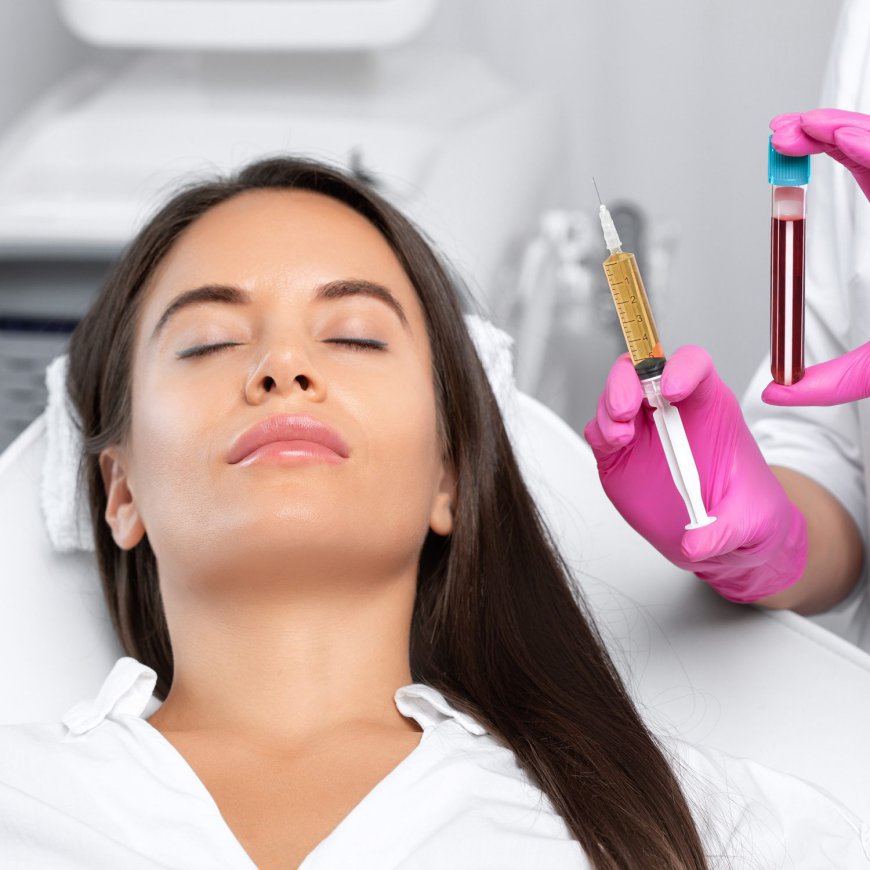
Platelet-rich plasma, commonly called PRP, is used in both cosmetic care and musculoskeletal medicine. It is prepared from a small sample of the patient's own blood, which is processed to concentrate platelets before the plasma is placed into a targeted area. Depending on the treatment goal, PRP may be used for skin rejuvenation, hair concerns, joint pain, or certain tendon and ligament injuries. Because the treatment is designed to support a natural healing response, what you do after the appointment can matter.
For most people, the safest general answer is to avoid strenuous exercise for at least 24 to 48 hours after a cosmetic PRP treatment. When PRP is injected into a joint, tendon, ligament, or muscle, the rest period may be longer. Some medical programs advise light daily activity only for the first 48 to 72 hours, followed by a gradual return based on symptoms and the provider's rehabilitation plan. This is why the instructions from the clinician who performed your procedure should always take priority.
People often assume that PRP injections require no recovery because the procedure is minimally invasive. In reality, mild redness, swelling, tenderness, or bruising can occur at the treated area. These temporary effects are usually part of the early response to treatment. A hard workout too soon may increase heat, blood flow, sweating, pressure, or movement around the injection site, which can make discomfort and swelling more noticeable.
Why a Short Exercise Break Is Helpful
PRP works differently from a treatment that simply numbs pain or temporarily relaxes a muscle. Platelets contain growth factors and other proteins involved in tissue repair. After PRP is injected, the treated area may develop a short inflammatory response as the body begins the healing process. Cleveland Clinic notes that swelling and pain can occur for a day or two after treatment. Giving the area a calm start may reduce avoidable irritation while you monitor how your body responds.
The First 24 Hours
On the day of treatment, plan for rest and light routine movement only. Normal walking around the home is usually reasonable unless your provider has given you a brace, boot, sling, or different restriction. Avoid running, cycling, weight training, hot yoga, high-intensity interval training, and exercises that place direct pressure on the treated area. For facial PRP, it is also sensible to avoid activities that cause heavy sweating or prolonged facial flushing during this early period.
Pay attention to hydration, meals, and comfort. PRP appointments involve a blood draw, so arriving well hydrated and eating as directed by the clinic may help reduce lightheadedness. After the procedure, do not automatically take ibuprofen, naproxen, aspirin, or another anti-inflammatory medicine unless your healthcare provider approves it. Some clinicians limit these medicines around PRP treatment because inflammation is part of the intended healing response. Never stop a prescribed medicine without medical guidance.
From 24 to 72 Hours
If swelling and tenderness are mild, you may be able to resume gentle activity after the first day. A relaxed walk, easy mobility work, or light stretching away from the injection site may be acceptable. However, exercise should not increase throbbing, swelling, bruising, or pain. The University of Texas Health Science Center at Houston recommends limiting activity to light daily tasks for the first 48 to 72 hours after musculoskeletal PRP, then returning to activity as tolerated with guidance from the treating physician.
The type of tissue treated makes a major difference. Facial or scalp PRP may require only a short break from vigorous exercise, while tendon and joint injections often need a more structured recovery plan. Washington University Orthopedics advises avoiding strenuous activity at the injection site for two weeks in some musculoskeletal cases, with rehabilitation beginning according to the treatment protocol. This does not mean every patient must wait two full weeks, but it shows why a single timeline cannot fit every PRP procedure.
A Safer Way to Return to Exercise
When you restart, begin below your normal intensity. Use shorter sessions, lighter resistance, and slower movements. For a lower-body injection, start with easy walking before returning to hills, running, jumping, or heavy squats. For an upper-body injection, avoid immediately returning to heavy presses, pull-ups, throwing, or repetitive gripping. For cosmetic facial PRP, choose a moderate workout first and stop if heat or exertion causes increased swelling or discomfort around the treated area.
If your PRP treatment was performed for skin rejuvenation, under-eye concerns, facial texture, or hair restoration, follow the specific aftercare plan provided by the clinic. Speaking with a qualified dermatologist in Kalispell can help you understand how the treated area, your skin sensitivity, the injection technique, and any combined procedure may affect recovery. Individualized advice is more useful than relying on a general online schedule, especially when you have an event, sports practice, or demanding workout planned soon after treatment.
Signs You Should Delay Your Workout
Postpone exercise and contact your provider if the treated area becomes increasingly red, hot, severely swollen, unusually painful, or starts draining fluid. Fever, numbness, weakness, or symptoms that continue to worsen also deserve prompt medical attention. Serious complications are uncommon, but any injection can carry risks such as infection, bleeding, tissue injury, or nerve irritation. It is better to ask early than to push through a symptom that feels different from ordinary soreness.
A useful rule is to judge your recovery by both time and symptoms. Waiting 48 hours does not automatically mean your body is ready for a hard workout. You should be able to complete ordinary daily movement without a meaningful increase in pain or swelling. When you do return, increase one variable at a time, such as duration, weight, speed, or impact. This makes it easier to notice what the treated area can tolerate.
Final Takeaway
So, how long should you wait to exercise after a PRP injection? For cosmetic PRP, many patients are advised to avoid strenuous activity for about 24 to 48 hours. For PRP placed in a joint, tendon, ligament, or muscle, light activity for the first 48 to 72 hours and a slower, provider-guided return may be more appropriate. Some cases require restrictions lasting one to two weeks. The best answer depends on the treatment area, the reason for PRP, your symptoms, and the instructions you received. A brief pause now can help you return to exercise with more confidence and less avoidable irritation.