How to Protect Water Treatment Plants from Seasonal Water Challenges
 mgprojects
Water quality can change significantly with seasonal conditions, affecting the performance and reliability of treatment systems. Changes in source water characteristics, increased impurities, fluctuating water demand, and higher wastewater generation can put additional pressure on treatment equipment. This blog explains how to prepare your facility for these challenges and maintain consistent performance throughout the year. You will learn practical steps to improve system efficiency, reduce unexpected maintenance issues, protect essential equipment, and ensure a dependable supply of treated water for residential, commercial, and industrial needs.
Why Seasonal Changes Affect Water Quality
The quality of incoming water is not always consistent. Natural changes in groundwater and surface water sources can influence parameters such as turbidity, hardness, dissolved minerals, and organic content. These variations can affect treatment efficiency if the system is not monitored and maintained properly.
For facilities that depend on continuous water supply, even small changes in water quality can impact daily operations. Proper planning and regular maintenance help identify potential issues early and allow operators to take corrective action before they affect performance.
Identify Common Water Treatment Challenges
One of the most common issues during changing water conditions is the increase in suspended particles and contaminants. When the level of impurities rises, filtration systems need to work harder to maintain the required water quality. Without proper inspection and maintenance, filters may lose efficiency and increase the overall operating load.
Hardness and mineral buildup can also create problems in pipelines, storage tanks, and treatment equipment. Over time, scaling can reduce efficiency, affect water flow, and increase maintenance requirements. A suitable treatment approach helps control these issues and supports better system performance.
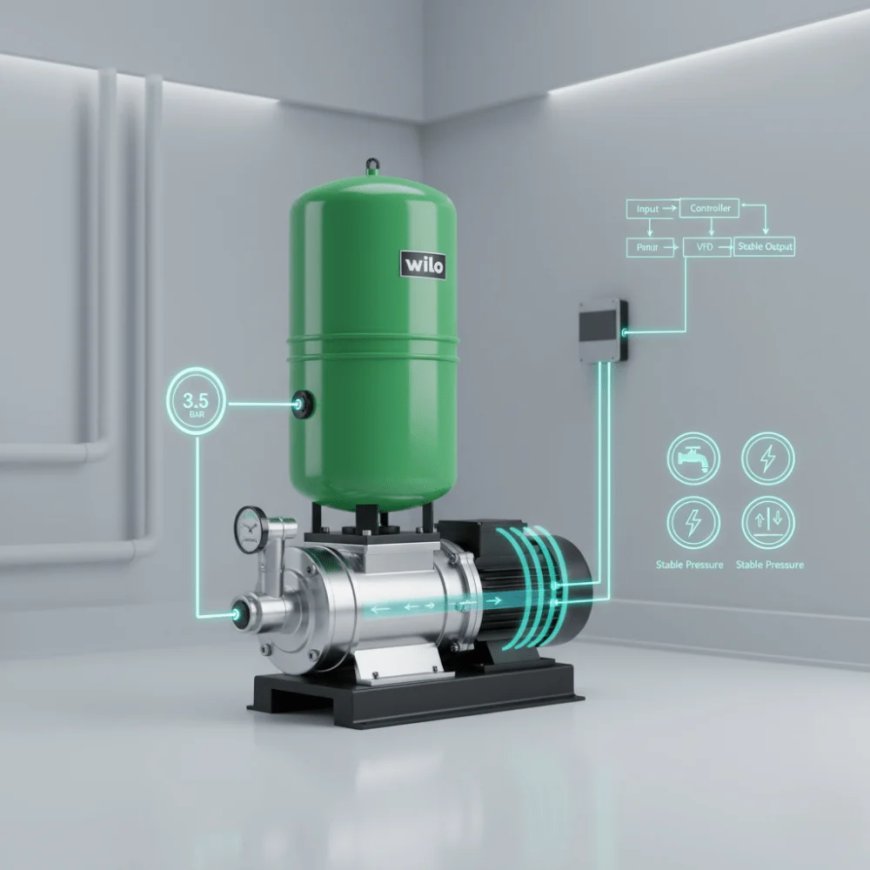
Another important factor is maintaining proper pressure and water movement across the facility. A reliable pumping arrangement ensures smooth operation between different treatment stages and helps maintain uninterrupted water availability.
Maintain Filtration Performance for Better Results
Filtration plays an important role in protecting downstream treatment processes. When source water carries more sediments or organic impurities, filtration equipment must remove these contaminants effectively before further treatment.
Regular inspection of filter media, cleaning schedules, and pressure levels helps maintain consistent performance. A well-maintained filtration system reduces stress on other components and supports better water quality.
Facilities should also review their treatment requirements periodically because water conditions and consumption patterns may change over time. Adjusting the treatment process when needed improves efficiency and prevents unnecessary operating costs.
Protect RO Systems with Proper Care
Reverse osmosis systems require careful attention because their performance depends heavily on the quality of incoming water. When dissolved solids, hardness, or unwanted contaminants increase, membrane performance can be affected.
A properly maintained RO System uses effective pre-treatment and regular monitoring to maintain stable output quality. Checking operating pressure, water recovery levels, and membrane condition helps detect early signs of performance issues.
Routine servicing also helps reduce cleaning frequency and extends the working life of important components. By maintaining the system correctly, businesses can achieve reliable water quality while improving long-term operational efficiency.
Ensure Reliable Water Flow and Equipment Performance
Consistent water movement is essential for every treatment facility. Pumps, pipelines, and control systems must work together to maintain proper flow throughout the process.
Regular inspection of pumping equipment helps identify early signs of problems such as reduced flow, pressure changes, or unusual operating conditions. A correctly selected Submersible Pump can support reliable water transfer from source points to treatment or storage areas while helping maintain stable supply.
Automation and monitoring systems can further improve reliability by reducing manual adjustments and helping operators respond quickly to changing requirements.
Manage Wastewater Treatment Effectively
Wastewater management becomes increasingly important for facilities that generate high volumes of used water. Proper treatment allows wastewater to be processed safely and reused for applications such as landscaping, flushing, and other non-potable requirements.
Well-maintained Sewage Treatment Plants help facilities manage wastewater efficiently while supporting environmental responsibilities. Regular monitoring of treatment performance, aeration systems, and operating conditions ensures that the plant continues to function effectively.
Facilities using wastewater treatment solutions should also review capacity requirements as usage patterns change. Proper planning helps maintain performance and prevents unnecessary strain on the treatment process.
Improve Long-Term Reliability Through Regular Monitoring
Preventive maintenance is one of the most effective ways to avoid unexpected equipment failures. Monitoring important parameters such as water quality, pressure levels, flow rates, and equipment performance helps operators identify problems before they become major concerns.
A planned maintenance schedule should include equipment inspections, cleaning procedures, and performance reviews. These activities reduce downtime, improve efficiency, and increase the service life of treatment components.
Technology-based monitoring solutions can also provide better visibility into plant operations. Real-time information allows faster decision-making and helps maintain consistent performance throughout different operating conditions.
Choose the Right Treatment Approach for Changing Needs
Every facility has unique water requirements based on its location, usage, and source quality. A solution that works for one application may not provide the same results for another. Understanding water characteristics and operational requirements is essential when planning a treatment strategy.
A complete approach may include filtration, purification, pumping solutions, and wastewater management systems working together. Proper system design ensures better efficiency, easier maintenance, and dependable results.
For facilities managing wastewater generation, Sewage Treatment Plants provide an effective way to treat and reuse water while reducing environmental impact. Similarly, properly designed Water Treatment Plants help maintain consistent water quality by addressing changing source conditions.
Maintaining Reliable Treatment Performance Throughout the Year
Seasonal water challenges can affect treatment performance, but proper preparation can help facilities maintain reliable operations. Regular maintenance, effective filtration, equipment monitoring, and timely improvements play an important role in protecting treatment systems.
By focusing on preventive care and selecting suitable solutions, businesses and institutions can reduce operating issues, improve efficiency, and maintain a consistent water supply. Well-managed Water Treatment Plants are better prepared to handle changing conditions while delivering safe and reliable water quality throughout the year.