How to Tell If a Sp5der Hoodie Is Real or Fake
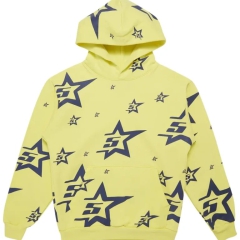 sp5der768
Buying a Sp5der Hoodie is a great way to add bold streetwear style to your wardrobe, but its popularity has also made it a target for counterfeit sellers. Some replicas can look surprisingly convincing, especially in low-quality online photos. Instead of relying on one detail, the best approach is to examine the hoodie from several angles, including its tags, graphics, stitching, fabric, and overall construction.
1. Start With the Neck Tag
The neck tag is one of the first details worth checking. Look closely at the lettering, spacing, stitching, and overall quality.
On a suspicious Sp5der hoodie, the tag may appear poorly printed, incorrectly positioned, blurry, or noticeably different from verified examples of the same release.
However, tag designs can vary between different models, so always compare the tag with an authentic example from the same collection.
2. Inspect the Main Graphic
The graphic is often the most recognizable part of a Sp5der Hoodie. Check its shape, placement, color, and overall sharpness.
Authentic-looking graphics should have clean edges and consistent details. A fake may have blurry printing, incorrect proportions, unusual colors, or poor placement.
Pay attention to small differences rather than judging the design from a distance.
3. Check the Lettering
Small text can sometimes expose inconsistencies.
Compare the font style, spacing, thickness, and positioning with verified photographs. Counterfeit manufacturers may reproduce the overall design while getting smaller lettering slightly wrong.
Zooming in on high-resolution images can make these differences much easier to see.
4. Examine the Internal Tags
Look at the size tag and care label inside the hoodie.
Check the spelling, font, alignment, stitching, and print quality. A crooked tag, poor printing, unusual formatting, or obvious spelling mistakes can be warning signs.
Still, don't use a single tag difference as final proof because details can vary between different releases.
5. Look Closely at the Stitching
Authenticity isn't just about appearance. Construction quality is also worth examining.
Check the stitching around the:
-
Hood
-
Shoulders
-
Cuffs
-
Waistband
-
Pocket
-
Sleeves
-
Interior seams
Uneven stitching, excessive loose threads, crooked seams, or poor finishing may indicate a lower-quality replica.
6. Examine the Pocket
The front pocket can provide another useful clue.
Look carefully at how the graphic and stitching interact with the pocket. On a suspicious Sp5der Hoodie, the graphic may look poorly aligned or the stitching may appear inconsistent.
Compare this area with photographs of a verified version of the exact same hoodie.
7. Feel the Material
Fabric quality can provide additional information.
If the hoodie feels dramatically thinner, rougher, or cheaper than a verified example of the same model, that may be worth investigating.
However, don't assume that a specific weight or softness automatically proves authenticity. Different Sp5der releases can have different materials and construction.
8. Inspect Rhinestone Details
Some Sp5der designs include rhinestones or other decorative elements.
Look for consistent placement and overall finishing. Poorly aligned stones, uneven decoration, or noticeably low-quality application can be warning signs.
Compare the rhinestone pattern against verified images rather than judging it based on appearance alone.
9. Look at the Hood and Cuffs
The hood and cuffs are easy to overlook when checking authenticity.
Examine the stitching, thickness, shape, and overall construction. A replica may copy the exterior graphic reasonably well while using noticeably different construction in less visible areas.
These details become particularly useful when comparing the hoodie directly with an authenticated example.
10. Consider the Price
An unusually low price should always make you cautious.
If someone is selling a supposedly authentic Sp5der hoodie for dramatically less than comparable examples, investigate before buying.
A low price doesn't automatically mean the product is fake. It could be used, damaged, discounted, or part of a legitimate sale. But when an extremely low price is combined with suspicious tags or poor construction, the risk becomes much higher.
11. Research the Seller
The seller is an important part of authentication.
Look at their history, reviews, product photographs, return policy, and overall reputation. Be cautious with sellers who refuse to provide detailed photos or pressure you to make an immediate purchase.
For secondhand clothing, buyer protection can also be valuable because it gives you additional options if the item turns out to be misrepresented.
12. Be Careful With Product Photos
Online photos can make authentication difficult.
Sellers may use heavily edited images, low-resolution photographs, or even photographs taken from other websites. Ask for clear pictures of the actual item.
Useful photos include the front, back, neck tag, wash tag, pocket, graphics, stitching, and any rhinestone details.
If a seller refuses to provide basic photographs of the actual hoodie, consider that a warning sign.
13. Compare the Exact Colorway
One of the most important tips is to compare the suspected hoodie with the correct version.
Don't compare a black hoodie with photographs of a completely different colorway and assume every detail should be identical.
Different collections and releases can have differences in:
-
Tags
-
Graphics
-
Colors
-
Materials
-
Stitching
-
Decorative details
The closer the comparison, the more useful it becomes.
14. Check the Overall Shape
The silhouette can also provide clues.
Look at the hood shape, sleeve proportions, body length, cuffs, and overall fit. If a supposed example looks dramatically different from verified photographs of the same model, investigate further.
Remember that sizing and washing can affect the appearance of used clothing, so shape alone should never be considered conclusive.
15. Don't Depend on One “Authentication Trick”
There is no single detail that should automatically determine whether every Sp5der Hoodie is authentic.
Counterfeit products can sometimes reproduce individual tags, graphics, or labels convincingly.
Instead, use multiple indicators together. Check the tags, graphic quality, stitching, materials, pocket construction, seller information, and price.
The more independent details that match verified examples, the stronger your confidence becomes.
Quick Authentication Checklist
Before purchasing a Sp5der Hoodie, check:
-
Neck tag
-
Size tag
-
Wash label
-
Main graphic
-
Small lettering
-
Stitching
-
Pocket construction
-
Fabric quality
-
Rhinestone placement
-
Hoodie shape
-
Seller reputation
-
Price
-
Actual product photographs
If several of these details appear suspicious, think carefully before completing the purchase.
What to Do When You're Unsure
Sometimes photographs aren't enough to make a confident decision. If you're still unsure, ask the seller for additional close-up pictures.
Request photographs of the tags, stitching, graphics, and other details from multiple angles. Compare these images with reliable photographs of an authenticated example of the same release.
For expensive purchases, professional authentication or a marketplace with an established authentication process can provide additional confidence.
Final Thoughts
Learning how to identify a genuine Sp5der Hoodie requires careful observation. Don't focus only on the logo or neck tag. Examine the complete garment, including its labels, graphics, stitching, fabric, pocket construction, rhinestones, shape, and overall finishing.
The most effective strategy is to compare the item with a verified example of the exact same model and colorway. Also consider the seller and price before making a decision.
If several details look inconsistent at the same time, it's better to pause and investigate than to risk buying a counterfeit. A careful approach can help you make a more informed decision and avoid disappointing purchases.