Hurricane Protection Fabric: A Smart Shield for Your Home
Learn how hurricane protection fabric provides durable, lightweight coverage for windows, doors, patios, and other vulnerable home openings.
 West Shore Construction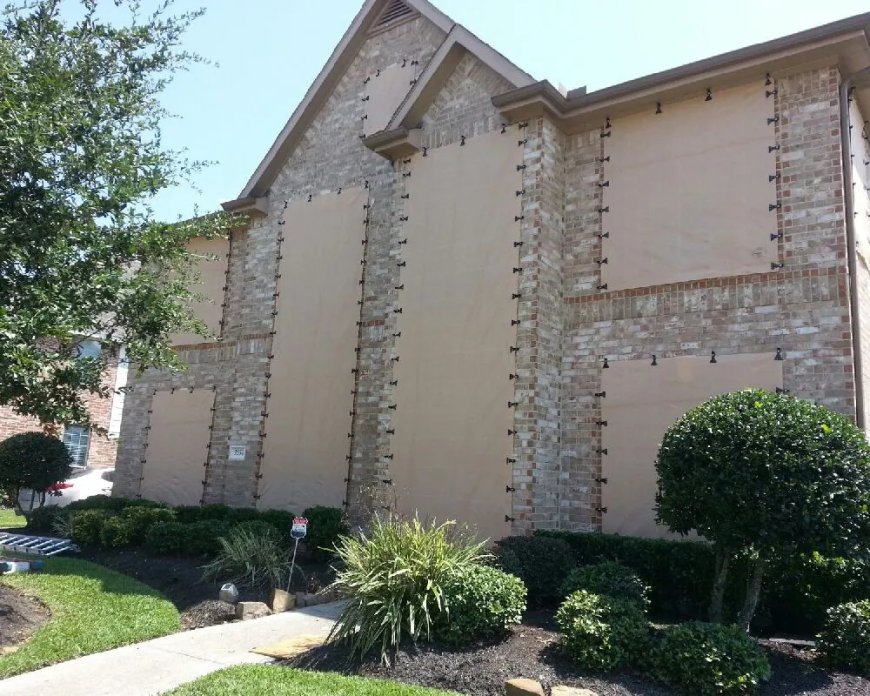
Living in a hurricane-prone area means preparing before dark clouds appear on the forecast. Strong winds can turn branches, roof tiles, outdoor furniture, and other loose objects into dangerous debris. Windows, doors, patios, and large openings are often the most vulnerable parts of a property, so protecting them should be a central part of any storm plan.
Many homeowners rely on plywood or heavy metal panels, but these options can be difficult to lift, install, and store. They may also take valuable time to prepare when a storm is approaching. A modern fabric system offers another way to create a strong barrier without adding the same weight or storage burden.
This is where hurricane protection fabric becomes a practical choice for many Florida homes and businesses. It is a high-strength protective material designed to cover windows, doors, lanais, garages, and other openings. When correctly measured, anchored, and installed, the fabric helps absorb and deflect the force of wind-borne debris before it reaches the glass or opening behind it. These systems are lightweight, reusable, compact to store, and suitable for a wide range of residential and commercial applications.
What Is Hurricane Fabric?
Hurricane fabric is not the same as an ordinary tarp or shade cloth. It is an engineered storm protection product made from strong synthetic fibers. The material is designed to resist tearing and manage impact energy. A complete system also includes anchors, fasteners, straps, buckles, or other attachment hardware selected for the opening and the building surface.
During installation, the fabric is secured over the outside of a window, door, or open area. It creates a flexible protective layer with space between the fabric and the surface being protected. If debris strikes the material, the fabric can flex and spread the force across a wider area. This helps reduce the chance of direct impact damage to glass and other vulnerable components.
FEMA notes that when an unprotected glazed opening breaks, the damage can create a large opening in the building envelope. That can lead to higher internal wind pressure and significant water intrusion. Protecting openings is therefore about more than preventing broken glass. It also helps the building remain closed against wind and rain for as long as possible during severe weather.
Why Homeowners Consider Fabric Protection
One of the main reasons people choose hurricane fabric is convenience. Traditional panels can be bulky, sharp, and heavy. They often require a large storage area and more than one person to handle safely. Fabric sections are usually much lighter, so deployment and removal can be more manageable.
Storage is another advantage. When the storm passes, the fabric can be removed, dried if needed, folded or rolled, and stored in a compact area. This is especially useful for homeowners who do not have a large garage, shed, or dedicated panel rack.
Fabric can also work well for openings that are difficult to cover with standard rigid panels. Wide patios, lanais, porches, carports, and large doors may need a customized solution. Windows, doors, garages, patios, porches, and other large openings are among the common applications for hurricane fabric systems.
Key Benefits of Hurricane Protection Fabric
Lightweight and Easier to Handle
The reduced weight makes storm preparation less physically demanding. Homeowners may be able to install fabric sections faster than heavy metal panels, especially when each section is clearly labeled for its matching opening.
This can be particularly helpful for older homeowners or anyone who may struggle to lift and position large metal panels. Although safe installation practices are still important, lightweight fabric can make the preparation process more manageable.
Compact Storage
Rigid panels can occupy a large part of a garage or storage room. Fabric systems take up much less space when removed, which makes year-round storage easier.
The panels can usually be folded or rolled and placed in a labeled storage bag or container. Keeping all sections and hardware together also makes them easier to locate when a hurricane watch is announced.
Protection for Different Openings
A fabric system can be custom measured for standard windows as well as larger or unusual openings. This flexibility allows one type of protection to be used across several areas of a property.
It may be suitable for sliding glass doors, entry doors, garage openings, patios, balconies, lanais, porches, and commercial storefront areas. A professional assessment can determine the correct configuration for each opening.
Minimal Visual Impact
The attachment points remain in place, but the fabric itself is removed when it is not needed. This allows the home to keep its normal appearance during most of the year.
Unlike permanent shutters that may change the exterior look of a property, removable fabric stays out of sight until storm preparation begins.
Reusable Storm Preparation
A properly maintained system can be used again for future storms. The fabric and hardware should be inspected after each use, especially if they were exposed to debris impact or heavy weather.
Reusable protection can also reduce the need to purchase new plywood every season. However, any panel with serious cuts, damaged seams, stretched connections, or impact damage should be evaluated before it is used again.
A Practical Manual Option
Some property owners want reliable storm protection but do not need a motorized system. Fabric can offer a middle ground between temporary plywood and automated shutters or screens.
Manual fabric systems may have a lower initial cost than many motorized options while still providing tested protection when they are properly selected and installed.
Fabric Compared With Other Hurricane Protection Options
Every protection system has strengths and limitations. Plywood may seem inexpensive at first, but it must be cut correctly, stored, installed, and replaced when it becomes damaged or warped. It can also be difficult to mount safely under time pressure.
Metal storm panels provide rigid protection, but they can be heavy and may require more storage space. Installation can also become challenging when panels are large or when the property has many windows.
Rolling shutters offer quick deployment and added security, but the initial investment is usually higher. Motorized hurricane screens are convenient for wide patios and large openings, but they involve electrical components and professional system design.
Fabric is often selected by homeowners who value lighter handling, compact storage, and the ability to cover both small and large openings. The best choice depends on the structure, opening size, local wind requirements, budget, physical ability, and preferred deployment process.
Why Product Approval Matters
Not every fabric product is suitable for hurricane protection. Homeowners should look for a tested and approved system that is appropriate for the property location and opening type.
In Florida's High-Velocity Hurricane Zone, exterior openings must generally be impact resistant or protected by approved shutters or screens. Florida code resources also emphasize product approval for building components that are intended to protect the structure from wind and debris.
Ask the installer to explain which approvals apply to the proposed system. Product documents should identify the approved dimensions, attachment methods, maximum spans, fastener requirements, and suitable building surfaces.
Choosing an approved product is only the first step. It must also be installed according to its tested design.
Why Proper Installation Is Essential
The fabric alone is only one part of the system. Correct anchor placement, fastener spacing, edge distance, surface condition, and panel tension can all affect performance.
An anchor installed into weak material or placed in the wrong location may not hold as intended. Missing fasteners can also place additional stress on the remaining connection points.
Professional installation can be valuable for masonry walls, large openings, elevated areas, commercial properties, or homes with several construction materials. Each opening should be measured individually, and the attachment system should match the wall or frame supporting it.
West Shore Construction offers custom-measured hurricane fabric systems with code-compliant anchoring based on applicable Florida Building Code requirements. Both professionally installed systems and custom-cut do-it-yourself kits are available for different property needs.
How to Prepare the Fabric Before a Storm
Good preparation should begin before hurricane season. Perform a practice installation on a clear day instead of waiting until a storm warning has been issued.
Confirm that every fabric panel matches the correct opening. Check that all bolts, clips, straps, buckles, and other required parts are included. Keep the necessary tools in the same storage area.
Label each section clearly. Simple labels such as "front bedroom," "sliding door," or "garage side window" can prevent confusion. A basic installation map may also help family members understand where each panel belongs.
Follow the installation instructions carefully. Do not skip anchors, leave connections loose, or change the attachment pattern. Fastener placement is part of the system's engineered design.
Storm protection should be installed before conditions become dangerous. Homeowners should never attempt to cover upper-level windows or work from ladders once strong winds have started.
Maintenance and Storage Tips
Before every hurricane season, inspect the fabric for cuts, fraying, worn seams, stretched areas, or damaged connection points. Permanent anchors should also be checked for looseness, corrosion, paint buildup, or trapped debris.
After a storm, wait until local conditions are safe before removing the panels. Clean dirt and salt residue according to the manufacturer's instructions. Allow the fabric to dry fully before folding or rolling it for storage.
Storing wet material can lead to odor, staining, or unwanted moisture inside the storage container. Keep the system in a clean, dry, and easily accessible location.
Inspect every panel after use. Replace damaged hardware and ask a qualified installer to examine any section that received a serious debris strike.
Questions to Ask Before Buying
Before selecting a hurricane fabric system, ask whether the product has the required approvals for your location. Confirm which windows, doors, and open areas are included in the proposal.
Ask what hardware will be installed and whether the system can be handled by one person. It is also helpful to know how long complete deployment may take.
Other useful questions include:
- How will each fabric section be labeled?
- What maintenance does the system require?
- Is professional installation included?
- Are permits required for the project?
- What product and installation warranties apply?
- Will installation documents be provided?
- Can damaged fabric sections be repaired or replaced individually?
Insurance savings may be possible in some situations, but discounts are not automatic. Eligibility can depend on the product approval, installation method, inspection results, documentation, and insurer requirements. Homeowners should confirm these details directly with their insurance provider.
A Smart Step Toward Better Storm Readiness
No single product can eliminate every hurricane risk. A complete preparation plan should also include roof and door maintenance, drainage checks, secured outdoor items, emergency supplies, evacuation planning, and attention to official weather instructions.
Still, protecting windows, doors, and large openings is an important part of reducing avoidable damage. It can help prevent wind-borne debris from breaking glass and creating an opening for wind and rain.
For homeowners who want a solution that is strong, lightweight, reusable, and easier to store than rigid panels, hurricane protection fabric deserves serious consideration. A properly selected and installed system can simplify storm preparation while helping protect vulnerable areas of the property.
West Shore Construction serves homeowners and businesses in Clearwater, St. Petersburg, Tampa Bay, Sarasota, Bradenton, Pinellas County, Hillsborough County, and surrounding West Central Florida communities. A professional property evaluation can help determine which openings need protection and whether fabric, shutters, motorized screens, or another system is the right fit.