Luxury Custom Homes: Design, Planning and Building Guide
 Rocky Mountain Builders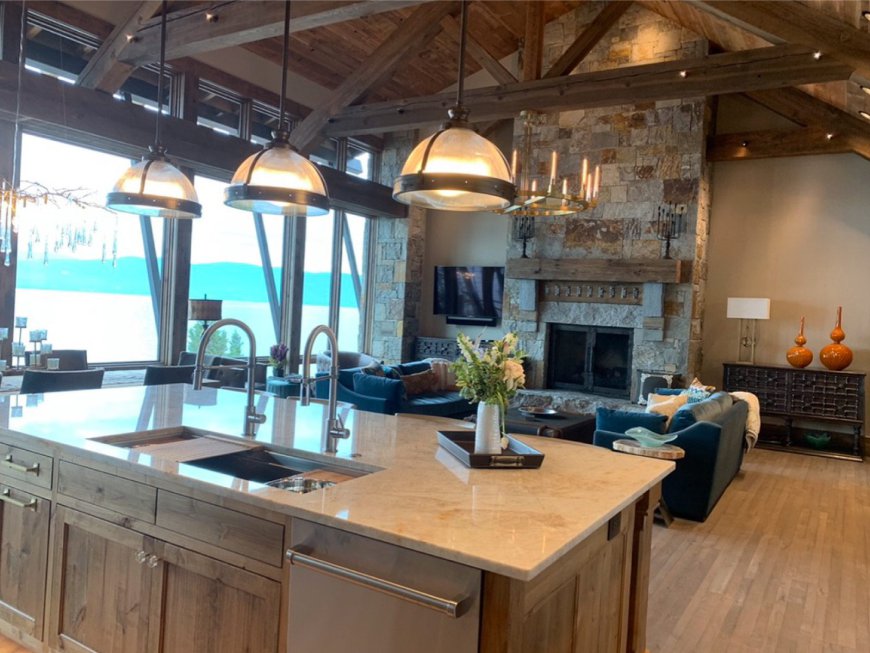
Building a home from the ground up gives you the freedom to create a space that truly fits your lifestyle. Instead of adjusting your needs to a standard floor plan, you can plan each room, finish and feature around the way you live. A custom home can support your daily routine, provide long-term comfort and reflect your personal taste in a way that a ready-made property often cannot.
The process involves more than selecting attractive materials or choosing a large floor plan. A successful custom build requires careful planning, realistic budgeting, experienced professionals and clear communication from the first meeting to the final walkthrough. Understanding these steps can help homeowners make better decisions and avoid expensive changes during construction.
For many homeowners, luxury custom homes are not simply about size or expensive finishes. They are about thoughtful design, quality workmanship and details that make the property more comfortable, practical and personal. True luxury can be found in natural light, efficient room layouts, durable materials, quiet spaces, beautiful views and features that continue to add value for many years.
Start With Your Lifestyle and Priorities
The best custom homes begin with a clear understanding of how the owners plan to use the space. Before looking at finishes or design styles, think about your daily habits. Consider how many people will live in the home, whether you regularly host guests, whether you work from home and how much storage you need.
A family with young children may want connected living areas, durable flooring and a large mudroom. Someone who enjoys entertaining may prefer an open kitchen, an outdoor dining area and flexible guest rooms. Homeowners planning to stay in the property for many years may also consider wider hallways, a main-floor bedroom and an accessible bathroom.
Creating a written list of priorities is helpful. Separate the items into essential features, preferred features and optional upgrades. This keeps the project focused and makes budget decisions easier later.
Choose a Design That Fits the Site
A custom home should respond to the land rather than being placed on it without careful thought. The slope, views, sunlight, trees, wind direction and access points can all influence the design.
For example, large windows can be positioned to capture mountain, lake or woodland views. Outdoor living spaces can be placed where they receive comfortable sunlight and protection from strong winds. On a sloped property, the lower level may open directly to the landscape, creating useful living space without making the home feel overly tall.
Site conditions also affect construction costs. Excavation, drainage, utility connections, retaining walls and access for equipment should be reviewed early. A professional builder can help identify these issues before the final plans are completed.
Plan a Realistic Budget
Budget planning is one of the most important parts of building a custom home. The total cost includes much more than the structure itself. Land preparation, permits, architectural services, engineering, landscaping, appliances, lighting, window treatments and final furnishings may all need to be considered.
It is wise to include a contingency amount for unexpected conditions or design changes. Even with detailed planning, homeowners may decide to upgrade materials or adjust certain features during construction. A reserve provides flexibility without placing unnecessary pressure on the project.
Be open with your builder about your target budget. A clear financial range allows the design and construction team to recommend suitable materials, systems and features from the beginning.
Focus on Quality Materials and Craftsmanship
Luxury is often felt through the quality of materials and the care used to install them. Natural stone, custom timberwork, reclaimed wood, high-quality cabinetry and well-made doors can give a home warmth and character. Modern materials such as large glass panels, metal accents and clean-lined finishes can create a more contemporary appearance.
The best material is not always the most expensive one. It should suit the home's location, design and maintenance needs. Exterior products must handle the local climate, while interior surfaces should be selected according to how heavily each space will be used.
Craftsmanship is equally important. Precise installation, clean transitions and properly finished details can make even simple materials look refined. Poor workmanship can reduce the effect of premium products, so the experience and standards of the construction team matter greatly.
Create a Functional Floor Plan
A beautiful home should also be easy to live in. A functional floor plan reduces wasted space and creates natural movement between rooms. Kitchens should connect well with dining and living areas. Bedrooms should provide privacy. Laundry rooms, pantries and storage areas should be placed where they are convenient.
Think about furniture placement before finalizing room sizes, window locations and electrical outlets. A room may look spacious on a plan but feel difficult to furnish if doors and windows occupy every wall.
Transitions between indoor and outdoor areas also deserve attention. Covered patios, large sliding doors, outdoor kitchens and fireplaces can extend the usable living space and create a stronger connection with the surrounding landscape.
Include Energy-Efficient Features
Energy efficiency can improve comfort and reduce long-term operating costs. Proper insulation, high-performance windows, efficient heating and cooling systems and well-planned ventilation all contribute to a healthier and more comfortable home.
The orientation of the house can also make a difference. Carefully positioned windows may provide natural light while reducing unwanted heat. Roof overhangs, shading and landscaping can help manage seasonal sun exposure.
Homeowners may also consider smart thermostats, zoned heating, solar-ready electrical systems, efficient appliances and water-saving fixtures. These features are most effective when planned early rather than added after construction has started.
Use Technology With Purpose
Smart-home technology can make daily life more convenient, but it should be selected according to actual needs. Useful options may include automated lighting, security cameras, smart locks, climate control, leak detection and whole-home audio.
The wiring and network infrastructure should be planned before walls are closed. Even if every feature is not installed immediately, preparing the home for future upgrades can save time and money.
Technology should remain simple to operate. A reliable system that the household uses every day is more valuable than a complicated setup that becomes frustrating or outdated.
Work With an Experienced Custom Home Builder
The builder plays a central role in turning the design into a finished home. Look for a company with relevant experience, organized project management and a clear construction process. Review previous work, ask for references and discuss how communication, scheduling and budget updates will be handled.
A dependable builder should explain decisions in clear language and provide realistic expectations. You should feel comfortable asking questions about materials, timelines, subcontractors and changes.
Regular updates help everyone stay aligned. Written approvals for selections and changes also reduce confusion and create a clear record throughout the project.
Avoid Common Custom-Building Mistakes
One common mistake is starting construction before important decisions are complete. Late selections can delay the schedule and lead to rushed choices. Finalize major items such as windows, cabinetry, plumbing fixtures, flooring and appliances as early as possible.
Another mistake is focusing heavily on visible finishes while overlooking structural quality, insulation, drainage and mechanical systems. These hidden parts of the home affect comfort, durability and maintenance.
Homeowners should also avoid making frequent changes once construction begins. Some changes are unavoidable, but repeated revisions can increase costs and extend the timeline. Careful planning before work starts is the best way to limit this problem.
Think About Long-Term Value
A custom home should meet your current needs while remaining useful in the future. Flexible rooms, durable finishes and practical storage can help the property adapt as your lifestyle changes.
Timeless design does not mean every space must look traditional. It means selecting proportions, materials and features that will continue to feel balanced and functional. Trend-based accents can be introduced through paint, furniture and decor, which are easier to update than permanent architectural elements.
Long-term value also comes from quality construction. A well-built home may require fewer repairs, provide better energy performance and remain more comfortable over time.
Bring Your Vision to Life
Building a custom residence is a major investment, but it can also be one of the most rewarding ways to create a home. The process becomes more manageable when you begin with clear priorities, plan the budget carefully and work with professionals who respect your goals.
Rocky Mountain Builders can help homeowners explore residential designs that combine personal style, thoughtful planning and strong craftsmanship. Whether the vision is a mountain retreat, a lakeside residence, a rustic home or a modern property, the right team can guide the project from early planning through final completion.
A successful custom home should feel like it belongs to both the homeowner and the land around it. With careful decisions and a trusted building partner, your ideas can become a comfortable, lasting home designed for the way you want to live.