How to Grow and Care for a Navigator Pear Tree
Learn how to grow and care for a Navigator Pear tree with easy planting, watering, pruning, and maintenance tips for healthy growth and year-round beauty.
 roberttaker
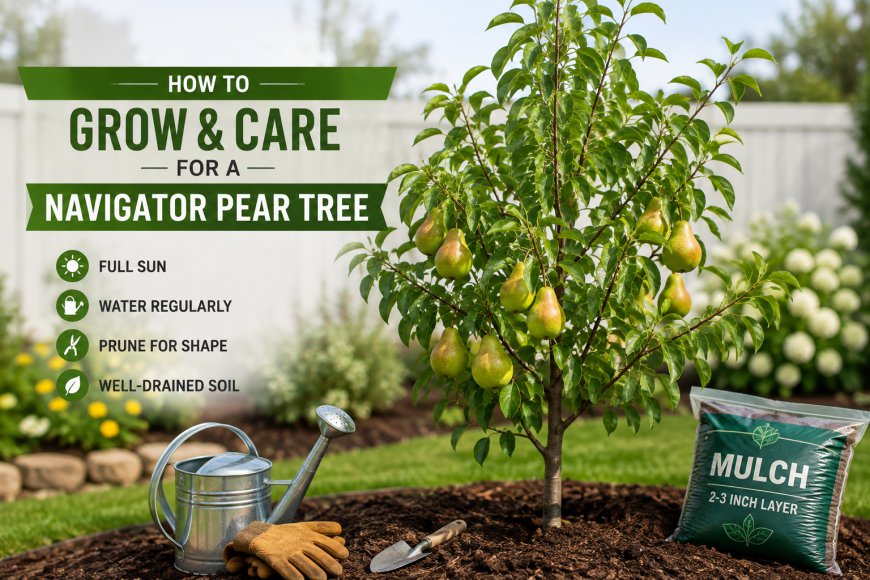
A healthy tree can add beauty, shade, and seasonal interest to any landscape. If you're looking for an ornamental tree that offers spring flowers, attractive foliage, and colorful fall leaves, the Navigator Pear is worth considering. Its upright shape and easy-care nature make it a popular choice for home gardens, parks, and streetscapes.
Growing a tree successfully starts with choosing the right location and providing proper care during its early years. Fortunately, this ornamental pear is known for adapting well to different conditions once established.
This guide explains how to plant, grow, and care for a Navigator Pear so it stays healthy and attractive for years to come.
What Is a Navigator Pear Tree?
The Navigator Pear is an ornamental pear tree grown mainly for its appearance rather than its fruit. In spring, it produces clusters of white flowers that brighten the landscape. During summer, its glossy green leaves create a neat, upright canopy. As autumn arrives, the foliage often turns shades of yellow, orange, or red, adding seasonal color to the garden.
Because of its narrow, upright growth, this tree works well in smaller yards and areas where space is limited.
Choose the Right Planting Location
A good location is one of the most important factors for healthy growth.
This ornamental tree grows best in a spot that receives full sun for most of the day. Plenty of sunlight encourages strong growth, healthy leaves, and abundant spring blooms.
It also prefers soil that drains well. Water should soak into the ground instead of sitting around the roots after rain.
Before planting, allow enough room for the tree to reach its mature height and width without crowding nearby buildings or other plants.
How to Plant a Navigator Pear
Planting the tree correctly helps it establish a strong root system.
Start by digging a hole that is wider than the root ball but no deeper than its height. Place the tree in the center of the hole, making sure the top of the root ball sits level with the surrounding soil.
Fill the hole with the original soil and gently press it down to remove large air pockets.
Water thoroughly after planting so the soil settles around the roots.
Adding a layer of mulch around the base helps the soil hold moisture and reduces weed growth. Keep the mulch a few inches away from the trunk.
Watering Tips
Newly planted trees need regular watering while they become established.
Water deeply once or twice a week during dry weather rather than giving small amounts every day. Deep watering encourages roots to grow farther into the soil.
Once established, the tree usually needs less frequent watering. During long dry periods, an occasional deep watering helps maintain healthy growth.
Always check the soil before watering. If it still feels moist several inches below the surface, wait another day or two.
Fertilizing the Tree
Most healthy garden soils provide many of the nutrients this tree needs.
If growth appears slow or leaves lose their healthy color, applying a balanced tree fertilizer in early spring may help. Follow the product instructions carefully and avoid using more than recommended.
Adding compost around the base each year is another simple way to improve soil quality naturally.
Pruning for Healthy Growth
Regular pruning helps maintain a strong shape and removes damaged branches.
The best time to prune is during late winter or early spring before new growth begins.
Remove broken, dead, or crossing branches first. Then shape the tree lightly if needed.
Avoid removing too many branches at one time, as heavy pruning can slow healthy growth.
Protecting Against Common Problems
Like many ornamental trees, this variety can occasionally experience problems caused by weather, insects, or plant diseases.
Regular inspection helps you notice issues early.
Look for:
- Damaged leaves
- Broken branches
- Unusual spots on foliage
- Insect activity
- Dead twigs
Keeping the tree healthy through proper watering, pruning, and good airflow often reduces many common problems.
If you notice serious damage or ongoing decline, consider consulting a local gardening expert or certified arborist.
Seasonal Care Throughout the Year
Healthy trees benefit from small amounts of care during every season.
Spring
Watch for new leaves and flowers. Remove winter damage and refresh the mulch if needed.
Summer
Water during extended dry periods and check for signs of stress caused by heat.
Autumn
Enjoy the colorful foliage. Rake fallen leaves if necessary and continue watering during dry weather until the ground cools.
Winter
Protect young trees from damage caused by harsh weather if needed. Avoid heavy pruning until late winter.
The YourHomify community enjoys sharing simple gardening tips that help every outdoor space grow with confidence.
Why Many Gardeners Choose This Tree
One reason homeowners appreciate the Navigator Pear is its attractive appearance throughout the year.
In spring, white blossoms create a bright display.
During summer, dense green foliage provides structure and shade.
In autumn, colorful leaves add another layer of seasonal beauty.
Its upright growth also makes it suitable for narrower spaces where spreading trees may not fit comfortably.
Simple Maintenance Tips
Caring for this tree does not require complicated routines.
A few simple habits can make a big difference:
- Plant it in full sun.
- Water deeply during dry periods.
- Keep mulch around the base.
- Remove damaged branches each year.
- Allow enough space for healthy growth.
- Watch for early signs of pests or disease.
Consistent care helps the tree stay healthy without requiring constant attention.
Final Thoughts
Growing a Navigator Pear is a rewarding choice for anyone looking to add lasting beauty to a landscape. With the right planting location, regular watering during its early years, and occasional pruning, this ornamental tree can remain healthy for many seasons.
Its spring flowers, glossy summer leaves, and colorful fall display make it an attractive feature throughout much of the year. By following a few simple care practices, you can enjoy a strong, healthy tree that continues to enhance your outdoor space.
Frequently Asked Questions
1. How much sunlight does a Navigator Pear tree need?
It grows best in full sun, receiving at least six hours of direct sunlight each day.
2. How often should I water a newly planted Navigator Pear?
Water deeply once or twice a week during dry weather until the tree becomes well established.
3. When is the best time to plant a Navigator Pear tree?
Spring and early fall are generally the best times because the weather is mild and supports root growth.
4. Does a Navigator Pear tree need regular pruning?
Yes. Light pruning each year helps remove damaged branches and maintain a healthy shape.
5. How tall does a Navigator Pear tree grow?
Its mature size depends on growing conditions, but it typically develops into a medium-sized ornamental tree with an upright form.