Non-Invasive Neurostimulation Devices Market Size, Trends, and Growth Strategies
 coherentmarket
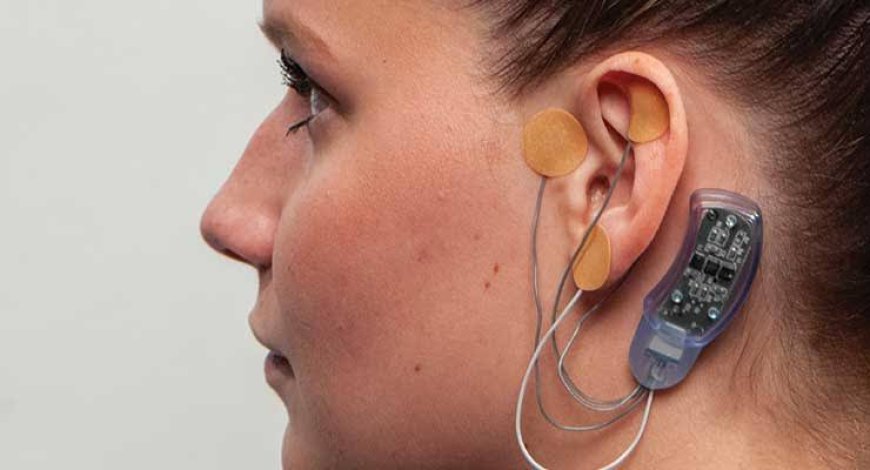
The non-invasive neurostimulation devices industry has witnessed significant advancements driven by increasing demand for effective neurological disorder treatments without surgical intervention. With notable technological innovations and rising adoption across therapeutic areas, this market presents robust opportunities for industry growth and continued business development.
Market Size and Overview
The non-invasive neurostimulation devices market is estimated to be valued at USD 1.45 Bn in 2025 and is expected to reach USD 3.15 Bn by 2032, growing at a compound annual growth rate (CAGR) of 11.7% from 2025 to 2032.
This rapid Non-Invasive Neurostimulation Devices Market Growth is attributable to expanding clinical applications, heightened awareness of neurostimulation benefits, and advancements in wearable safety-compliant device designs. The market report underscores growing investment and evolving market dynamics promoting innovation and competitive product development.
Market Segments
The market is broadly categorized into product type, application, and end-user segments:
- Product Type: Includes Transcranial Magnetic Stimulation (TMS), Transcutaneous Electrical Nerve Stimulation (TENS), and Vagus Nerve Stimulation (VNS). Transcranial Magnetic Stimulation remains dominant due to its wide therapeutic uses in depression and migraine in 2024, while TENS exhibits the fastest revenue growth driven by home healthcare adoption.
- Application: Covers treatment of chronic pain, neurological disorders, and psychological conditions. Chronic pain applications dominate the Non-Invasive Neurostimulation Devices market report, with neurological disorder treatments such as epilepsy expected to grow rapidly given increasing diagnoses.
- End-User: Hospitals, homecare, and clinics. Hospitals lead in revenue generation; however, homecare usage is expanding quickly due to device portability and patient preference for at-home treatments observed in 2025.
Market Drivers
One of the critical market drivers influencing the Non-Invasive Neurostimulation Devices market trends is the regulatory support for non-pharmaceutical neurological therapies. For instance, in 2024, the U.S. FDA expanded clearance for several neurostimulation devices for treatment-resistant depression and migraine, boosting market growth significantly. Additionally, reimbursement policies favoring non-invasive and cost-effective treatments contributed to increased uptake, highlighting market opportunities for new entrants and established companies focusing on diverse therapeutic areas.
Segment Analysis
Focusing on the product type segment, Transcranial Magnetic Stimulation (TMS) holds dominant market revenue, supported by demonstrated clinical efficacy in psychiatric disorders, particularly depression. In 2025, several hospitals reported a 20% increase in TMS treatment sessions compared to 2024, reflecting strong growth. Meanwhile, the fastest-growing sub-segment is Transcutaneous Electrical Nerve Stimulation (TENS) due to rising demand for portable pain relief devices at home. Case studies from rehabilitation centers underline increased patient compliance and improved outcomes, reinforcing this segment’s promising outlook.
Consumer Behaviour Insights
Recent consumer behavior insights reveal shifting preferences toward personalized neurostimulation therapies with customizable intensity and treatment duration. A 2025 survey indicated over 60% of users preferred devices with app-based control and real-time feedback features. Furthermore, there is growing sustainability awareness influencing purchasing decisions; buyers increasingly seek devices with energy-efficient designs and recyclable components. Price sensitivity remains moderate, with willingness to invest in clinically validated products overcoming cost concerns. The preference for non-invasive homecare options also reflects broader healthcare digitalization and decentralization trends.
Key Players
Leading companies shaping market trends include AcuKnee, AxioBionics, BioMedical Life Systems, HiDow, and CEFALY Technology. Throughout 2024 and 2025, these market players executed significant strategies such as new product launches integrating AI-driven personalization, capacity expansions to meet rising demand, and entry into emerging regional markets in Asia-Pacific. These moves resulted in increased market revenue and contributed to shaping competitive dynamics. Other notable companies enhancing the Non-Invasive Neurostimulation Devices market landscape with innovation include .
Key Winning Strategies Adopted by Market Players
Several impactful strategies distinguish top-tier companies in the Non-Invasive Neurostimulation Devices market:
- AI-Enabled Treatment Customization: In 2025, AxioBionics introduced AI-integrated neurostimulation wearables allowing tailored treatment plans, which improved patient adherence by 15%.
- Strategic Regional Expansion: CEFALY Technology’s 2024 push into rapidly growing Asian markets leveraged local partnerships, increasing revenue by over 10% in new geographies within a year.
- Sustainable Product Development: AcuKnee’s 2024 launch of eco-friendly device models featuring recyclable materials set a new market sustainability benchmark, positively influencing brand loyalty and consumer trust.
FAQs
1. Who are the dominant players in the Non-Invasive Neurostimulation Devices market?
Key market players include AcuKnee, AxioBionics, BioMedical Life Systems, HiDow, and CEFALY Technology, all of whom have demonstrated leadership through innovative product launches and regional expansions during 2024 and 2025.
2. What will be the size of the Non-Invasive Neurostimulation Devices market in the coming years?
The Non-Invasive Neurostimulation Devices market size is projected to grow from USD 1.45 Billion in 2026 to USD 3.15 Billion by 2033, at a CAGR of 11% over the forecast period.
3. Which end-user industry has the largest growth opportunity in this market?
While hospitals generate significant revenue currently, the homecare segment presents the fastest growth opportunity, propelled by consumer preferences for portable and user-friendly devices.
4. How will market development trends evolve over the next five years?
Market trends will focus on AI-driven device personalization, expansion into emerging markets, and sustainability-oriented product innovation, all supported by favorable regulatory policies and reimbursement frameworks.
5. What is the nature of the competitive landscape and challenges in the Non-Invasive Neurostimulation Devices market?
The competitive landscape is characterized by rapid technological innovation, strategic partnerships, and geographic expansion. Key challenges include regulatory compliance variations across regions and the need for continuous clinical validation.
6. What go-to-market strategies are commonly adopted in the Non-Invasive Neurostimulation Devices market?
Common strategies include AI integration for customized therapies, sustainable product development, and targeted regional market penetration through collaborations and capacity enhancement.
Get more insights on : Non-Invasive Neurostimulation Devices Market
‣ Get this Report in Japanese Language: 非侵襲性神経刺激装置市場
‣ Get this Report in Korean Language: 비침습적신경자극장치시장
‣ Read More Related Articles : Clinical Trial Patient Recruitment Services: Rising Demand For New Drugs Driving Growth Of Recruitment Services
Author Bio:
Komal Dighe is a Management Consultant with over 8 years of experience in market research and consulting. She excels in managing and delivering high-quality insights and solutions in Health-tech Consulting reports. Her expertise encompasses conducting both primary and secondary research, effectively addressing client requirements, and excelling in market estimation and forecast. Her comprehensive approach ensures that clients receive thorough and accurate analyses, enabling them to make informed decisions and capitalize on market opportunities.