Non Muscle Invasive Bladder Cancer Market: Size, Trends, and Growth Analysis 2026-2033
The Non Muscle Invasive Bladder Cancer market is witnessing significant evolution driven by advances in diagnostics and treatments focused on early-stage bladder cancer. Industry players are strategically innovating to address rising patient populations and unmet clinical needs, positioning the market for robust expansion through 2033.
 coherentmi21
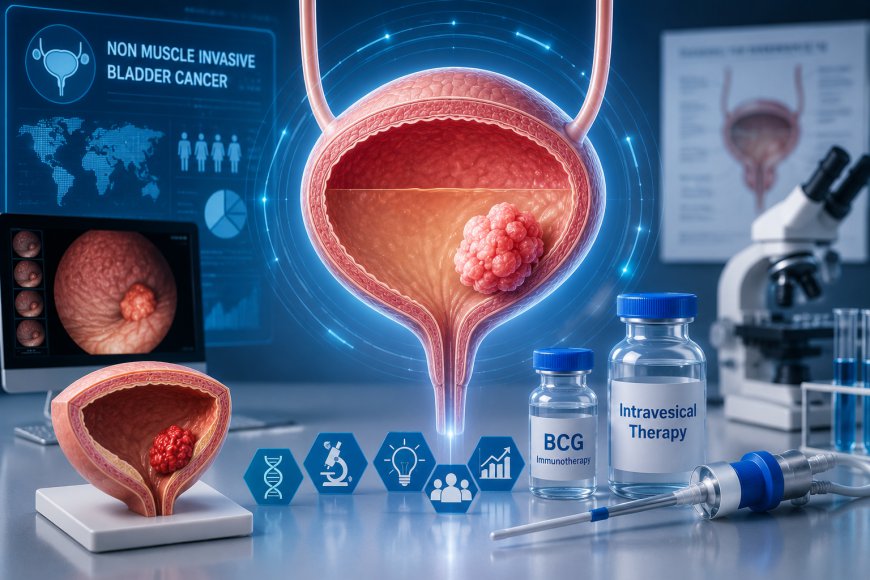
The Non Muscle Invasive Bladder Cancer market is witnessing significant evolution driven by advances in diagnostics and treatments focused on early-stage bladder cancer. Industry players are strategically innovating to address rising patient populations and unmet clinical needs, positioning the market for robust expansion through 2033.
Market Size and Overview
The non muscle invasive bladder cancer market is estimated to be valued at USD 371.1 Mn in 2025 and is expected to reach USD 656.9 Mn by 2032, growing at a compound annual growth rate (CAGR) of 8.5% from 2025 to 2032.
This robust Non Muscle Invasive Bladder Cancer Market Forecast reflects increasing incidences of bladder cancer, coupled with advancements in chemical and immunotherapeutic interventions targeting non muscle invasive stages. The industry size is expanding due to enhanced patient diagnosis rates and the growing adoption of less invasive treatment modalities, which are reshaping the competitive landscape and market dynamics.
Market Drivers
- Rising Prevalence and Aging Population: The foremost market driver is the increasing global incidence of bladder cancer, particularly among the elderly. According to a 2024 epidemiological study, the prevalence of non muscle invasive bladder cancer rose by approximately 5% year-over-year in North America and Europe. This surge has intensified demand for tailored therapies, subsequently impacting the market revenue and market share of key players. For instance, the uptake of immunotherapy drugs for bladder cancer treatment increased by over 15% in 2025, highlighting growing awareness and diagnosis rates.
PEST Analysis
- Political: Regulatory approvals in 2024 for several innovative intravesical therapies by prominent health authorities have accelerated clinical adoption, boosting market opportunities. Initiatives to streamline cancer treatment protocols in developed economies have reduced approval time for targeted therapies, positively impacting the market scope.
- Economic: Fluctuating healthcare budgets in emerging economies have created market restraints by limiting patient access to advanced treatments. However, increased investment in oncology R&D by pharmaceutical companies in 2025 is fueling new product launches, fostering business growth.
- Social: Greater public awareness of bladder cancer symptoms and routine screening campaigns in 2024 expanded diagnosis rates, contributing to increased market share growth across North American and European regions.
- Technological: Innovations such as enhanced cystoscopy and novel immunotherapeutics introduced in 2025 have transformed treatment paradigms. These technologies improve patient outcomes and reduce recurrence rates, creating positive market trends and driving overall market growth.
Promotion and Marketing Initiatives
In 2025, one key promotional strategy involved launching targeted digital awareness campaigns focused on early bladder cancer detection and treatment options, spearheaded by several leading market companies. For example, a major pharmaceutical company executed an education campaign that increased patient engagement by 20% within six months, facilitating faster clinical adoption of their immunotherapy product. Such initiatives enhance market penetration and contribute significantly to market revenue and market growth strategies in this specialized oncology segment.
Key Players
- Merck & Co., Inc.
- Ferring Pharmaceuticals
- Pfizer Inc.
- CG Oncology
- Sesen Bio, Inc.
Recent strategic activities by these market players include:
- Merck & Co., Inc. launched a novel immunotherapy agent in early 2025, resulting in a 12% increase in market share in the U.S. non muscle invasive bladder cancer segment.
- Pfizer Inc. expanded its pipeline through partnerships with biotechnology firms focusing on bladder cancer biomarkers, enhancing its market growth strategies.
- Ferring Pharmaceuticals in 2024 invested in regional manufacturing to lower production costs, leading to improved competitive positioning and increased market revenue in APAC markets.
These companies are actively leveraging product launches, geographic expansions, and collaborations to capture wider market segments.
FAQs
1. Who are the dominant players in the Non Muscle Invasive Bladder Cancer market?
Key players dominating the market include Merck & Co., Inc., Pfizer Inc., Ferring Pharmaceuticals, CG Oncology, and Sesen Bio, Inc., all driving innovation through product launches and strategic collaborations between 2024 and 2025.
2. What will be the size of the Non Muscle Invasive Bladder Cancer market in the coming years?
The market size is projected to grow from USD 371.1 million in 2026 to USD 656.9 million by 2033, at a CAGR of 8.5%, reflecting strong market growth fueled by rising disease prevalence and therapeutic advancements.
3. Which end-user segment holds the largest growth opportunity in this market?
Hospitals and specialized cancer treatment centers represent the largest growth opportunity, as they spearhead adoption of new treatment protocols and immunotherapies, uplifting overall market revenue.
4. How will market development trends evolve over the next five years?
Market trends indicate accelerated adoption of immunotherapeutics and biomarker-driven diagnostics, supported by digital awareness campaigns and regulatory advances that enhance treatment accessibility and improve clinical outcomes.
5. What is the nature of the competitive landscape and challenges in the Non Muscle Invasive Bladder Cancer market?
The competitive landscape is marked by intense innovation and strategic collaborations, tempered by market challenges including high treatment costs and regulatory complexities in emerging economies.
6. What go-to-market strategies are commonly adopted in the Non Muscle Invasive Bladder Cancer market?
Companies employ multi-channel marketing campaigns focused on educating healthcare professionals and patients, coupled with strategic partnerships and geographic expansion to maximize market penetration and business growth.
‣ Get this Report in Japanese Language: 非筋層浸潤性膀胱がん市場
‣ Get this Report in Korean Language: 비근육침습성방광암시장
About Author:
Vaagisha brings over three years of expertise as a content editor in the market research domain. Originally a creative writer, she discovered her passion for editing, combining her flair for writing with a meticulous eye for detail. Her ability to craft and refine compelling content makes her an invaluable asset in delivering polished and engaging write-ups.