Outdoor Power Equipment Market Size, Trends, and Growth Forecast 2026-2033
The Outdoor Power Equipment market is experiencing robust expansion driven by increasing adoption across landscaping, agriculture, and residential segments. This industry is rapidly evolving with technological advancements and growing environmental regulations shaping business growth and innovation.
 coherentmi21
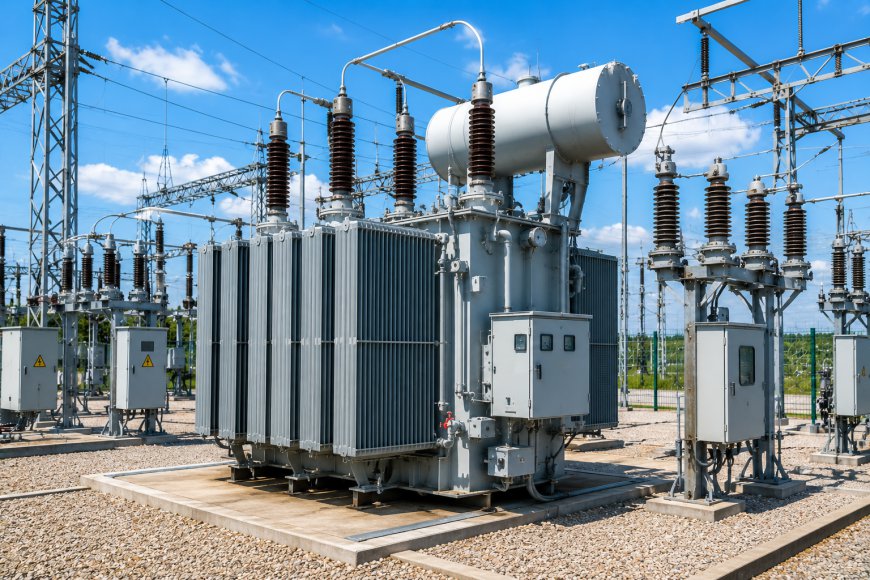
The Outdoor Power Equipment market is experiencing robust expansion driven by increasing adoption across landscaping, agriculture, and residential segments. This industry is rapidly evolving with technological advancements and growing environmental regulations shaping business growth and innovation.
Market Size and Overview
The Global Outdoor Power Equipment Market is estimated to be valued at USD 39.41 Bn in 2025 and is expected to reach USD 62.46 Bn by 2032, growing at a compound annual growth rate (CAGR) of 6.8% from 2025 to 2032.
The market report highlights strong Outdoor Power Equipment Market Revenue growth due to escalating demand for efficient, battery-powered, and eco-friendly equipment. Market insights reveal that evolving consumer preferences and expanding urban landscaping initiatives are broadening market scope and creating diverse market opportunities across different regions.
Market Drivers
One key market driver influencing outdoor power equipment market growth in 2024 and 2025 is rising environmental concerns leading to the adoption of electric and battery-powered machinery. According to industry data, sales of battery-operated lawn mowers and trimmers surged by over 15% in North America in 2024 due to stricter emission policies and consumer shift towards sustainability. This trend has boosted market companies to invest heavily in innovation and R&D, thereby accelerating market growth and expanding market share for eco-friendly product lines.
PEST Analysis
- Political: Implementation of stringent emission regulations in major markets such as the U.S. and European Union in 2024 is shaping demand for zero-emission equipment, directly influencing market dynamics and incentivizing green product launches.
- Economic: Post-pandemic economic recovery in 2025, along with increased government subsidies for sustainable equipment, has fueled business growth and investment opportunities within the industry.
- Social: Growing awareness related to urban beautification and home gardening trends among millennials and Gen Z consumers in 2024 is expanding market segments and creating new market revenue streams.
- Technological: Advances in lithium-ion battery technology and IoT-enabled smart outdoor equipment introduced in 2025 have enhanced product efficiency and user experience, driving market growth strategies by key players.
Promotion and Marketing Initiative
In 2024, a leading outdoor power equipment market company launched a global digital campaign promoting its new eco-friendly product range. This initiative effectively targeted environmentally conscious consumers through social media, resulting in a 20% increase in online sales revenue within six months. Such marketing strategies are shaping market trends by boosting brand visibility, enhancing customer engagement, and strengthening overall market position in a highly competitive environment.
Key Players
- Husqvarna
- Deere & Company
- Honda Motor Co., Ltd.
- Blount International, Inc.
- The Toro Company
- Echo Incorporated
- STIHL Incorporated
- MTD Products Inc.
- Briggs & Stratton Corporation
- Greenworks Tools
- Makita Corporation
- Black & Decker Corporation
- Snapper
- Toro Rental
- Ryobi Technologies
Recent market growth strategies among these market players include:
- Deere & Company expanded its product portfolio in 2025 by launching a hybrid line of residential lawn care equipment, leading to a 12% increase in market revenue.
- Husqvarna partnered with a major battery manufacturer in early 2024 to enhance battery performance, strengthening its market share in electric mowers.
- Honda Motor Co., Ltd. introduced AI-integrated robotic lawn mowers in 2025, improving operational efficiency and capturing new market segments in smart landscaping.
FAQs
Q1: Who are the dominant players in the Outdoor Power Equipment market?
A1: Dominant market players include Husqvarna, Deere & Company, Honda Motor Co., Ltd., Blount International, and The Toro Company, all of which have showcased significant recent expansions and innovations.
Q2: What will be the size of the Outdoor Power Equipment market in the coming years?
A2: The market size is projected to grow from USD 39.41 billion in 2026 to USD 62.46 billion by 2032, with a CAGR of 7.0%.
Q3: Which end-user industry has the largest growth opportunity?
A3: The residential and landscaping segments present the largest growth opportunity due to rising urban gardening, smart home adoption, and eco-friendly equipment demand.
Q4: How will market development trends evolve over the next five years?
A4: Market trends will evolve around increased adoption of electric and smart outdoor equipment, enhanced regulatory frameworks promoting low emissions, and growth in digital marketing strategies.
Q5: What is the nature of the competitive landscape and challenges in the Outdoor Power Equipment market?
A5: The market is highly competitive with innovation-driven strategies; challenges include regulatory compliance, high R&D costs, and adapting to rapidly changing consumer preferences.
Q6: What go-to-market strategies are commonly adopted in the Outdoor Power Equipment market?
A6: Key strategies include digital promotions, partnerships for technological enhancements, product diversification focusing on eco-friendly solutions, and expansions into emerging markets.
‣ Get this Report in Japanese Language: 屋外用電動機器市場
‣ Get this Report in Korean Language: 야외전원장비시장
About Author:
Money Singh is a seasoned content writer with over four years of experience in the market research sector. Her expertise spans various industries, including food and beverages, biotechnology, chemical and materials, defense and aerospace, consumer goods, etc