Power BI Performance Optimization and Data Modeling Techniques with Seamless Power BI Integration with Dynamics 365
Power BI performance optimization and data modeling techniques help businesses build fast, efficient, and scalable reports. With seamless Power BI integration with Dynamics 365 and the Power BI Dynamics 365 connector, organizations can unify data and gain real-time insights for better decision-making.
 DynaTech Systems
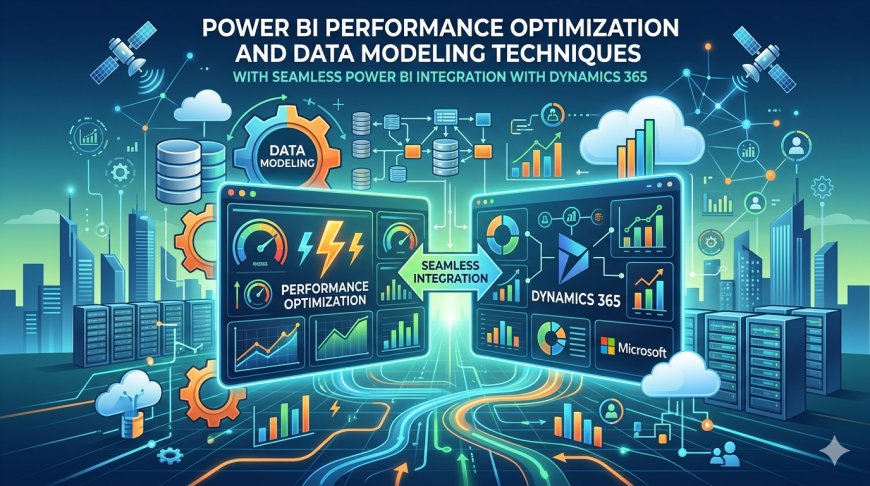
In today’s data-driven business environment, organizations rely heavily on analytics tools to make informed decisions and gain competitive advantages. Power BI has emerged as a leading business intelligence platform that enables users to transform raw data into meaningful insights through interactive dashboards and reports. However, to fully leverage its capabilities, businesses must focus on Power BI performance optimization, effective data modeling techniques, and seamless integration with enterprise systems like Dynamics 365.
Power BI performance optimization plays a crucial role in ensuring fast, responsive, and efficient reporting. As data volumes grow, poorly optimized reports can lead to slow load times and reduced user experience. Optimizing performance involves managing data models efficiently, reducing unnecessary data load, and using best practices such as proper indexing, aggregations, and query optimization. By focusing on performance, organizations can ensure that their reports deliver insights quickly, enabling decision-makers to act without delays.
Another essential aspect of building effective analytics solutions is implementing strong Power BI data modeling techniques. A well-structured data model improves performance, simplifies report development, and enhances data accuracy. Techniques such as creating star schemas, establishing proper relationships, and minimizing data redundancy help in building efficient models. These approaches ensure that data is organized logically, making it easier for users to analyze and interpret information. Effective data modeling also supports scalability, allowing businesses to handle increasing data complexity as they grow.
Power BI integration with Dynamics 365 is a powerful capability that allows organizations to connect their operational data with advanced analytics. Dynamics 365 stores valuable business data related to sales, finance, operations, and customer interactions. By integrating this data with Power BI, organizations can gain a unified view of their business performance. This integration enables real-time reporting and provides insights that help improve decision-making across departments.
The Power BI Dynamics 365 connector simplifies the process of connecting Power BI to Dynamics 365 data sources. It allows users to directly access and visualize data without the need for complex configurations or manual data extraction. With this connector, businesses can create dashboards that provide insights into key metrics such as sales performance, customer behavior, and operational efficiency. This seamless connectivity ensures that users always have access to up-to-date and accurate information.
Combining Power BI performance optimization with advanced data modeling techniques and integration capabilities creates a robust analytics ecosystem. Organizations can build high-performing dashboards that not only deliver insights quickly but also provide a comprehensive view of business operations. This holistic approach enables businesses to identify trends, monitor performance, and make data-driven decisions with confidence.
Moreover, the integration of Power BI with Dynamics 365 enhances collaboration across teams by providing a shared platform for data analysis. Teams can access consistent data, create reports, and share insights across the organization. This improves transparency and ensures that all stakeholders are aligned with business goals and performance metrics.
As businesses continue to embrace digital transformation, the importance of efficient and scalable analytics solutions becomes increasingly evident. Power BI, with its performance optimization capabilities, advanced data modeling techniques, and seamless integration with Dynamics 365, provides a powerful platform for modern enterprises. It enables organizations to unlock the full potential of their data, improve operational efficiency, and drive strategic growth.
Conclusion,
Focusing on Power BI performance optimization, leveraging strong data modeling techniques, and utilizing the Power BI Dynamics 365 connector are essential steps for building a successful analytics strategy. By integrating Power BI with Dynamics 365, organizations can create a unified data environment that supports real-time insights and informed decision-making. This approach not only enhances business intelligence capabilities but also positions organizations for long-term success in a competitive digital landscape.