Safe, Reliable Field Trip Transportation for Amarillo Schools
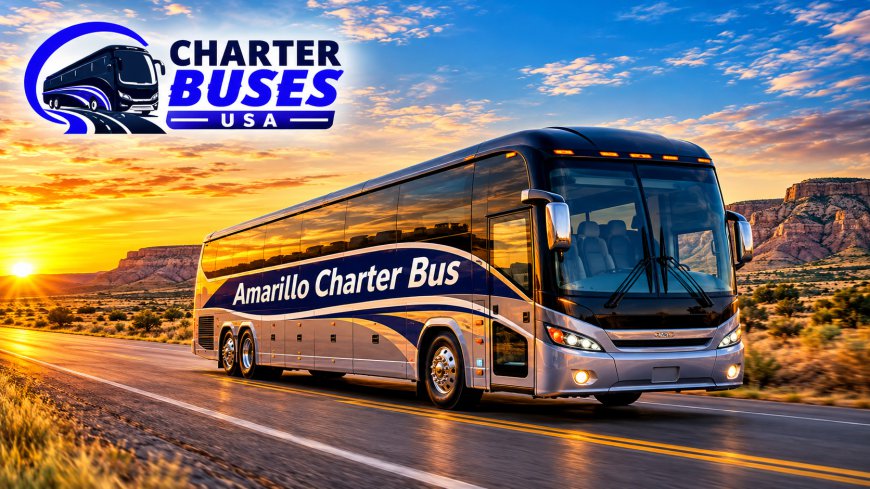
An Amarillo charter bus rental can be one transportation option for schools organizing group trips because it allows students and staff to travel according to a shared itinerary. Whether the destination is a museum, educational attraction, sporting event, cultural venue, or outdoor activity, transportation planning should begin early.
 oliver1245
Planning a school field trip involves much more than choosing an interesting destination. Teachers, administrators, and trip coordinators also need to think carefully about how students, teachers, chaperones, backpacks, and equipment will get there and return on schedule.
Schools can make the process more organized by confirming the student count, selecting an appropriate vehicle, establishing boarding procedures, and communicating expectations with students and chaperones before departure.
Why Transportation Planning Matters for School Field Trips
Transportation is an important part of the overall field-trip plan because students and staff need to reach the destination according to a predetermined schedule. A delay at the beginning of the day can affect reservations, guided tours, meal breaks, and other activities.
When arranging charter bus rental in Amarillo, schools should begin by establishing the basic details of the trip. This includes the number of students, teachers, and chaperones; the pickup location; destination; departure time; return time; and any planned stops.
Student headcounts should be accurate. The number of passengers determines what type of vehicle may be appropriate, while the amount of luggage or equipment can affect storage requirements.
Schools should also consider accessibility requirements. If a student or staff member has specific mobility needs, those requirements should be communicated before transportation is selected.
The itinerary should be realistic as well. Large groups can require additional time to board and leave a vehicle, so planners should avoid creating schedules with extremely short gaps between activities.
Transportation planning should also work alongside the school's established supervision and safety procedures. Teachers and chaperones should understand their responsibilities before students begin boarding.
Choosing a School Transportation Provider
When selecting an Odessa charter bus company, schools should evaluate more than the quoted price. Transportation for students requires careful attention to vehicle suitability, driver arrangements, scheduling, and applicable requirements.
Schools can begin by asking what vehicles are available for the group's passenger count. The vehicle should provide sufficient seating without exceeding its appropriate capacity.
It is also reasonable to ask about driver qualifications, licensing, insurance, and vehicle maintenance procedures. Schools should verify that the provider meets applicable federal, state, and local requirements for the type of transportation being arranged.
Vehicle condition is another consideration. Ask about routine maintenance and how the provider handles mechanical issues or unexpected transportation problems.
Accessibility should be discussed before making a reservation if any passenger has specific requirements.
Schools should also understand the provider's scheduling and cancellation policies. Field trips can sometimes change because of weather, school schedules, venue availability, or other circumstances.
Before confirming a booking, provide the complete itinerary. This allows the transportation provider to understand the route, number of stops, expected travel duration, and other requirements.
A transportation provider should complement the school's existing planning procedures rather than replace them. Teachers and administrators remain responsible for student supervision and following their school's field-trip policies.
School Trip Charter Bus Rental for Larger Student Groups
A school trip charter bus rental can be considered when a large number of students and staff need to travel to the same destination.
For example, schools may organize trips to museums, science centers, historical sites, cultural attractions, competitions, educational programs, or special events.
Traveling as a group can simplify the transportation schedule. Rather than having teachers coordinate numerous personal vehicles, students can follow a centralized departure and return plan.
Before selecting a vehicle, determine the complete passenger count. Include students, teachers, chaperones, coaches, and other staff members who will be traveling.
Backpacks and equipment should also be considered. A class visiting an educational attraction may have relatively little luggage, while an athletic group may travel with uniforms, equipment bags, and other supplies.
For overnight trips, storage requirements can be even greater because students may bring suitcases and additional personal belongings.
Schools should also think about the length of the journey. A short local trip may have different transportation requirements from an all-day or multi-day excursion.
If multiple vehicles are required, designate a teacher or trip coordinator for each vehicle and establish procedures for keeping the group organized.
The goal is to create a transportation plan that fits the number of travelers, the itinerary, and the school's supervision requirements.
Field Trip Bus Rental for Amarillo Schools
A field trip bus rental Amarillo arrangement can be organized around the specific schedule of the educational excursion.
The first stage is usually the school pickup. Establish where students will gather, where the vehicle will wait, and when students should arrive. Providing clear instructions can reduce confusion on the morning of the trip.
Before departure, teachers and chaperones can follow the school's established headcount procedures. Student lists should be readily available so staff can verify attendance.
Once the group arrives at the destination, allow enough time for students to leave the vehicle in an orderly manner. If the trip involves multiple attractions, the transportation schedule should account for every planned stop.
Lunch breaks are another consideration. If students will eat at a separate location, include that destination in the transportation itinerary.
The return journey should receive the same level of attention as the morning departure. Students may be tired after a full day of activities, making clear instructions and organized boarding particularly important.
If a trip includes multiple destinations, the itinerary should be shared with teachers, chaperones, and other responsible staff members.
Schools should also maintain appropriate emergency contact information and follow their own procedures for communicating with parents or guardians if circumstances change.
When a Sprinter Van May Be Appropriate
Not every school trip involves a large class or an entire grade level. Smaller groups may have different transportation requirements.
A sprinter van rental with driver may be considered for smaller student groups, teachers, staff members, extracurricular activities, academic competitions, or other school-related travel where a full-size bus isn't necessary.
For example, a small group of students participating in an academic competition may need transportation to another location. Similarly, a group of teachers or staff members may require transportation to a conference or professional event.
A smaller vehicle can also be useful when the itinerary involves several locations and the group size is limited.
However, schools should always confirm passenger capacity and ensure that the vehicle is appropriate for the planned trip. Student transportation policies and applicable requirements should be reviewed before selecting any vehicle.
Luggage and equipment should also be considered. A smaller vehicle may have limited storage, so schools should communicate these requirements in advance.
The right vehicle is ultimately the one that corresponds with the number of passengers, itinerary, and school requirements.
Creating a Safe and Organized Field Trip Transportation Plan
Good organization begins well before students board the vehicle.
1. Confirm the final student count
Determine the expected number of students, teachers, and chaperones. Update the transportation provider if the number changes significantly.
2. Assign teachers and chaperones
Make sure staff members understand their responsibilities and know which students they are supervising.
3. Establish a boarding procedure
Choose a clear meeting point and tell students when they should arrive. Avoid scheduling departure immediately after the first students begin gathering.
4. Prepare passenger information
Teachers should have the appropriate student list and contact information required under the school's field-trip procedures.
5. Share emergency contacts
Relevant staff members should know whom to contact if there is a transportation delay or another unexpected situation.
6. Plan pickup and drop-off locations
Make sure the selected locations are practical for the vehicle and easy for students and staff to identify.
7. Allow additional time
Large groups can take longer to board, unload, and organize. Build reasonable time into the itinerary.
8. Schedule headcounts
Follow the school's procedures for checking attendance before departure, after major stops, and before returning to school.
9. Communicate expectations
Students should know basic expectations regarding boarding, belongings, behavior, and staying with their assigned group.
10. Confirm the reservation
Review the date, time, passenger count, vehicle, route, pickup location, and destination before the trip.
These steps can help make the transportation portion of the field trip more predictable and easier for staff to coordinate.
Questions Schools Should Ask Before Booking
Before making a reservation, school administrators and trip organizers should ask practical questions about the transportation service.
Start with the vehicle. What type of vehicle will be provided? How many passengers can it accommodate? Is there enough storage for backpacks, luggage, or equipment?
Ask whether a professional driver is included and what qualifications or licensing apply to the service.
Schools should also ask about vehicle maintenance and applicable insurance requirements. These details are particularly important when arranging transportation for students.
Accessibility should be discussed if necessary. If a student requires a specific accommodation, confirm that the proposed transportation arrangement can meet that need.
Ask about the itinerary as well. Find out how changes, additional stops, delays, or changes in the return time are handled.
Finally, review the cancellation and payment policies before confirming the reservation.
If a school coordinator needs to discuss transportation requirements or clarify scheduling details, a contact number such as +1 (877) 909-4004 can provide a direct way to communicate during the planning process.
Making Field Trip Transportation Easier to Manage
Successful school transportation starts with preparation. Before choosing a vehicle, schools should determine how many students and staff members will travel, where they need to go, how long the trip will last, and what belongings or equipment they will bring.
A larger school trip charter bus rental may be appropriate for a full class, grade level, athletic team, or large educational group. A field trip bus rental Amarillo option can be planned around the school's pickup, destination, activity schedule, and return journey.
For smaller groups, a sprinter van rental with driver may be considered when the passenger count and school requirements make a smaller vehicle appropriate.
Regardless of the vehicle, schools should communicate clearly with transportation providers, teachers, chaperones, students, and parents or guardians as required by school policy. Passenger counts should be confirmed, pickup locations should be clear, and enough time should be included for boarding and scheduled stops.
Most importantly, transportation should be incorporated into the school's broader field-trip plan. When the route, schedule, supervision procedures, and vehicle requirements are addressed in advance, teachers can spend less time dealing with transportation logistics and more time focusing on the educational purpose of the trip.
With thoughtful preparation and appropriate transportation arrangements, Amarillo schools can create a more organized field-trip experience from departure to return.