Scarring Treatments in Ascot: Modern Approaches for Smoother, More Refined-Looking Skin
Scars can affect people of all ages and skin types. Some may appear as shallow depressions, while others can be raised, darker, lighter, or irregular in texture. Because every scar develops differently, professional assessment is an important first step before selecting a suitable treatment.
 TheVerveLoungeAU
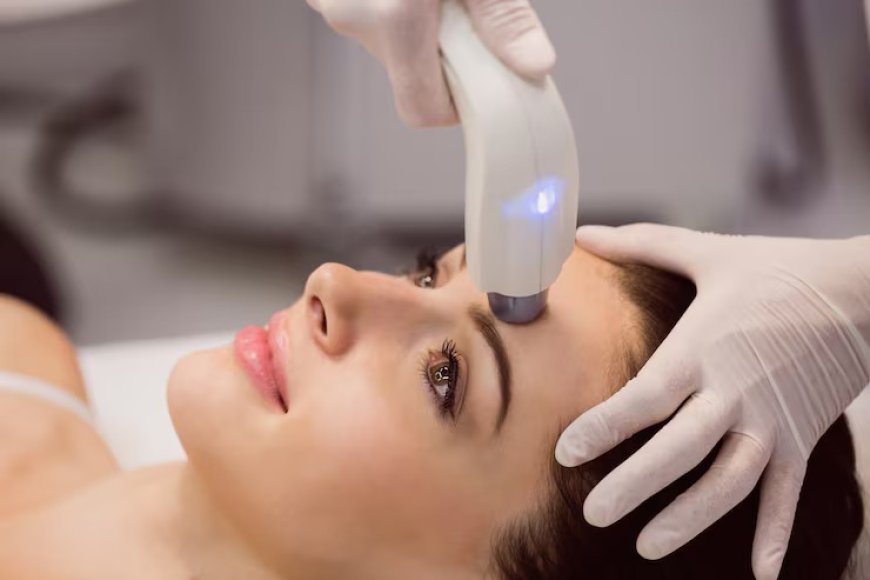
Skin scarring can remain visible long after acne, injury, inflammation, or other skin concerns have healed. For individuals seeking professional options to improve the appearance of uneven texture and visible scars, scarring treatments in ascot can provide targeted approaches designed to support smoother-looking and more balanced skin. The right treatment depends on the type, depth, location, and age of the scar, as well as the individual's skin condition.
Scars can affect people of all ages and skin types. Some may appear as shallow depressions, while others can be raised, darker, lighter, or irregular in texture. Because every scar develops differently, professional assessment is an important first step before selecting a suitable treatment.
The Verve Lounge provides professional aesthetic skin treatments tailored to individual concerns, helping they understand appropriate options and develop realistic treatment expectations.
Understanding Different Types of Skin Scarring
Scarring occurs when the skin repairs itself following damage. The body produces collagen during the healing process, but the resulting tissue may differ from the surrounding skin.
Common Types of Acne Scars
Acne scars are among the most common concerns addressed through professional skin treatments. They can include:
- Atrophic or depressed scars
- Rolling scars
- Boxcar scars
- Ice-pick scars
- Post-inflammatory marks
Each type has a different appearance and may respond differently to treatment.
Factors That Influence Scar Appearance
Several factors can influence how a scar develops, including the depth of the original inflammation or injury, genetics, skin type, collagen production, and how the area healed.
Sun exposure can also make certain scars and pigmentation more noticeable. Consistent sun protection is therefore an important part of long-term skin care.
Modern Approaches to Scar Improvement
Professional aesthetic treatments can target different aspects of scar appearance, including uneven texture, pigmentation, and reduced skin firmness. Treatment may involve controlled stimulation of the skin to encourage collagen remodelling and renewal.
Supporting Collagen Remodelling
Collagen plays a significant role in the structure and appearance of scar tissue. Certain professional procedures create controlled stimulation that encourages the body's natural repair mechanisms.
As collagen remodels over time, the treated area may gradually appear smoother and more uniform. Results depend on the type and severity of the scar and the individual's response to treatment.
Improving Skin Texture
Uneven skin texture can remain noticeable after acne or other forms of inflammation. Treatments such as professional microneedling may create controlled microchannels in the skin, supporting a natural healing response.
For suitable individuals, this process may help improve the appearance of shallow scars and contribute to a more refined-looking skin surface.
Choosing Scarring Treatments in Ascot
Selecting a scar treatment should begin with professional assessment. The practitioner can identify the type of scarring, assess skin condition, and determine which treatment approach may be appropriate.
Why Individual Assessment Matters
No single procedure is suitable for every type of scar. A treatment that may benefit shallow acne scarring may not provide the same results for deeper scars or raised scar tissue.
The Verve Lounge takes an individualised approach, helping they understand available treatment options, possible benefits, limitations, recovery requirements, and aftercare recommendations.
Setting Realistic Expectations
Scar improvement is generally a gradual process. Professional treatments may soften the appearance of scars and improve skin texture, but complete removal cannot always be achieved.
The number of treatments required depends on scar depth, skin condition, treatment type, and individual healing response. Clear expectations help individuals understand that meaningful improvement may require patience and consistent care.
What to Expect During and After Treatment
Before treatment, practitioners generally review the individual's skin condition, medical history, previous procedures, current skincare products, and scar-related concerns.
They can explain the treatment process, preparation requirements, expected sensations, possible downtime, and aftercare instructions.
Recovery and Skin Care
Recovery varies depending on the treatment selected. Some procedures may cause temporary redness, sensitivity, swelling, warmth, or peeling.
Aftercare should be followed carefully to support the skin during recovery. Practitioners may recommend gentle skincare, avoiding certain active ingredients temporarily, and protecting the treated area from excessive sun exposure.
Daily sun protection can be particularly important because ultraviolet exposure may worsen pigmentation and make scars more noticeable.
Frequently Asked Questions
1. What are scarring treatments in ascot?
scarring treatments in ascot refer to professional aesthetic procedures designed to improve the appearance of visible skin scars and uneven texture. Depending on individual needs, treatment may focus on collagen stimulation, skin renewal, texture, or pigmentation associated with scarring.
2. Who may benefit from scarring treatments in ascot?
Individuals with concerns such as acne scars, uneven skin texture, or certain healed marks may be considered for treatment. scarring treatments in ascot suitability depends on their scar type, skin condition, medical history, and desired outcome.
3. Can scarring treatments in ascot completely remove scars?
Most professional treatments aim to reduce the visibility of scars rather than guarantee complete removal. With scarring treatments in ascot, results vary according to scar depth, age, type, skin characteristics, treatment method, and individual healing response.
4. How many treatments may be required for scar improvement?
The number of sessions varies depending on the severity and type of scarring. During consultation, practitioners can assess their skin and explain whether a single treatment or a series of sessions may be appropriate.
5. Where can they discuss scarring treatments in ascot?
They can consult The Verve Lounge to discuss scarring treatments in ascot and receive personalised guidance based on their skin concerns. A professional assessment can help them understand treatment suitability, expected outcomes, recovery, and aftercare.
A Considered Approach to Scar Management
Visible scarring can influence skin texture and complexion long after the original concern has healed. While scars are a natural part of the body's repair process, modern aesthetic treatments can provide options for individuals seeking to reduce their appearance and improve overall skin texture.
The most appropriate treatment depends on scar type, depth, skin condition, pigmentation, lifestyle, and individual goals. Professional assessment is essential because different scars may require different approaches, and realistic expectations are important when considering treatment.
For individuals considering scarring treatments in ascot, The Verve Lounge can provide personalised guidance to help they understand suitable options for their skin. With appropriate treatment planning, professional aftercare, consistent sun protection, and a supportive skincare routine, they can work towards smoother, more even-looking, and healthier-looking skin.