What Features Make Disability Housing Sydney Safe and Accessible?
When choosing Disability Housing Sydney, look for a home that combines practical accessibility, safety, comfort, and appropriate support.
 ccarehomeaus
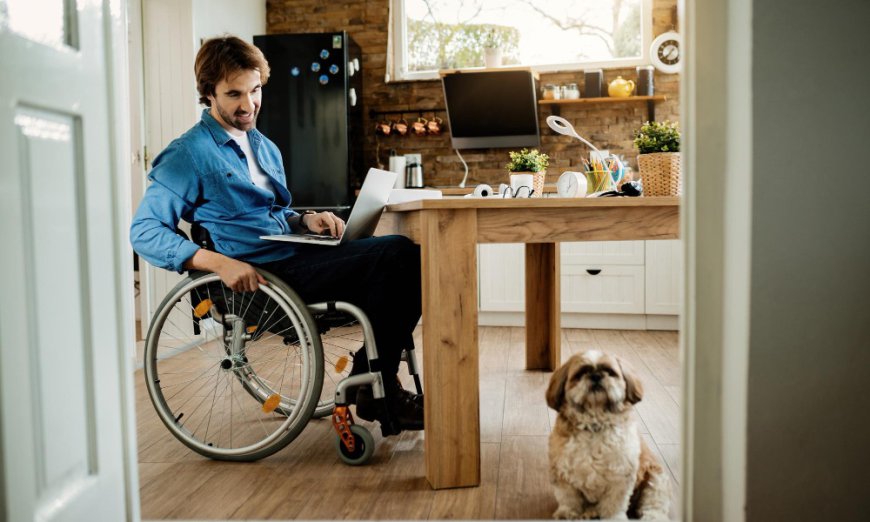
Finding a home that feels safe, comfortable, and easy to use is important for people living with disability. The right home should support daily routines while helping residents feel more confident and independent. When looking at Disability Housing Sydney, it is important to consider the design, accessibility features, safety measures, location, and level of support available.
Accessible Entrances and Doorways
The entrance to a home should be easy to access. Steps can create difficulties for people who use wheelchairs, walkers, or other mobility equipment.
Accessible Disability Housing Sydney may include ramps, suitable pathways, handrails, and entrances that allow easier movement. Doorways should also provide enough space for mobility equipment.
An accessible entrance can make it easier for residents to enter and leave their home without unnecessary barriers.
Spacious and Practical Layouts
A home should provide enough space for residents to move around safely. Narrow hallways or crowded rooms can make everyday activities difficult.
When inspecting Disability Housing Sydney, consider whether the layout provides enough room for wheelchairs, walkers, support workers, and other equipment.
An open and practical design can make moving between rooms easier and reduce the risk of accidents.
Accessible Bathrooms
Bathrooms are an important part of safe disability housing. Features should be selected according to the resident's individual requirements.
Depending on the design, accessible bathrooms may include grab rails, suitable shower areas, non-slip flooring, accessible sinks, and enough space for movement or assistance.
A well-designed bathroom can help residents complete personal care routines with greater comfort and confidence.
Accessible Kitchens
The kitchen should also be practical and easy to use. Some people may require lower work surfaces, accessible storage, suitable appliances, or clear space for mobility equipment.
When considering Disability Housing Sydney, think about whether the kitchen can support the person's abilities and daily routines.
A suitable kitchen can also provide opportunities for residents to practise cooking and other household skills with appropriate support.
Suitable Lighting
Good lighting can help make a home easier and safer to navigate. Poorly lit hallways, entrances, and bathrooms may increase the risk of trips and falls.
Homes should have suitable lighting throughout important areas. Natural light can also make living spaces feel more comfortable.
The lighting needs of each resident should be considered when choosing Disability Housing Sydney.
Safety and Emergency Features
Safety systems can provide additional peace of mind. Depending on the person's needs, a property may require emergency alarms, communication systems, accessible exits, or other safety features.
It is important to understand how emergencies are handled and what procedures are available before moving into a property.
When comparing Disability Housing Sydney options, ask the provider about emergency planning and safety arrangements.
Space for Assistive Equipment
Some residents may use wheelchairs, hoists, walkers, communication devices, or other assistive equipment.
The home should provide suitable space to use and store these items. Equipment should not create unnecessary obstacles in walkways or living areas.
A property that is planned around the resident's equipment can make daily routines much easier.
Comfortable Bedrooms and Living Areas
Personal comfort is also important. Bedrooms and living areas should provide enough space for the resident's needs and preferred furniture.
Depending on individual requirements, bedrooms may need additional space for mobility equipment or support workers.
A comfortable living environment can help residents feel relaxed and make the property feel like home.
Location and External Access
Accessibility does not stop at the front door. The surrounding area also matters.
Consider whether the home provides convenient access to public transport, shops, medical services, parks, community facilities, and other important places.
A well-located Disability Housing Sydney property can make it easier for residents to participate in community activities and maintain social connections.
Choosing a Supportive Provider
Good housing should be supported by a provider that understands individual needs. Christian Care believes that every participant deserves respectful, person-centred support.
We understand that accessibility requirements can vary from person to person. Our approach focuses on listening to participants and supporting their individual goals, preferences, and daily routines.
When choosing Disability Housing Sydney, look for a home that combines practical accessibility, safety, comfort, and appropriate support.
The right features can make everyday life easier and help participants work towards greater independence. By carefully checking the property's design and support arrangements, families and participants can make a more informed housing decision.