Why Won’t My Wound Heal? How a Wound Care Specialist Can Help
Why won’t your wound heal? Discover common causes of delayed wound healing and learn how a wound care specialist can help manage chronic and difficult wounds.
 newpost21
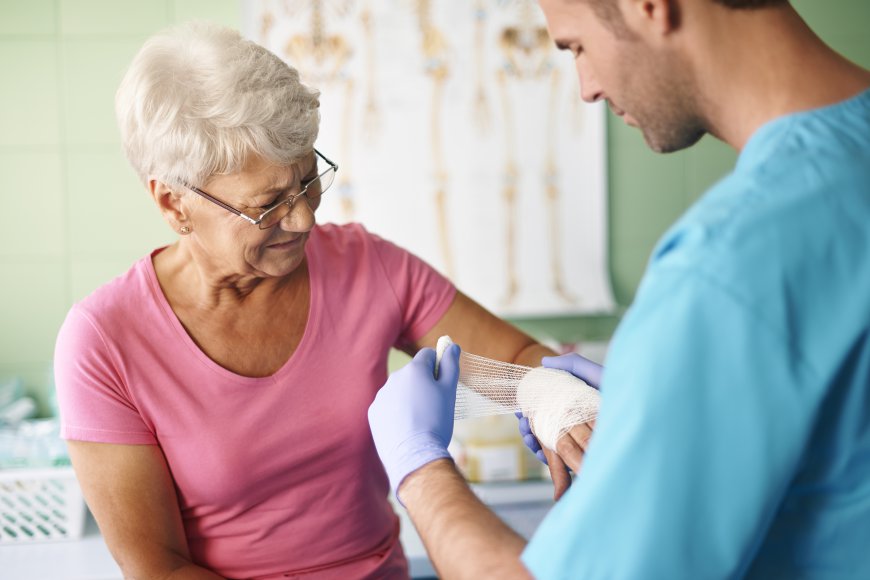
You clean the wound, change the dressing, and try to protect it—but weeks later, it still has not healed. If this sounds familiar, you may be dealing with more than an ordinary injury.
Wound healing is a complex biological process. When everything works properly, the body repairs damaged tissue through a series of coordinated steps. But several factors can interrupt this process, causing a wound to remain open or repeatedly break down.
A wound care specialist can help determine why a wound is not healing and identify appropriate strategies for improving wound management.
A wound that refuses to heal should not automatically be considered a normal part of recovery. Persistent wounds may be associated with infection, poor circulation, diabetes, pressure, nutritional problems, or other underlying factors.
Understanding the reasons behind delayed healing is the first step toward addressing the problem.
What Is a Non-Healing Wound?
A non-healing wound is an injury that does not progress through normal stages of healing within an expected period.
Normal wound healing generally involves several stages. Initially, the body responds to the injury with inflammation and clotting. Next, new tissue begins developing, blood vessels support the healing area, and the wound gradually strengthens.
When one or more of these processes are disrupted, healing can slow down or stop.
A chronic wound may remain open for an extended period and require specialized wound management.
Reason 1: Poor Blood Circulation
Healthy circulation is essential for wound healing.
Blood carries oxygen, nutrients, immune cells, and other substances necessary for tissue repair. If circulation is impaired, the wound may not receive enough oxygen and nutrients to heal effectively.
Poor circulation may be associated with conditions affecting blood vessels or prolonged swelling.
A wound care specialist may consider circulation when evaluating a wound that is taking longer than expected to heal.
If circulation appears to be contributing to delayed healing, additional evaluation may be recommended.
Reason 2: Diabetes
Diabetes is an important risk factor for chronic wounds.
Elevated blood glucose levels can affect various processes involved in healing. Diabetes may also contribute to nerve damage, reducing sensation in the feet and making injuries easier to overlook.
For example, a person may develop a small blister from footwear but not notice it because sensation is reduced. Continued pressure can then worsen the injury.
Diabetic wound care often requires careful monitoring, pressure management, wound assessment, and attention to factors that affect healing.
A wound care specialist can help evaluate diabetic wounds and develop a comprehensive treatment approach.
Reason 3: Infection
An infected wound may struggle to heal because the body's resources are focused on fighting the infection.
Possible signs of wound infection include:
- Increasing redness
- Swelling
- Warmth
- Worsening pain
- Pus-like drainage
- Foul odor
- Fever
- Increasing tenderness
Not every wound with redness is infected, but worsening symptoms should be evaluated by a healthcare professional.
Treatment depends on the type and severity of the infection and may require medical intervention.
Reason 4: Repeated Pressure
Pressure can prevent a wound from healing, especially when the wound is located on a weight-bearing or frequently compressed area.
For example, prolonged pressure on the heel can interfere with circulation and contribute to a pressure injury.
Simply treating the wound without addressing the pressure may not solve the problem.
A wound care specialist may recommend strategies to reduce pressure and protect vulnerable tissue.
Reason 5: Poor Nutrition
The body needs adequate nutrients to repair damaged tissue.
Protein, vitamins, minerals, calories, and adequate hydration all play roles in normal healing. People who do not consume enough nutrients may experience delayed recovery.
Poor appetite, difficulty eating, certain health conditions, and other circumstances can contribute to inadequate nutritional intake.
If nutritional concerns are suspected, a healthcare professional may recommend appropriate dietary assessment and support.
Reason 6: Smoking
Smoking can negatively affect circulation and oxygen delivery, both of which are important for wound healing.
People who smoke may therefore experience greater difficulty with tissue repair.
If you have a chronic wound and smoke, discuss this with your healthcare provider. Support for reducing or stopping smoking may be an important part of your overall health and wound-healing plan.
Reason 7: Swelling
Persistent swelling can affect the condition of the skin and surrounding tissues.
Lower-leg wounds can be particularly challenging when significant swelling is present. Conditions affecting veins or lymphatic drainage may contribute to recurring or slow-healing wounds.
A wound care specialist can assess the wound and surrounding area while considering factors such as swelling and circulation.
How a Wound Care Specialist Evaluates a Difficult Wound
A wound care specialist does more than simply look at the surface of a wound.
An evaluation may include:
- Measuring wound length and width
- Assessing depth
- Examining the wound bed
- Checking surrounding skin
- Looking for infection
- Assessing drainage
- Reviewing medical history
- Considering circulation
- Evaluating pressure and mobility
- Identifying factors that may delay healing
This information helps create a treatment strategy tailored to the individual.
What Is Advanced Wound Care?
Advanced wound care refers to specialized approaches used for wounds that require more than basic first aid.
Depending on the wound, treatment may involve specialized dressings, wound cleansing, removal of unhealthy tissue when clinically appropriate, pressure management, infection treatment, and other therapies.
The appropriate approach depends on the type of wound and the person's overall health.
There is no single treatment that works for every chronic wound.
Why Treating the Cause Matters
One of the most important principles of chronic wound care is addressing the reason the wound is not healing.
Imagine repeatedly treating a wound while pressure continues to damage the area. The dressing alone may not resolve the underlying issue.
Similarly, if poor circulation or uncontrolled underlying health factors are contributing to delayed healing, those concerns need to be considered.
A wound care specialist focuses on the wound while also looking for factors that may be preventing recovery.
When Should You Seek Professional Help?
You should consider professional evaluation if:
- Your wound is not improving
- The wound is becoming larger
- Pain is increasing
- Drainage changes
- There is a foul odor
- The surrounding skin becomes increasingly red or swollen
- You have diabetes and develop a foot wound
- The wound repeatedly opens
- You have a history of chronic wounds
Prompt evaluation is particularly important when infection or serious complications are suspected.
FAQs About Non-Healing Wounds
1. Why is my wound taking so long to heal?
Delayed healing can result from infection, poor circulation, diabetes, pressure, nutritional problems, smoking, swelling, or other factors.
2. What does a wound care specialist do for chronic wounds?
A wound care specialist evaluates the wound, identifies factors affecting healing, and develops an individualized wound management plan.
3. Can diabetes cause slow wound healing?
Yes. Diabetes can affect circulation, sensation, immune function, and other processes involved in healing.
4. Should I keep treating a wound at home if it is not improving?
If a wound is not progressing normally, professional evaluation is recommended rather than continuing the same approach indefinitely.
5. What is advanced wound care?
Advanced wound care includes specialized treatment strategies for wounds that are difficult to heal or require more comprehensive management.
Conclusion
A wound that refuses to heal is a signal worth taking seriously. Infection, diabetes, circulation problems, pressure, swelling, nutrition, and lifestyle factors can all contribute to delayed wound healing.
Instead of focusing only on the wound's surface, a wound care specialist can evaluate the broader factors affecting recovery and help develop an appropriate treatment plan.
Early professional assessment may be particularly valuable when a wound continues to worsen or shows signs of complications.