Cartridge filter dust collector manufacturer in Delhi | Shimi research
Industrial dust can affect daily operations when it is not controlled properly. Learn how cartridge filter dust collectors can help industries manage airborne particles and improve their overall dust collection process with practical filtration solutions.
 shimiresearch
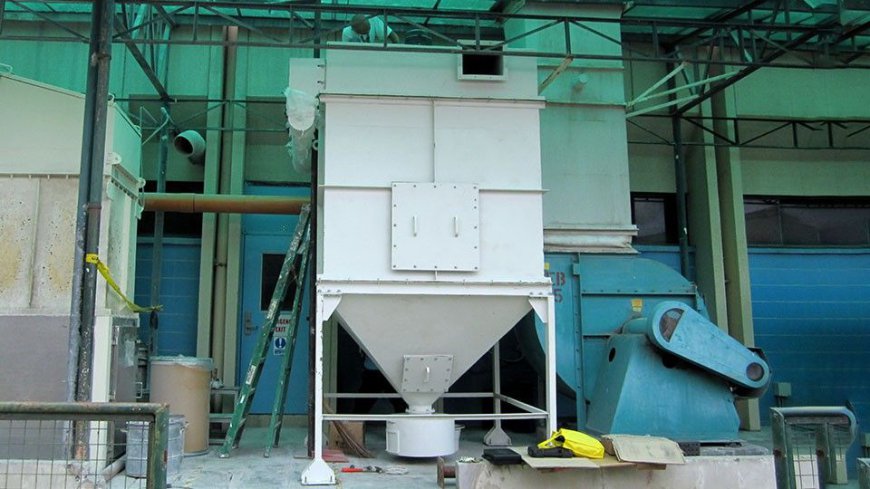
If you have ever walked through a busy manufacturing plant you have probably noticed how quickly dust can become part of the working environment. Cutting grinding polishing drilling and material handling can all release particles into the air. Some dust settles on machines and floors while finer particles can stay suspended for longer.
For a factory dealing with this every day can be frustrating. Cleaning helps but it does not stop dust from being produced in the first place. A better approach is to capture it as close to the source as possible.
This is where a well-planned dust collection system becomes useful. Shimi Research provides filtration and dust-control solutions for industries looking for a Cartridge Filter Dust Collector Manufacturer Delhi.
Why Is Dust Collection Important in a Factory?
Every industrial process creates its own type of dust. A metalworking unit may produce particles during grinding while woodworking creates sawdust. Other processes can generate extremely fine particles that are difficult to see but can still spread around the production area.
When dust is allowed to move freely it can settle on machinery tools floors and finished products. Employees may then have to spend additional time cleaning the area.
Instead of waiting for dust to spread a collection system can capture it near the point where it is generated.
A Cartridge Dust Collector Delhi solution can be connected to selected machines or workstations to collect dusty air and send it through a filtration unit.
The idea is simple: control the dust before it becomes a larger housekeeping problem.
How Does a Cartridge Dust Collector Work?
The working process is easier to understand than it may first appear.
Dusty air enters the collector through an inlet. Inside the unit the air passes through filter cartridges. The filter material catches the dust particles while the cleaner air continues through the system.
As the cartridges collect dust the material gradually builds up on their surface. The system therefore needs a cleaning process to remove the accumulated dust and maintain effective filtration.
A Cartridge Filter System can be suitable for applications involving fine industrial particles but the exact design should always depend on the application.
The type of filter media airflow temperature moisture level and dust characteristics all influence the selection.
There is no single configuration that is ideal for every factory.
Which Industries Can Use Dust Collection Systems?
Dust collection has applications across a wide range of industries.
Metal fabrication shops may need to control particles produced during grinding cutting or polishing. Woodworking facilities may deal with sawdust while mineral-processing operations can generate larger quantities of airborne material.
Other applications can include chemical processing pharmaceutical production food manufacturing and general industrial operations.
Suitable Dust Collection Equipment can help capture particles before they travel across the production floor.
The size of the system depends on the facility. A small workshop might need extraction for only one or two machines while a larger plant could require several collection points connected to a central unit.
The important thing is to design the system around the actual production process.
What Should You Ask Before Buying a Dust Collector?
Choosing industrial filtration equipment should not be a rushed decision. The system needs to work with the factory rather than simply occupy space inside it.
Before making a purchase businesses should consider questions such as:
- What type of dust is being produced?
- How fine are the particles?
- How much dust is generated?
- How much airflow is required?
- How many machines need extraction?
- What temperature does the process generate?
- How much space is available?
- How will the collected material be removed?
- How often will maintenance be required?
- Will the factory expand in the future?
Businesses searching for an Industrial Dust Collector India solution can use these questions as a starting point.
Understanding the process first makes it easier to discuss the right equipment with a supplier.
Why Should Dust Be Collected Near the Source?
Consider a workshop where a grinding machine runs for several hours each day. If there is no nearby extraction the dust produced by that machine can quickly move into the surrounding area.
Once it spreads collecting it becomes much harder.
Source extraction solves this problem by placing the collection point close to the machine. Dusty air can be drawn away before it has an opportunity to travel too far.
A suitable Dust Extraction System Delhi can help industries create this type of setup.
The ducting collection points and airflow should be planned carefully. A system that looks good on paper may still perform poorly if the extraction points are badly positioned.
Machine location duct length bends airflow requirements and maintenance access all matter.
How Does Dust Control Connect With Pollution Control?
Dust collection is not only about keeping the factory floor clean. It can also be part of a broader industrial pollution-control strategy.
During manufacturing airborne particles can be released from different processes. Suitable Pollution Control Equipment Delhi can help industries manage these particles through appropriate filtration and extraction arrangements.
The exact solution depends on what the facility produces and what type of particles are involved.
For this reason businesses should avoid assuming that one standard system will work for every application. The production process needs to be understood first.
What Is the Role of Air Filtration and Ventilation?
People often use the terms filtration and ventilation together but they have different purposes.
Filtration is mainly concerned with removing unwanted particles from an air stream. Ventilation deals more with how air moves through a building or production area.
A good industrial setup may need both.
When businesses consider Air Filtration Systems Delhi they should think about the complete airflow pattern inside the facility.
For example a large manufacturing plant may have several dust-producing machines connected to one central filtration unit. A smaller workshop might find separate systems more suitable.
The right arrangement depends on the factory layout process requirements and amount of dust being generated.
Why Is Choosing the Right Filter Important?
Not all dust behaves in the same way.
Some particles are large and heavy while others are extremely fine. Some materials may also have moisture heat or other characteristics that affect filtration.
This is why filter selection deserves attention.
The filter media should be appropriate for the material being collected and the conditions in which the system will operate.
Choosing the correct filter from the beginning can make a noticeable difference to system performance and maintenance requirements.
It is better to discuss the actual material and process with the supplier rather than selecting a filter based only on its appearance or general specifications.
Why Consider Shimi Research?
Shimi Research provides industrial filtration and dust-control solutions for different manufacturing and processing requirements.
The company understands that dust collection is not a one-size-fits-all job. A metalworking plant may need a different approach from a woodworking facility while a chemical or pharmaceutical application may have its own specific requirements.
As a dust collector manufacturer Shimi Research focuses on understanding the application before suggesting suitable equipment.
Factors such as dust characteristics airflow production process machine layout installation space and maintenance requirements can all be considered while planning a system.
This application-focused approach can help businesses choose equipment that makes sense for their actual working environment.
How Can Regular Maintenance Make a Difference?
Even a good filtration system needs regular attention.
Filters should be checked periodically collected dust should be removed when required and ducting should be inspected for blockages or leakage.
Operators should also keep an eye on airflow and general system performance. If the system begins behaving differently investigating the issue early can prevent a small problem from becoming a bigger one.
Maintenance does not have to be complicated. A simple routine inspection schedule can help keep the equipment in better working condition.
Should You Plan for Future Expansion?
This is something businesses sometimes overlook.
A factory may have five dust-producing machines today and ten a few years later. If the original system was designed with no room for expansion upgrading it later may become difficult.
Thinking about future production during the initial planning stage can make things easier.
Businesses can discuss possible expansion with the supplier and consider whether additional collection points or capacity may be required later.
This does not mean buying an oversized system from day one. It simply means leaving room for sensible future changes.
Conclusion
Dust is a normal part of many industrial processes but managing it does not have to be a daily struggle. Capturing particles close to their source and filtering the collected air can make the overall production environment easier to manage.
For businesses searching for a Cartridge Filter Dust Collector Manufacturer Delhi Shimi Research offers industrial filtration and dust-control solutions for different applications.
The right system should be based on the actual dust production process airflow requirement factory layout and operating conditions. What works for one industry may not work for another.
With the right planning suitable filtration equipment and regular maintenance businesses can create a dust-control setup that becomes a natural part of their production process rather than another thing employees have to worry abou