How NDIS SDA Homes in Western Sydney Work With Other NDIS Supports
Choosing NDIS SDA homes Western Sydney should not be viewed as a housing decision alone.
 ccarehomeaus
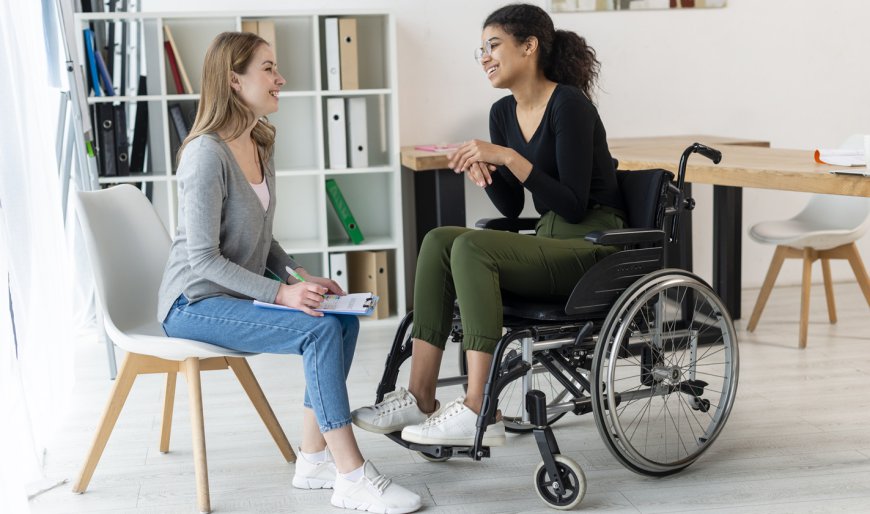
Finding the right home is an important part of creating a comfortable and supportive life for a person with disability. While Specialist Disability Accommodation (SDA) provides a suitable physical home, many participants may also need other NDIS supports to manage daily activities and work towards their personal goals. Understanding how these supports work together can make housing decisions easier.
For eligible participants, NDIS SDA homes Western Sydney can provide specialised housing designed around significant disability-related needs. SDA is the accommodation component, while other NDIS supports can assist with personal care, daily activities, community participation and other needs.
Understanding the Role of SDA
Specialist Disability Accommodation is designed for NDIS participants who have extreme functional impairment or very high support needs. SDA properties can include specialised features such as accessible entrances, wider doorways, accessible bathrooms and other design features.
The purpose of NDIS SDA homes Western Sydney is to provide an appropriate physical environment. SDA does not generally provide the personal support a participant may need throughout the day.
This difference is important when planning a complete support arrangement.
SDA and Supported Independent Living
Supported Independent Living (SIL) can work alongside SDA for participants who require regular assistance with daily tasks. SIL may provide support with activities such as cooking, personal care, cleaning and developing everyday living skills.
The SDA provides the physical home, while SIL can provide the support needed to live there. They are separate supports and should not be treated as the same service.
For some eligible participants, combining NDIS SDA homes Western Sydney with appropriate daily living support can create a more suitable living arrangement.
SDA and Personal Care
Some participants may need help with personal activities such as showering, dressing, eating or moving around the home.
Depending on the participant's NDIS plan and circumstances, personal care support may be provided separately from SDA. An accessible SDA property can make these support activities easier and safer for both the participant and their support worker.
For example, a bathroom with suitable accessibility features can provide enough space for a participant and support worker to complete personal care routines.
SDA and Community Participation
A suitable home should also support a participant's connection with the community. Other NDIS supports may help participants attend appointments, visit friends, take part in recreational activities or access community services.
The location of NDIS SDA homes Western Sydney can be important here. A property located near public transport, shops, medical services and community facilities may make it easier to participate in everyday activities.
This can support goals related to independence and community involvement.
SDA and Assistive Technology
Some participants may use assistive technology or equipment to complete everyday activities. Depending on their needs and NDIS funding, these supports may work alongside an SDA property.
For example, a participant may use mobility equipment inside a home designed with suitable doorways and movement areas. Some High Physical Support SDA properties may also include provisions for specialised technology.
The home and equipment should work together rather than create additional barriers.
SDA and Support Coordination
Support coordination can help participants understand and manage different supports. A support coordinator may assist with connecting housing arrangements with other services and helping the participant understand their options.
When exploring NDIS SDA homes Western Sydney, support coordinators may also help participants compare suitable properties and consider whether the living arrangement aligns with their goals.
The participant remains at the centre of the decision-making process.
SDA Does Not Cover Every Living Expense
It is important to understand what SDA does and does not cover. SDA funding is intended to pay the SDA provider for the specialised accommodation component. Participants generally have other costs, such as rent contributions and everyday household expenses.
Other NDIS supports, such as personal care or daily living assistance, are separate from SDA and depend on the participant's circumstances and plan.
Understanding these differences can help participants avoid confusion about their funding.
Creating a Person-Centred Living Arrangement
The best combination of supports depends on the participant's individual needs. One person may require daily assistance, while another may need occasional support and assistive technology.
NDIS SDA homes Western Sydney can provide the specialised physical environment, while other appropriate NDIS supports can help participants manage everyday life within that environment.
At Christian Care, a person-centred approach focuses on understanding individual needs, preferences and goals. The aim is to help participants access suitable support arrangements that respect their choices and promote independence.
Choosing the Right Combination of Supports
Choosing NDIS SDA homes Western Sydney should not be viewed as a housing decision alone. Participants should consider how the property will work with their other supports, daily routines and long-term goals.
By understanding the separate roles of SDA, SIL, personal care, assistive technology, support coordination and community participation supports, participants and families can make more informed decisions.
A well-planned living arrangement can provide a comfortable home while helping the participant build confidence, maintain routines and enjoy greater choice in everyday life.