Small Gestures That Can Brighten a Patient’s Day in NYC

Discover simple ways to brighten a hospital patient's day with thoughtful gifts, flowers, messages, visits, and practical support.

Small Gestures That Can Brighten a Patient’s Day in NYC

A hospital stay can make an ordinary day feel long and unfamiliar. A short visit, thoughtful message, favorite book, or small bouquet can give a patient something positive to look forward to.

The most meaningful gestures do not have to be expensive. What matters is choosing something that fits the patient's situation and lets them know they are being remembered.

Send a Thoughtful Flower Arrangement

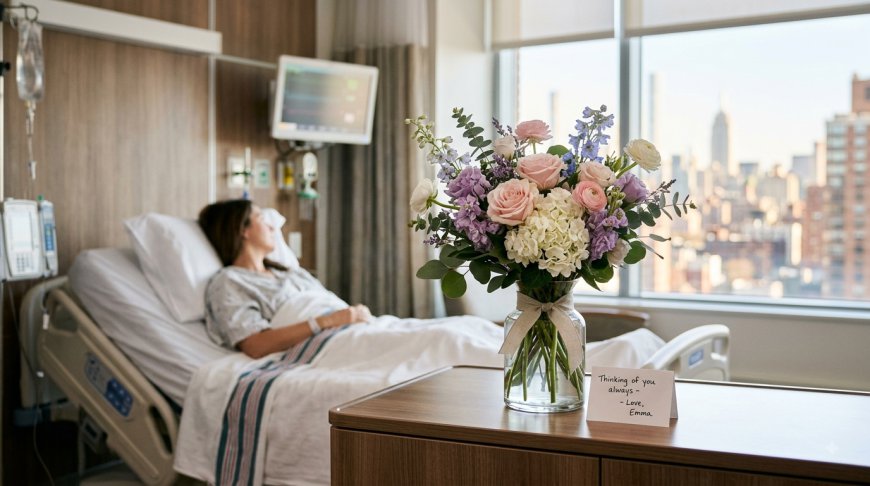
Flowers can add color and warmth to a patient's surroundings. If the patient's hospital unit permits flowers, a small arrangement can be a simple way to show support.

Choose flowers based on the recipient's preferences when possible. Their favorite color, flower, or seasonal arrangement can make the gift feel more personal.

For someone receiving care at Memorial Sloan Kettering Cancer Center, Sloan Kettering gift shop can be a useful option when you are looking to send flowers or a thoughtful gift.

Before ordering, confirm the patient's current location and whether flowers are permitted in that area. Specialized treatment units may have different rules from standard patient rooms.

Write a Short Personal Message

A handwritten card can brighten someone's day without taking up much space.

You could write:

Thinking of you today and hoping you are feeling a little stronger each day.

A personal message does not need to be long. Mentioning a shared memory, favorite activity, or something you are looking forward to doing together can make it more meaningful.

If the patient is tired, avoid putting pressure on them to respond.

Bring Their Favorite Book

A hospital stay often includes periods of waiting and resting. A favorite book can provide a welcome distraction.

You could also choose:

  • A magazine
  • A puzzle book
  • A crossword book
  • A journal
  • An audiobook
  • An e-reader, if appropriate

Choose something based on what the patient normally enjoys rather than assuming they want reading material.

Send a Small Comfort Gift

Simple comfort items can be useful during a hospital stay.

Depending on the patient's circumstances and hospital policies, consider:

  • Soft socks
  • A sleep mask
  • Lip balm
  • A small notebook
  • Comfortable clothing for home
  • A lightweight blanket

The National Cancer Institute includes practical comfort items such as blankets, eye masks, books, magazines, and activities among possible gifts for someone receiving cancer treatment. 

Bring Something Familiar From Home

Hospital surroundings can feel unfamiliar. A small personal item can make the environment feel more comfortable.

A favorite photograph, small book, handwritten note, or another meaningful personal item may provide a connection to normal life.

Before bringing anything, make sure the item is practical and permitted in the patient's current care area.

Send a Message Just Because

You do not need a special occasion to contact someone in the hospital.

A quick text can remind them that people are thinking about them:

Just checking in and sending you good thoughts. No need to reply.

This can be particularly helpful when the person is too tired for a phone call or visit.

Regular, low-pressure messages can help someone feel connected without requiring them to have a conversation.

Offer Specific Help

Instead of asking generally whether the patient needs anything, offer to handle a particular task.

For example:

  • "I can bring you dinner tomorrow."
  • "I can pick up your prescription."
  • "I can take care of your groceries."
  • "I can drive you to your appointment."
  • "I can look after your pet."

The National Cancer Institute recommends practical assistance such as transportation, meal preparation, and help with everyday activities when supporting someone during cancer treatment.

Specific offers are easier to accept because the patient does not have to figure out what to ask for.

Make a Short Visit

If visitors are allowed and the patient feels up to it, even a short visit can brighten their day.

You do not need to plan a long conversation. Sit with them, talk about ordinary things, or simply keep them company.

Pay attention to their energy. If they seem tired, let them rest.

Talk About Something Other Than Treatment

Cancer treatment can become the focus of nearly every conversation.

Sometimes patients appreciate talking about completely ordinary things instead.

Discuss a favorite TV show, a funny family story, a pet, a hobby, travel plans, or something happening in your shared circle of friends.

A normal conversation can provide a useful break from medical discussions.

Bring an Approved Snack

If the patient's diet allows it, a favorite snack can be a small comfort.

Always check first. Treatment, surgery, medication, allergies, or dietary restrictions can affect what a patient is allowed to eat.

If you are unsure, choose a non-food gift instead.

Help the Caregiver Too

The patient's caregiver may also be having a difficult time.

Offering to bring them a meal, run an errand, or give them a short break can help reduce some of the pressure they are carrying.

The National Cancer Institute provides resources for caregivers and emphasizes that caring for someone with cancer can involve significant practical and emotional responsibilities. 

Supporting the caregiver can indirectly make things easier for the patient as well.

Avoid Overwhelming the Patient

A thoughtful gesture should not create additional work.

Avoid sending oversized gifts, items that require maintenance, or anything the patient may struggle to store.

A small bouquet, card, book, or practical item can often have more value than a large gift basket.

Respect Their Need for Space

Some days a patient may want visitors. Other days they may prefer to sleep or spend time alone.

Respect their wishes.

If they decline a visit or do not respond to your message, do not assume they are upset with you. Treatment and recovery can be exhausting.

Let them know you are available whenever they feel ready.

Think Beyond the Hospital Stay

Support can be especially valuable after the patient leaves the hospital.

Offer to help with groceries, meals, transportation, household tasks, or follow-up appointments if appropriate.

You can also continue sending occasional messages or checking in after the initial excitement of returning home has passed.

Make the Gesture Personal

The best small gesture is usually one that shows you know the person.

If they love flowers, choose an arrangement in their favorite colors. If they enjoy reading, send a book. If they prefer practical help, offer to handle an errand.

You do not need to spend much money to make someone feel cared for.

A Small Gesture Can Make a Difference

Brightening a patient's day can be as simple as sending flowers, writing a card, bringing a favorite book, or offering practical help.

If you are considering a Sloan Kettering gift shop option, first confirm the patient's current location and whether flowers or other gifts are permitted in their care area. A small, thoughtful gesture that fits their circumstances can be much more meaningful than an elaborate present.

The goal is simple: give the patient a reason to smile, feel connected, or have one less thing to worry about during recovery.