Antibody-mediated Rejection Market Size, Trends, and Growth Forecast 2026-2033
The Antibody-mediated Rejection market is witnessing significant industry growth due to advancements in transplant immunology and increasing kidney and heart transplant procedures worldwide. Emerging therapies and diagnostic innovations are driving the market dynamics, creating substantial market opportunities amid growing clinical demands.
 coherentmi21
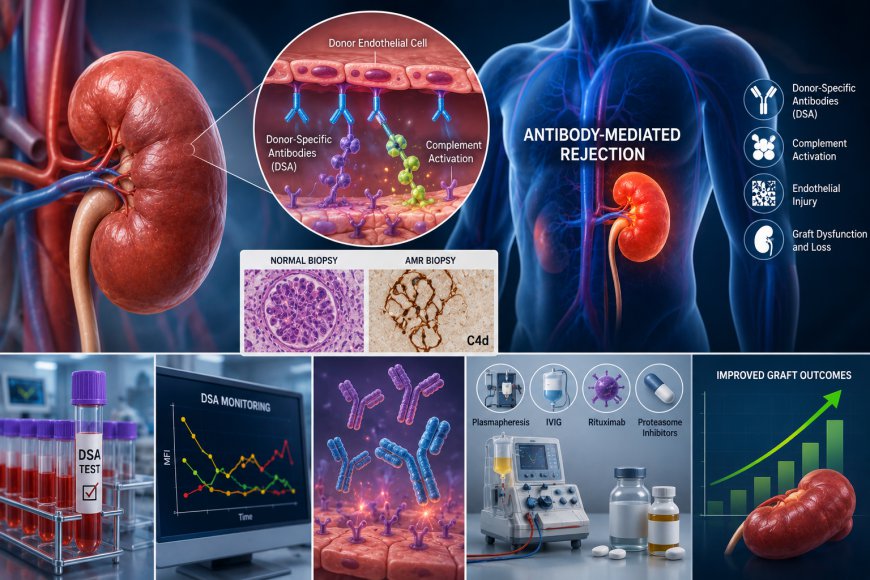
The Antibody-mediated Rejection market is witnessing significant industry growth due to advancements in transplant immunology and increasing kidney and heart transplant procedures worldwide. Emerging therapies and diagnostic innovations are driving the market dynamics, creating substantial market opportunities amid growing clinical demands.
Market Size and Overview
The antibody-mediated rejection market is estimated to be valued at USD 142.7 Mn in 2025 and is expected to reach USD 331.6 Mn by 2032, growing at a compound annual growth rate (CAGR) of 12.8% from 2025 to 2032.
This Antibody-mediated Rejection Market Report illustrates robust market revenue expansion fueled by improved therapeutic options and diagnostic techniques to manage rejection episodes post organ transplantation. Market insights suggest rising awareness alongside growing healthcare infrastructure in emerging economies as pivotal factors expanding the industry size and scope.
Market Drivers
- Increasing incidence of organ transplantation, especially kidney and heart transplants, is a major market driver for antibody-mediated rejection therapies.
- For instance, according to recent 2024 healthcare data, over 90,000 kidney transplants were performed globally, with antibody-mediated rejection accounting for approximately 15-20% of graft failures, emphasizing urgent need for advanced treatment and monitoring solutions.
- Enhanced precision medicine approaches and targeted biologics, such as monoclonal antibodies, have advanced patient outcomes, expanding market growth strategies focused on research and development investments.
PEST Analysis
- Political: Government policies promoting organ donation and transplantation infrastructure have been strengthened in 2025, particularly in North America and Europe, encouraging investment in antibody-mediated rejection treatment development.
- Economic: Rising healthcare expenditure in developing markets like India and Brazil is supporting market companies’ expansion plans, stimulating market revenue and business growth.
- Social: Increasing patient awareness of transplant complications and early diagnosis benefits is improving adoption rates of antibody-mediated rejection treatments, positively influencing market dynamics.
- Technological: Breakthroughs in immunosuppressive therapies and diagnostic assays propelled by AI and molecular biology innovations in 2024-2025 are accelerating market growth and improving clinical outcomes.
Promotion and Marketing Initiatives
Recent efforts by leading market players include extensive collaborations with hospitals and transplant centers to educate healthcare professionals on early antibody-mediated rejection detection. For example, in early 2025, Pfizer initiated targeted awareness campaigns integrating digital platforms and continuing medical education (CME) programs, significantly enhancing physician engagement and boosting adoption rates of their antibody-mediated rejection therapeutic portfolio.
Key Players
- CSL Behring
- Hansa Biopharma AB
- Viela Bio
- Janssen Biotech
- Pfizer
Recent market growth strategies adopted by these market players include:
- CSL Behring’s 2025 launch of novel biologics designed to reduce antibody-mediated rejection incidences has been met with favorable clinical trial outcomes, expanding their market share.
- Hansa Biopharma AB’s strategic partnership with transplantation centers in Europe has improved patient monitoring protocols, enhancing market revenue streams in 2024.
- Viela Bio’s expansion into Asia-Pacific markets supported by increased local clinical trials is anticipated to strengthen their business growth through 2026.
- Janssen Biotech’s investment in next-generation diagnostic platforms in 2025 has enriched market insights and competitive positioning.
- Pfizer’s portfolio expansion through acquisitions and technology integration in 2024-2025 is reinforcing their industry size and market scope.
FAQs
1. Who are the dominant players in the Antibody-mediated Rejection market?
The dominant players include CSL Behring, Hansa Biopharma AB, Viela Bio, Janssen Biotech, and Pfizer, recognized for their innovative therapies, strategic partnerships, and geographic expansions driving market growth.
2. What will be the size of the Antibody-mediated Rejection market in the coming years?
The market is expected to grow from USD 142.7 million in 2026 to approximately USD 331.6 million by 2033, at a CAGR of 12%, driven by increased transplant procedures and advancements in therapeutic solutions.
3. Which end-user segment has the largest growth opportunity within the market?
The kidney transplant segment demonstrates the largest growth opportunity due to high transplant volumes and significant incidence of antibody-mediated rejection, necessitating advanced treatment options.
4. How will market development trends evolve over the next five years?
Market trends will focus on precision medicine, innovative biologics, and enhanced diagnostic technologies. Emphasis on early detection and personalized therapies will continue to define the market dynamics through 2033.
5. What is the nature of the competitive landscape and challenges in the Antibody-mediated Rejection market?
The competitive landscape is characterized by high research intensity and collaborations. Key challenges include managing treatment costs and regulatory hurdles for novel therapies, which market players are actively addressing through innovation.
6. What go-to-market strategies are commonly adopted in the Antibody-mediated Rejection market?
Strategies involve partnerships with transplant centers, educational initiatives for healthcare providers, targeted digital marketing campaigns, and expanding clinical trial networks to enhance product acceptance and market penetration.
‣ Get this Report in Japanese Language: 抗体介在性拒絶反応市場
‣ Get this Report in Korean Language: 항체매개거부시장
About Author:
Alice Mutum is a seasoned senior content editor at Coherent Market Insights, leveraging extensive expertise gained from her previous role as a content writer. With seven years in content development, Alice masterfully employs SEO best practices and cutting-edge digital marketing strategies to craft high-ranking, impactful content. As an editor, she meticulously ensures flawless grammar and punctuation, precise data accuracy, and perfect alignment with audience needs in every research report. Alice's dedication to excellence and her strategic approach to content make her an invaluable asset in the world of market insights.