Benefits of Organic Bread Flour: Is It Worth the Extra Cost
Organic flour comes with tons of health benefits, but can be quite pricy. The question is, is it worth the extra cost?
 raaaaachoh
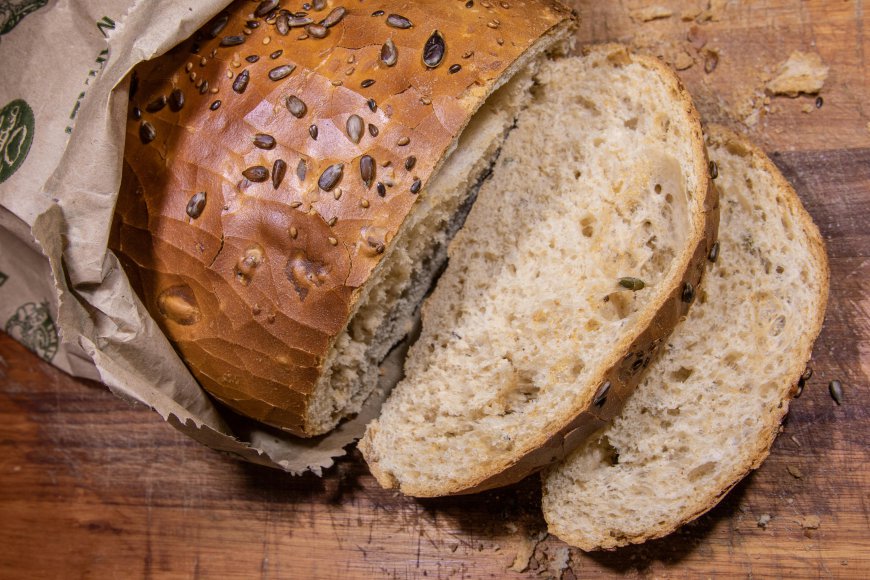
If you’ve ever stood in the baking aisle comparing prices, you’ve probably noticed that organic options often cost more than regular ones. When it comes to bread flour, the price difference can make you wonder: Is organic bread flour really worth the extra cost?
For home bakers and small business owners alike, choosing the right bread flour can make a noticeable difference in texture, flavour, and even peace of mind. In this article, we’ll explore what organic bread flour is, how it compares to conventional bread flour, and whether the benefits justify the higher price.
What Is Organic Bread Flour?
Bread flour is a high-protein flour specifically milled for yeast breads. The higher protein content (usually 12–14%) helps develop strong gluten, which gives bread its chewy texture and structure.
Organic bread flour is made from wheat grown without synthetic pesticides, herbicides, or genetically modified organisms (GMOs). Organic farming also focuses on soil health, crop rotation, and environmentally sustainable practices.
In short, organic bread flour offers the same functional benefits as regular bread flour—but with different farming standards behind it.
1. Fewer Synthetic Chemicals
One of the main reasons people choose organic bread flour is to reduce exposure to synthetic pesticides and fertilisers. Organic farming standards limit or prohibit the use of many chemical inputs that are common in conventional agriculture.
While conventional wheat is considered safe within regulatory limits, some consumers prefer the added reassurance of organic certification. For families baking frequently at home—especially with children—this peace of mind can be worth the extra cost.
2. Potentially Better for the Environment
Organic farming practices are designed to support long-term soil health and biodiversity. Techniques such as composting, crop rotation, and natural pest control methods can reduce environmental impact.
By choosing organic bread flour, you’re supporting agricultural systems that aim to:
-
Improve soil fertility naturally
-
Reduce water contamination
-
Promote biodiversity
-
Limit chemical runoff
For environmentally conscious bakers, this broader impact is a strong reason to choose organic.
3. Richer, More Natural Flavour
Many bakers report that organic bread flour produces bread with a slightly richer or more complex flavour. While flavour differences can be subtle, wheat grown in healthy soil may develop more nuanced taste characteristics.
This is especially noticeable in:
-
Sourdough bread
-
Artisan loaves
-
Rustic country-style breads
When the flour is a key ingredient (rather than hidden in heavily sweetened baked goods), the quality of the wheat becomes more apparent.
4. Strong Gluten Structure for Artisan Baking
Like conventional bread flour, organic bread flour has high protein content. This means you still get:
-
Excellent gluten development
-
Better rise
-
Chewy crumb
-
Strong dough elasticity
For bakers aiming to create bakery-style loaves at home, organic bread flour performs just as well—sometimes even better—depending on the milling process.
5. Minimal Processing and Additives
Some conventional flours may be bleached or treated with additives to improve texture and shelf life. Organic bread flour is typically unbleached and minimally processed.
This can appeal to people who prefer:
-
Short ingredient lists
-
Less industrial processing
-
More “whole” food choices
Although many conventional flours are perfectly safe, some bakers appreciate the simplicity and transparency that organic labelling provides.
6. Supports Sustainable and Ethical Farming
Choosing organic bread flour can also be a way to support smaller farms and sustainable supply chains. Organic certification often requires stricter farming and labour standards.
When you purchase organic products, you may be contributing to:
-
Fairer farming practices
-
Reduced environmental strain
-
Sustainable agricultural communities
For some consumers, this ethical factor alone justifies the higher price.
7. Is Organic Bread Flour More Nutritious?
This is one of the most common questions.
Nutritionally, organic and conventional bread flour are usually very similar in terms of:
-
Calories
-
Carbohydrates
-
Protein
-
Fiber
Some studies suggest that organic grains may contain slightly higher levels of certain antioxidants or micronutrients, but differences are often modest.
If you’re choosing organic purely for nutritional superiority, the difference may not be dramatic. However, if you value overall farming practices and reduced chemical exposure, the benefits may extend beyond basic nutrition.
8. The Cost Factor: Is It Worth It?
Organic bread flour typically costs more due to:
-
Lower crop yields
-
More labour-intensive farming
-
Certification costs
-
Smaller production scale
The real question is whether the benefits align with your priorities.
It may be worth it if:
-
You bake frequently and care about ingredient quality
-
You prefer organic produce in general
-
You are environmentally conscious
-
You enjoy artisan or sourdough baking
It may not be necessary if:
-
You bake occasionally
-
You are on a tight budget
-
Flavour differences aren’t noticeable to you
Some bakers compromise by using organic bread flour for special recipes (like sourdough or holiday loaves) and conventional flour for everyday baking.
9. Who Should Consider Organic Bread Flour?
Organic bread flour may be especially appealing to:
-
Home bakers focused on clean eating
-
Families trying to reduce chemical exposure
-
Small bakery businesses marketing artisan or organic products
-
Environmentally conscious consumers
If baking is a hobby you’re passionate about, upgrading your bread flour might be a small change that brings noticeable satisfaction.
Final Verdict: Is It Worth the Extra Cost?
Whether organic bread flour is worth the extra cost depends on what matters most to you.
From a performance standpoint, organic bread flour works just as well as conventional bread flour. You’ll still get excellent gluten structure, beautiful rise, and chewy texture.
From a health and environmental standpoint, organic options may offer added peace of mind and support more sustainable farming practices. The flavour may also feel slightly more robust in artisan-style breads.
If you bake regularly and value ingredient sourcing, organic bread flour can be a worthwhile investment. But if budget is your top concern, conventional bread flour can still produce excellent results.
At the end of the day, the best bread flour is the one that fits your baking goals, budget, and personal values.