Best Insulation To Keep Mice Out (And Why Most People Get This Wrong)
 walaeric704@gmail.com
Mice are sneaky little things, way sneakier than most people give them credit for. You can seal up what you think is every hole in your house and still end up with mice somehow, and a big part of that comes down to what's actually behind your walls, meaning your best insulation to keep mice out insulation. Let's get into it.
Why Mice Love Your Insulation Specifically
Standard insulation is soft, warm, and basically effortless for a mouse to tunnel through and build a nest in. It's honestly like handing them pre-made bedding material, they don't have to work for it at all. Once they're settled in there, they'll keep expanding their little network through it, which is part of why mouse problems can spread through a house faster than people expect.
Size Is The Real Problem With Mice
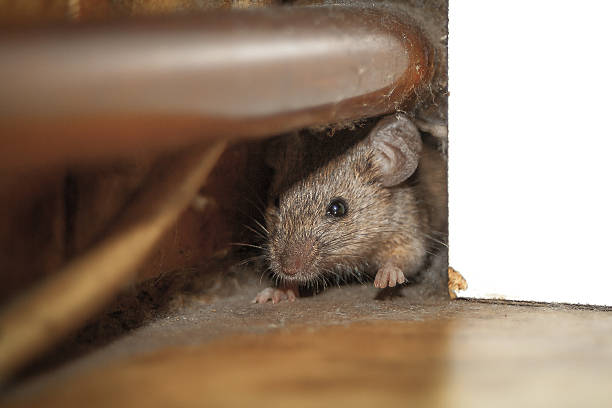
This is the part that catches people off guard the most. Mice can squeeze through openings about the size of a dime, seriously, that small. So even if you think your house is sealed up tight, there's probably a gap somewhere you haven't even considered, around a pipe, a vent, a spot where two materials meet that's shifted slightly over time.
Not All Insulation Is Created Equal Here

This is where things start to matter a lot. Regular fiberglass or loose fill insulation offers basically zero resistance, mice go through it like it's nothing. Insulation treated with borate or made from denser rodent resistant materials makes things considerably harder on them, it's not appealing to chew through and doesn't hold up as comfortable nesting material the way regular stuff does.
Rat Proof Insulation Isn't Just For Rats
A lot of people assume rat proof insulation is specifically built for the bigger rodent problem and won't help with mice, but that's not really accurate. The materials and treatments used to resist rats generally hold up against mice too, since the whole point is making the insulation less chewable and less appealing to nest in regardless of which rodent is trying. So if you're dealing with mice specifically, don't rule out insulation marketed toward rats, it usually does double duty.
Sealing Comes Before Any Insulation Upgrade
I really want to hammer this point home because it gets missed constantly. Upgrading your insulation without sealing entry points first is kind of pointless, mice will just find their way in and go nest somewhere else that's not treated instead, like inside a wall void or closet. The order matters, seal the house up properly, then handle the insulation, not the other way around.
Attics Get All The Attention, But Check Everywhere
People automatically think attic when they think insulation, but crawl spaces and wall cavities matter just as much, sometimes more since they're closer to ground level and easier for mice to access in the first place. A proper inspection covers every insulated space in the house, not just the one everyone remembers to check.
Moisture Makes Everything Worse
Damp conditions genuinely attract mice more than dry ones, it's just more comfortable and often means easier access to water too. Even with upgraded insulation, if there's a moisture issue in your attic or crawl space, you're still making the area more appealing than it needs to be. Fixing ventilation and moisture problems alongside an insulation upgrade honestly makes a bigger difference than people expect.
It Won't Make Your House Completely Mouse Proof
I don't want to oversell this, nothing makes a house one hundred percent guaranteed mouse proof, especially if access points exist anywhere. What resistant insulation actually does is remove the easy, comfortable option they're used to finding, which combined with sealing genuinely cuts down your odds significantly. It's one solid piece of a bigger strategy, not some standalone fix.
Replacing Contaminated Insulation Is Non Negotiable
If mice have already been living in your insulation, it's not really something you can just clean and reuse. Droppings, urine, and nesting material soak in and create both odor and potential health concerns that don't just go away with a surface clean. This is usually the point where upgrading to something more resistant just makes practical sense since you're already replacing it anyway.
DIY Installation Is Riskier Than People Assume
Getting insulation installed evenly, at the right thickness, and properly paired with sealing work takes more skill than a lot of people expect going in. A rushed job can leave gaps or thin spots that basically defeat the purpose of upgrading at all. This is one of those things where paying for proper installation actually protects the investment you just made.
Wrapping This Up
At the end of the day, keeping mice out really comes down to two things working together, sealing up every access point you can find and using insulation that actually resists chewing and nesting instead of practically inviting it. Skip either half and you're basically leaving the door open for them eventually. If you're dealing with a mouse problem right now or just trying to get ahead of one before it starts, Elite Wildlife Services can take a real look at your home and figure out exactly what needs sealing and what needs upgrading so you're not stuck dealing with this again next season.
FAQs
How small of a gap can mice actually fit through?
Mice can squeeze through openings about the size of a dime, which honestly surprises most homeowners. That's why a thorough inspection matters way more than just glancing around for obvious holes.
Does rat proof insulation work against mice too?
Yes, generally it does, since the resistance comes from materials that discourage chewing and nesting regardless of which rodent is involved. It's not exclusively built for rats even though that's often how it's marketed.
Can I just add resistant insulation without sealing my house first?
You could, but it won't do much good on its own if there's still easy access into the house. Mice will just find another spot to nest that isn't treated, so sealing really needs to happen first.
How do I know if my current insulation needs to be replaced?
Look for visible tunneling, droppings, matted or damaged areas, or any lingering odor in your attic or crawl space. If any of that's present, it's usually a sign the insulation is contaminated and needs to go.