The Digital Workplace Handbook: Premier Solutions for Team Collaboration
An essential guide evaluating leading software solutions to unify remote and hybrid organizations. It categorizes top platforms across real-time communication, visual project management, knowledge base curation, and enterprise security to help operations leaders streamline workflows and deploy the right team collaboration tools.
 sabarish
As organizations scale across borders and time zones, the virtual office has replaced physical headquarters as the center of daily operations. Building a high-functioning digital workplace requires choosing software that drives transparency, simplifies communication, and reduces administrative overhead.
This handbook breaks down essential platforms to optimize your tech stack and build a friction-free environment for modern, distributed workforces.
1. The Foundations of the Modern Digital Workplace
A successful digital workplace relies on software that mirrors the real-time interaction, structured planning, and collective knowledge of an in-person office. Moving away from isolated legacy applications toward integrated platforms ensures that information flows seamlessly across departments.
To support distributed teams, business leaders must prioritize software that emphasizes ease of use, platform interoperability, and enterprise-grade security. Establishing clear usage guidelines alongside these systems guarantees that employees remain productive without feeling overwhelmed by constant notification streams.
2. Real-Time and Asynchronous Communication Frameworks
Fast, reliable communication keeps projects moving forward. Modern organizations rely on a hybrid approach that balances real-time messaging with asynchronous video and text to avoid unnecessary meetings.
Core channels include:
-
Persistent Messaging Channels: Organized text chat rooms based on projects or departments that keep day-to-day discussions searchable and transparent.
-
Asynchronous Video Sharing: Screen-recording tools that allow team members to share visual walkthroughs and updates on their own schedules.
-
Virtual Meeting Hubs: High-definition video conferencing platforms for company-wide town halls, client presentations, and key one-on-one check-ins.
3. Visual Project Tracking and Task Execution
Without visibility into daily assignments, distributed teams risk missed deadlines and duplicate effort. Task management systems provide transparent dashboards where priorities, deadlines, and project owners are clearly displayed.
Leading project tracking frameworks offer:
-
Kanban Boards: Drag-and-drop card systems ideal for tracking continuous workflows and content pipelines.
-
Interactive Gantt Charts: Visual timelines built for complex, multi-stage projects requiring sequential dependencies.
-
Agile Task Lists: Sprint-focused tracking boards designed for technical development and software bug tracking.
Centralizing execution on shared project boards keeps all stakeholders aligned on deliverable milestones in real time.
4. Centralized Knowledge Bases and Documentation Hubs
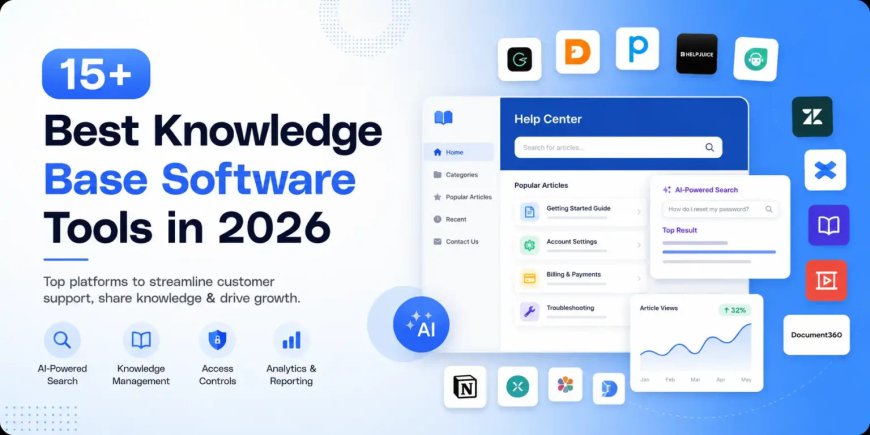
Context switching—searching through email threads, chat logs, and local folders for missing information—is a major source of lost productivity. A dedicated internal wiki or knowledge repository serves as a single source of truth for company policies, technical specs, and standard operating procedures.
Effective knowledge platforms offer real-time document co-authoring, automated tagging systems, and full-text search capabilities. When company data is indexed and accessible, onboarding new employees becomes faster and everyday workflows run smoothly.
5. Seamless Integrations and Workflow Automation
Using specialized applications across sales, engineering, and design can lead to operational silos if those platforms operate independently. Connecting your application ecosystem ensures that data moves automatically across software boundaries.
By leveraging native integrations and automated triggers, companies can automatically post project updates into messaging channels, convert customer emails into actionable task cards, and sync file uploads to central cloud archives. Automating routine administrative steps reduces manual data entry and prevents costly human error.
6. Enterprise Security and Data Governance Standards
Protecting proprietary company data across distributed devices is a critical requirement for every digital workplace. Implementing modern cloud software requires balancing accessible user controls with strict security compliance standards.
Essential security features to look for include:
-
Single Sign-On (SSO): Simplifying user access while enforcing central access management.
-
Role-Based Access Controls: Restricting folder and data permissions to authorized personnel based on job role.
-
Data Encryption & Compliance: Ensuring platforms adhere to enterprise security regulations like SOC 2 and GDPR to safeguard client and corporate privacy.
7. Combatting App Sprawl through Tech Stack Optimization
While adopting modern software drives efficiency, managing too many redundant tools causes app fatigue and fragmented communication. Operations leads must periodically review software usage to streamline their application portfolios.
Optimizing your software ecosystem involves auditing redundant feature sets across departments, establishing clear boundaries for tool usage, and choosing versatile solutions over narrow niche software. A curated, well-integrated software suite keeps teams focused on execution rather than managing software.
Conclusion
Building a competitive digital workplace requires selecting software that aligns with your organization's unique operational needs. By establishing connected frameworks for messaging, project management, knowledge management, and data security, companies can break down geographical barriers and elevate workforce productivity. Choosing high-performing