Bioidentical Hormone Replacement Therapy: What Nobody Really Tells You
Let's be honest for a second. If you've been Googling "bioidentical hormone replacement therapy" at 2 AM because you can't sleep, or your mood's been swinging like a pendulum
 walaeric704@gmail.com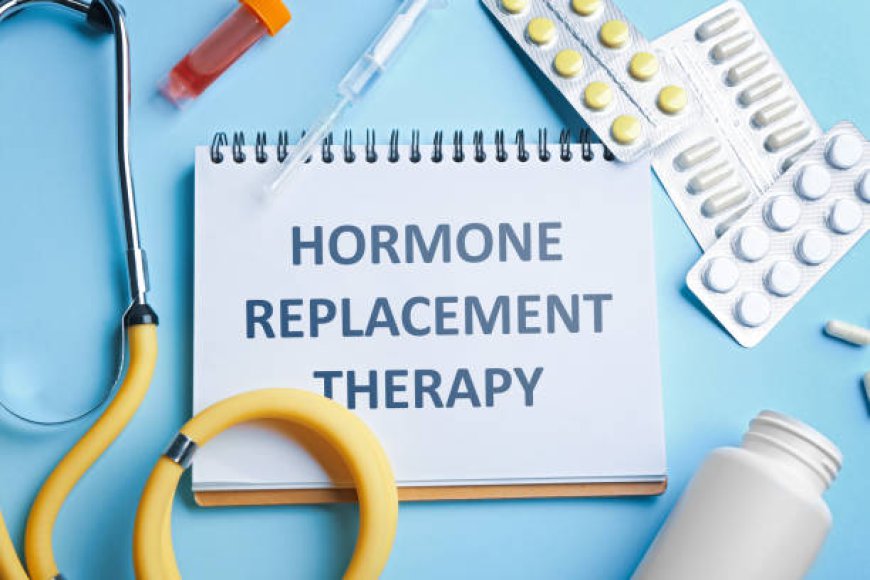
Let's be honest for a second. If you've been Googling "bioidentical hormone replacement therapy" at 2 AM because you can't sleep, or your mood's been swinging like a pendulum, or you just don't feel like yourself anymore — you're not alone. A lot of people land here after months of feeling "off" and getting told by everyone that it's just aging, just stress, just life. Sometimes it is. But sometimes it's hormones, and there's actually something you can do about it.
This isn't going to be one of those clinical articles that sounds like it was copy-pasted from a textbook. I want to walk through what bioidentical hormone therapy actually is, why people choose it, what it can (and can't) do, and how to think about whether it's right for you.

So What Even Is Bioidentical Hormone Replacement Therapy?
Okay, basics first. Bioidentical hormone replacement therapy — people usually just call it BHRT or hormone therapy — uses hormones that are chemically identical to the ones your body already makes. Not synthetic look-alikes. The real molecular structure, just made in a lab from plant sources like soy or yams.
Compare that to traditional hormone replacement, which sometimes uses hormones that are similar but not an exact match. Doesn't mean traditional HRT is bad or dangerous, it's just a different approach. The idea behind bioidentical hormones is that because they match what your body naturally produces, your body might process them a bit more like it would its own hormones. That's the theory anyway, and honestly a lot of patients report it just feels more natural to them.
Estrogen, progesterone, testosterone — these are the big three people usually talk about. But there's also DHEA and even thyroid hormones that get folded into hormone therapy plans depending on what your labs show.
Why Do People Even Start Looking Into This?
Most people don't wake up one day and decide "I want hormone therapy." It's usually a slow build. Maybe you're a woman in your 40s or 50s dealing with perimenopause or menopause — hot flashes, night sweats, brain fog, mood swings that come out of nowhere. Maybe you're a guy noticing your energy's tanked, your motivation is gone, and no amount of coffee fixes it. That could be low testosterone talking.
Symptoms that push people toward hormone replacement therapy usually include fatigue that doesn't go away no matter how much you sleep, weight gain around the middle that wasn't there before, low libido (this one's uncomfortable to talk about but it's huge), mood changes and irritability that feel disconnected from anything actually happening in your life, sleep problems, and brain fog, like you're constantly reaching for a word that won't come.
Here's the thing though — a lot of these symptoms overlap with other conditions. Thyroid issues, vitamin deficiencies, stress, even just poor sleep habits can mimic hormone imbalance. Which is why you really shouldn't just start hormones because a blog told you to (yes, even this one). Get bloodwork done. Talk to a provider who actually specializes in this stuff.
How Bioidentical Hormones Actually Get Into Your Body
There's more than one way to take bioidentical hormones, and honestly the delivery method matters more than people think.
Pellets are one popular option — tiny, rice-grain-sized pellets inserted under the skin, usually in the hip area, that slowly release hormones over a few months. No daily pills to remember, which a lot of busy people like. Creams and gels get applied to the skin daily. Patches work kind of similarly, sticking on and releasing hormones gradually. Then there's injections, which some people prefer because dosing can be adjusted more precisely. Pills exist too but honestly they're used less often for certain hormones because of how the liver processes them.
None of these is "the best" universally — it really depends on your lifestyle, your goals, and what your provider recommends based on your labs and symptoms.
Is It Actually Safe?
I'm gonna give you the real answer here, not the sales pitch: hormone therapy, bioidentical or not, isn't risk-free. Nothing that changes your body chemistry is completely without risk. That said, when it's done properly — meaning with actual lab testing, ongoing monitoring, and a provider who isn't just handing out prescriptions like candy — bioidentical hormone replacement therapy has a pretty solid track record for a lot of people.
The key word there is "properly." This is not a DIY project. This is not something you order off some sketchy website without bloodwork. You need someone tracking your hormone levels over time, adjusting doses, watching for side effects. Skip that part and yeah, you're taking on more risk than you need to.
Also worth saying — hormone therapy isn't magic. It's not going to fix every problem in your life. If your marriage is falling apart or your job is draining you dry, hormones aren't gonna solve that. But if your body chemistry is genuinely out of whack, correcting it can make everything else feel more manageable.
Who's a Good Candidate?
Generally, people going through perimenopause or menopause, men with confirmed low testosterone, and folks with diagnosed adrenal or thyroid-related hormone issues tend to be the most common candidates. Age isn't really the deciding factor — it's your actual hormone levels and symptoms together. Some people in their late 30s need hormone support. Some people in their 60s don't. It's individual, and that's exactly why guessing is a bad idea.
What to Actually Expect If You Start
Don't expect overnight miracles. Most people start noticing changes somewhere between a few weeks to a couple months in, depending on the delivery method and your starting point. Energy tends to come back first for a lot of folks. Sleep and mood often follow. Libido and weight changes usually take longer because those are more complex systems in your body.
And expect adjustments. Your first dose probably won't be your final dose. Hormone therapy is kind of a moving target — your provider will likely tweak things based on how you're responding and what your follow-up labs show.
Bottom Line
Bioidentical hormone replacement therapy isn't some trendy fad, even though it gets talked about that way sometimes online. For the right person, with the right monitoring, it can genuinely change how you feel day to day — more energy, better sleep, steadier mood, more like "you" again. But it's not something to jump into blind. Get tested. Find a provider who actually knows what they're doing. Ask questions. Don't settle for a five-minute consult and a prescription pad.
If you're tired of feeling exhausted, foggy, and not quite like yourself, it might be worth exploring whether hormone therapy could help. Reach out to the team at AB Hormone Therapy and get real answers instead of guesswork.

FAQs
1. How long does it take for bioidentical hormone replacement therapy to start working? It varies person to person, but most people report noticing some changes within a few weeks, with fuller effects showing up over one to three months. Energy and sleep tend to improve first; things like weight and libido usually take a bit longer.
2. Is bioidentical hormone replacement therapy the same as regular HRT? Not exactly. Bioidentical hormones are structurally identical to what your body naturally produces, while some traditional hormone therapy options use synthetic hormones that are similar but not molecularly the same. Both can be effective — it really comes down to personal preference and what your provider recommends.
3. Do I need bloodwork before starting hormone therapy? Yes, and honestly, run from anyone who says you don't. Proper hormone therapy starts with lab testing to see what's actually going on with your levels, then continues with follow-up testing to adjust your dose over time.
4. Can men use bioidentical hormone replacement therapy too? Definitely. It's not just for women going through menopause. Men dealing with low testosterone — fatigue, low libido, mood changes, loss of muscle mass — can benefit from bioidentical hormone therapy as well, once labs confirm it's actually needed.