Boat Rental Market Size, Share, and Growth Trends Analysis 2026-2033
 coherentmarket
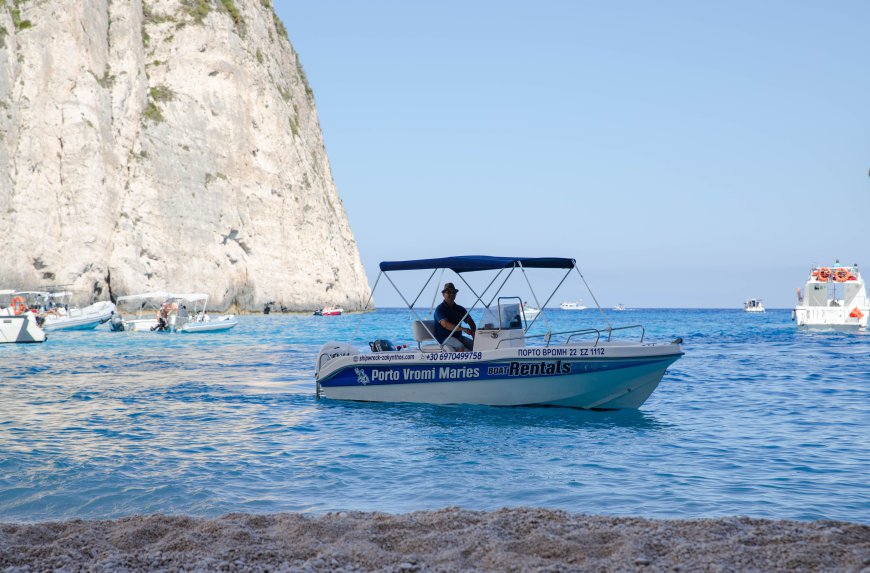
The boat rental market has witnessed significant traction driven by rising recreational boating activities and increasing demand for sustainable tourism options. This industry’s growth is shaped by evolving consumer preferences and advances in digital booking platforms, creating dynamic market trends and expanding market segments globally.
Market Size and Overview
The Global Boat Rental Market size is estimated to be valued at USD 25.39 billion in 2026 and is expected to reach USD 37.68 billion by 2033, exhibiting a compound annual growth rate (CAGR) of 5.8% from 2026 to 2033.
Increasing disposable income along with a surge in experiential travel fuels the expanding industry size. Enhanced connectivity through digital platforms and innovative rental models are significant drivers, offering expansive market opportunities, while growing environmental regulations encourage sustainable practices that shape Boat Rental Market Dynamics.
Current Event & Its Impact on Market
I. Impact of Post-Pandemic Tourism Recovery on Boat Rental Market
A. Regional Event: Southeast Asia Tourism Revival
Potential impact on Market: A rapid rebound in Southeast Asia’s cruise and leisure sectors has elevated demand for short-term boat rentals, increasing market revenue in the region substantially.
B. Nano-level Event: Technology-Driven Booking Enhancements at Regional Marinas
Potential impact on Market: Adoption of AI-powered reservation systems has streamlined customer experiences, boosting rental frequency and optimizing fleet utilization.
C. Macro-level Event: Global Shift Toward Sustainable Boating Practices
Potential impact on Market: Rising environmental regulations are pushing companies to invest in electric and hybrid boats, impacting market growth strategies toward eco-friendly rental fleets.
II. Geopolitical and Economic Events Influencing the Boat Rental Market
A. Trade Policies Affecting Yacht and Boat Manufacturing in the EU
Potential impact on Market: Tariff adjustments and supply chain restrictions have temporarily restrained availability of new boats, thus affecting market supply and market share distribution.
B. Regional Economic Instability in Latin America
Potential impact on Market: Economic slowdowns in key countries have suppressed consumer spending on luxury rentals, challenging local market companies’ revenue.
C. Technological Innovation in North America’s Boat Rental Platforms
Potential impact on Market: Strategic partnerships and investments in mobile-based rental apps have accelerated market growth and attracted younger demographics, influencing overall market growth.
Impact of Geopolitical Situation on Supply Chain
The ongoing maritime transport restrictions due to geopolitical tensions in the South China Sea have directly impacted the boat rental market’s supply chain. Manufacturers face delayed shipments of essential components such as engines and hull materials, leading to extended lead times and increased costs. For example, a major supplier based in Taiwan reported shipment delays of up to 12 weeks during 2024, causing rental companies in Europe and North America to postpone fleet expansions. This disruption constrained market revenue growth and necessitated strategic inventory adjustments by key market players to maintain service levels.
SWOT Analysis
Strengths:
· Strong consumer demand for leisure boating linked with rising experiential tourism in emerging markets.
· Expansion of digital platforms and mobile applications streamlining bookings and payments, enhancing customer engagement.
Weaknesses:
· Dependence on seasonal and regional tourism trends creates irregular cash flow and operational challenges.
· High maintenance and operational costs impacting profitability, especially for small rental operators.
Opportunities:
· Growing adoption of electric and hybrid boats offers market growth strategies aligned with sustainability trends and regulatory requirements.
· Expanding markets in Asia-Pacific and Latin America present untapped business growth potential for market companies.
Threats:
· Volatility in fuel prices and supply chain constraints driven by geopolitical tensions pose risks to operational continuity.
· Increasing competition from alternative water-based recreational services could restrain market share for traditional boat rental offerings.
Key Players
Significant market players actively shaping the boat rental market in 2024-2025 include GetMyBoat, Le Boat, Boatsetter, Navigare Yachting, ClickBoat, Yachtico, Sailo, Odyssey Boats, Zizoo, Incrediblue, SamBoat, GlobeSailor, Boatjump, Nautal, and Borrow A Boat. Notable strategic activities in 2025 include:
· GetMyBoat’s $50 million investment in AI-based predictive analytics to optimize fleet management, resulting in a 12% increase in rental utilization.
· Le Boat’s expansion into electric boat rentals in Europe, which supports market growth through eco-friendly offerings aligned with new market trends.
· Boatsetter’s strategic partnership with leading insurance providers enhancing user safety and increasing customer trust, boosting market revenue.
FAQs
1. Who are the dominant players in the Boat Rental Market?
Key market companies include GetMyBoat, Le Boat, Boatsetter, Navigare Yachting, and Yachtico, each actively investing in technology and expanding fleet offerings to capture larger market share.
2. What will be the size of the Boat Rental Market in the coming years?
The market size is projected to grow from USD 25.39 billion in 2026 to approximately USD 37.68 billion by 2033, reflecting a steady CAGR of 5.8% driven by increased demand in experiential and sustainable boating.
3. Which end-user industry has the largest growth opportunity in the Boat Rental Market?
The recreational tourism segment, particularly experiential water adventures and eco-tourism, offers the largest growth opportunities, supported by rising disposable incomes and evolving consumer preferences.
4. How will market development trends evolve over the next five years?
Market trends will shift towards integration of digital platforms, increased eco-friendly boat fleets, and diversification of rental options, emphasizing user convenience, sustainability, and safety enhancements.
5. What is the nature of the competitive landscape and challenges in the Boat Rental Market?
The competitive landscape is marked by increasing technological adoption and service diversification, while market challenges include supply chain disruptions, regulatory compliance, and seasonal demand fluctuations.
6. What go-to-market strategies are commonly adopted in the Boat Rental Market?
Market players generally leverage technology partnerships, fleet diversification including electric boats, and enhanced insurance offerings to improve customer retention and expand geographic reach.
➣ Get more insights on: Boat Rental Market
➣ Get this Report in Japanese Language: レンタルボート市場
➣ Get this Report in Korean Language: 보트대여시장
➣ Read More Related Articles: Key Trends in the Construction Equipment Rental Sector
About Author:
Alice Mutum is a seasoned senior content editor at Coherent Market Insights, leveraging extensive expertise gained from her previous role as a content writer. With seven years in content development, Alice masterfully employs SEO best practices and cutting-edge digital marketing strategies to craft high-ranking, impactful content. As an editor, she meticulously ensures flawless grammar and punctuation, precise data accuracy, and perfect alignment with audience needs in every research report. Alice's dedication to excellence and her strategic approach to content make her an invaluable asset in the world of market insights.