Designing Next-Generation B2B Experience Centres: A Strategic Blueprint for Enterprise Growth
Discover how enterprise brands design interactive B2B experience centres to turn complex solutions into engaging spatial narratives, shorten sales cycles, and drive pipeline growth.
 ViitorX
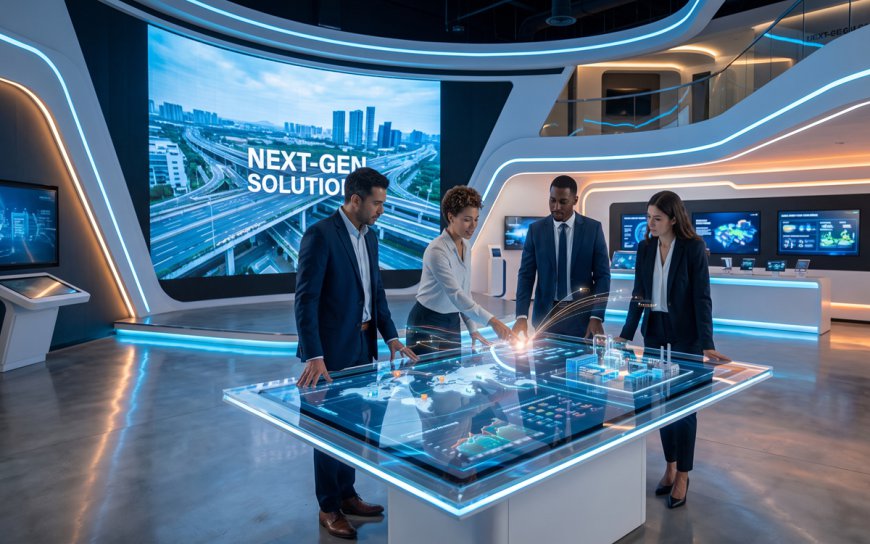
In today's competitive B2B enterprise landscape, closing multi-million-dollar deals requires far more than standard slide presentations, static product spec sheets, or scripted video reels. Modern enterprise decision-makers often comprising cross-functional committees of technical directors, financial officers, and executive leaders crave authentic, interactive engagement before committing significant capital.
As physical corporate headquarters and client innovation hubs evolve, forward-thinking organizations are transforming traditional executive briefing rooms into immersive storytelling environments. Industry pioneers and immersive technology experts like
The Evolution from Static Corporate Showrooms to Interactive Experience Hubs
For decades, legacy corporate showrooms relied heavily on static product display stands, printed display boards, and canned demo loops. However, this one-way communication format fails to resonate with contemporary buyers who conduct up to 70% of their research independently before ever meeting a sales team.
When high-value enterprise clients visit a corporate facility, they expect a curated, high-impact encounter tailored specifically to their operational bottlenecks and strategic growth ambitions.
An interactive experience centre flips the conventional presentation model upside down. Instead of subjecting executives to passive monologues, these spaces orchestrate multisensory buyer journeys.
By incorporating interactive media walls, spatial audio, projection mapping, and real-time digital simulations, enterprises can communicate complex architectures such as cloud infrastructures, industrial IoT networks, or automated supply chains in intuitive, visually compelling ways.
Strategic Pillars of an Effective B2B Experience Centre
Designing a successful B2B experience centre demands a deliberate balance of spatial architecture, hardware infrastructure, dynamic software, and emotional storytelling. To deliver consistent commercial value, enterprise teams must anchor their spatial strategy around four fundamental pillars:
1. Purpose-Built Narrative Zonation
A high-converting experience centre is never a random cluster of gadgets; it follows a clear psychological narrative arc. Successful spaces typically guide visitors through structured experiential zones:
-
The Welcome & Immersion Zone: Establishes brand context, company vision, and overarching industry trends through ambient visual installations.
-
The Problem-Discovery Theatre: Leverages interactive touch tables or gesture-controlled displays to illustrate specific market challenges and industry friction points.
-
The Solution Demonstration Hub: Features hands-on digital twin simulations, interactive product demos, and deep-dive architectural breakdowns.
-
The Collaboration & Deal-Closing Suite: A private, technologically equipped space where executive teams review custom ROI models, establish implementation roadmaps, and finalize agreements.
2. Scalable and Modular Experiential Technologies
Technology in an experience centre must serve the narrative, not overpower it. Deploying modular technology frameworks ensures that content remains dynamic, updatable, and customizable for diverse visiting accounts. Key technological components include:
-
Interactive Touch Surfaces and Video Walls: Ultra-high-definition interactive walls that allow visitors to explore case studies, product schematics, and industry workflows.
-
Digital Twins and 3D Visualizations: Real-time spatial models that visualize large-scale machinery, smart factories, or city infrastructures that cannot physically fit into a building.
-
Augmented and Virtual Reality (AR/VR): Immersive simulations that place visitors inside live operating environments, showcasing scenario testing and product performance under real-world stresses.
-
Smart Environmental Controls: Integrated lighting, acoustic management, and automated room configurations that adapt instantly to different presentation modes.
3. Dynamic Personalization for Tier-1 Accounts
One of the most potent advantages of digital experience centres is account-based personalization. With flexible content management system (CMS) backends and automated display protocols, presentation teams can rebrand digital signage, welcome messages, case study repositories, and demo workflows to match the exact visiting client within minutes.
This bespoke approach demonstrates acute preparation and respect for the client’s unique operational ecosystem.
Navigating the End-to-End Implementation Process
Building a world-class experiential facility requires seamless collaboration across architectural designers, software developers, systems integrators, and executive stakeholders. A robust deployment lifecycle involves several critical phases:
-
Strategic Discovery & Journey Mapping: Defining business objectives, identifying primary visitor personas, and charting end-to-end spatial pathways.
-
Concept Ideation & Spatial Architecture: Designing floor plans, sightlines, acoustics, lighting grids, and physical-to-digital touchpoints.
-
Software Development & Content Engineering: Building interactive applications, 3D assets, unified CMS platforms, and dynamic simulation engines.
-
Hardware Procurement & System Integration: Installing professional-grade displays, sensors, audio systems, and centralized control hardware.
-
Testing, Calibration & Staff Enablement: Conducting rigorous stress tests and training sales champions and executive facilitators to master spatial storytelling tools.
Measuring Tangible Business Impact and ROI
An experience centre represents a substantial strategic investment, meaning enterprise leadership requires clear metrics to justify ongoing value. Key performance indicators to track include:
-
Deal Velocity and Cycle Reduction: Measuring the acceleration in deal closure timelines for enterprise prospects who complete an experience centre tour compared to traditional sales channels.
-
Win Rates on High-Value Opportunities: Tracking conversion rates specifically for Tier-1 and multi-million-dollar contract negotiations hosted within the facility.
-
Average Deal Size Expansion: Quantifying contract value growth resulting from multi-product cross-selling demonstrated during interactive sessions.
-
Stakeholder Engagement Scores: Gathering direct qualitative feedback from visiting C-suite executives and procurement committees regarding solution clarity and brand confidence.
Transforming Spatial Footprints into Revenue Catalysts
As B2B purchasing dynamics continue to shift toward collaborative decision-making, physical touchpoints must deliver unmatched clarity and emotional resonance. A meticulously designed B2B experience centre is far more than a branding showpiece; it is an active revenue catalyst and a testament to an organization’s engineering prowess.
By uniting thoughtful spatial design, responsive digital technology, and account-tailored narratives, enterprises can turn brief client visits into enduring commercial partnerships.