Who Can Benefit From Hair Transplant Treatment?
 Dynamicclinic
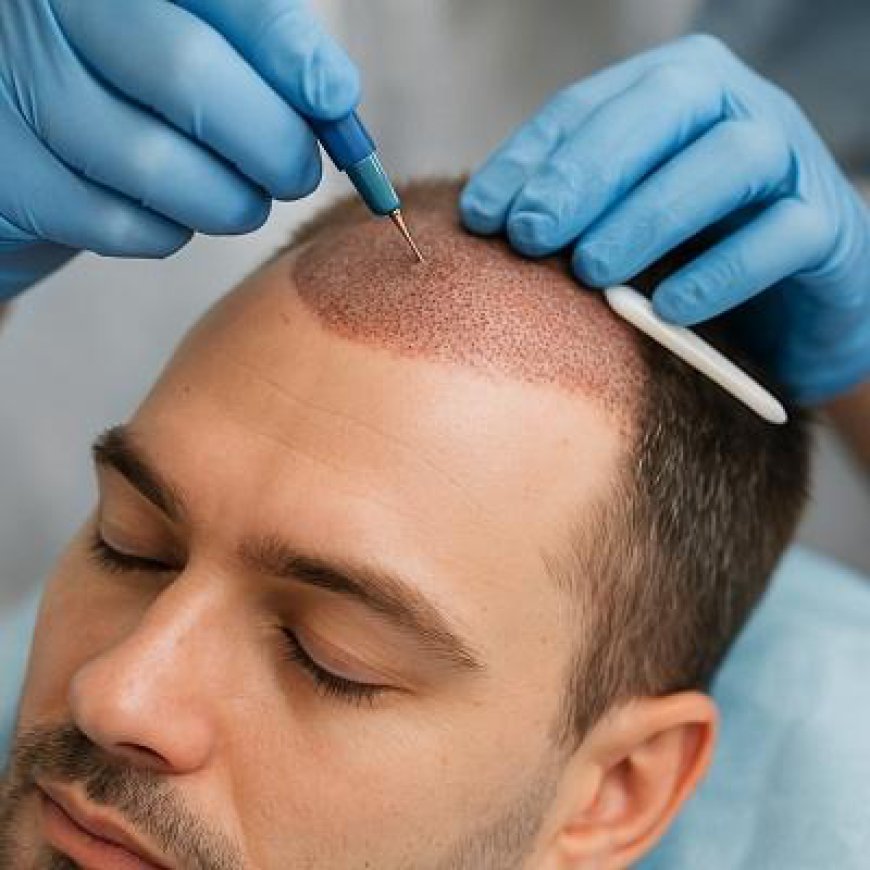
Hair loss is a common concern that affects both men and women, often influencing how they feel about their appearance and confidence. Whether it develops gradually or becomes noticeable over a shorter period, thinning hair can motivate people to explore long-term restoration options. Many individuals researching زراعة الشعر في دبي want to know if they are suitable candidates and what factors determine eligibility. Hair transplantation is not a one-size-fits-all solution, and the best results are usually achieved when treatment is carefully matched to an individual's hair characteristics, scalp condition, and restoration goals.
Understanding Hair Transplant Treatment
What Is Hair Transplantation?
Hair transplantation involves relocating healthy hair follicles from one area of the scalp to areas affected by thinning or hair loss. The goal is to create a natural-looking improvement in density and coverage.
Why People Consider Hair Restoration
People often explore hair transplantation because they want to restore a receding hairline, improve thinning areas, or achieve a fuller appearance.
A Personalized Solution
Every person's hair-loss pattern is different, which is why treatment planning is tailored to individual needs and expectations.
Individuals Experiencing Pattern Hair Loss
Men With Male Pattern Hair Loss
Male pattern hair loss is one of the most common reasons people consider hair transplantation. Receding hairlines and thinning crowns frequently lead individuals to seek long-term restoration options.
Women With Pattern Hair Thinning
Women who experience certain forms of hair thinning may also be suitable candidates, depending on their donor hair availability and overall hair condition.
Stable Hair Loss Patterns
People whose hair-loss patterns have become relatively stable are often easier to evaluate because future hair-loss progression can be considered during planning.
Many individuals visit Dynamic Life Clinic in Dubai to learn more about their options and determine whether hair transplantation may align with their personal goals.
People With Receding Hairlines
Restoring Hairline Shape
A receding hairline can significantly change facial proportions. Hair transplantation may help improve hairline definition and balance.
Creating a More Youthful Appearance
For some individuals, restoring the hairline can contribute to a fresher and more youthful overall look.
Personalized Hairline Design
Hairline restoration is often customized to suit the individual's facial features and natural growth patterns.
Individuals With Thinning Crown Areas
Addressing Visible Scalp Exposure
Crown thinning can make the scalp more visible, especially under bright lighting.
Improving Hair Coverage
Hair transplantation may help increase density in the crown area when sufficient donor hair is available.
Enhancing Overall Hair Appearance
Improving density in thinning regions can create a more balanced and fuller look.
People With Adequate Donor Hair
Understanding Donor Areas
Hair transplantation depends on the availability of healthy donor follicles, typically found in areas less affected by hair loss.
Why Donor Density Matters
The quantity and quality of donor hair influence treatment planning and potential results.
Individual Evaluation Is Essential
A professional assessment helps determine whether donor hair resources are sufficient for the desired outcome.
Individuals Seeking Long-Term Hair Restoration
Looking Beyond Temporary Approaches
Some people choose hair transplantation because they are interested in a long-term strategy for improving hair coverage.
Focused on Lasting Results
Many candidates prefer a solution designed to provide ongoing improvement rather than temporary cosmetic coverage.
Personal Appearance Goals
People often seek treatment because they want to enhance their appearance and feel more comfortable with their hair.
People With Hair Loss Due to Scarring
Hair Loss After Injury
Certain individuals experience localized hair loss following injuries or scars.
Exploring Restoration Possibilities
Depending on the characteristics of the scar and surrounding tissue, transplantation may be considered as a restoration option.
Importance of Professional Assessment
Scalp condition must be carefully evaluated before determining suitability.
Factors That Influence Candidate Eligibility
Hair Characteristics
Hair thickness, texture, color, and growth patterns can all influence treatment recommendations.
Extent of Hair Loss
The severity and distribution of hair loss are important considerations during planning.
Scalp Health
Healthy scalp conditions help support treatment planning and overall suitability.
Why Consultation Is Important
Personalized Assessment
Consultation helps determine whether hair transplantation is likely to meet the individual's goals.
Understanding Available Options
Individuals can learn about different approaches and expectations during evaluation.
Setting Realistic Expectations
Professional guidance helps create achievable goals and supports long-term satisfaction.
Benefits of Proper Candidate Selection
Customized Treatment Plans
Every candidate receives recommendations based on their specific needs and hair-loss pattern.
Supporting Natural-Looking Results
Appropriate planning helps ensure outcomes complement natural growth patterns and facial features.
Improving Long-Term Satisfaction
Understanding treatment possibilities before the procedure can contribute to a more positive overall experience.
Looking Ahead to Hair Restoration
Addressing Appearance Concerns
Hair restoration may help individuals manage concerns related to thinning hair and hairline changes.
Supporting Confidence
Many people feel encouraged by the possibility of improving hair density and appearance.
Personalized Goals Matter
Each person's definition of success is unique, making customized planning especially valuable.
For many individuals, زراعة الشعر offers an opportunity to improve hair coverage, restore thinning areas, and support a more confident appearance through a personalized hair-restoration approach.
Conclusion
Hair transplant treatment may benefit individuals experiencing pattern hair loss, receding hairlines, crown thinning, localized hair loss, or certain forms of scar-related hair loss. However, suitability depends on factors such as donor hair availability, scalp health, hair characteristics, and the stability of hair-loss progression. Because every individual has unique needs and goals, consultation and professional assessment play an essential role in treatment planning. Through personalized evaluation and customized recommendations, hair transplantation can help suitable candidates work toward improved hair density, natural-looking results, and greater confidence in their appearance.
FAQs
Who is a good candidate for hair transplant treatment?
Individuals with suitable donor hair and specific hair-loss concerns may be evaluated for treatment.
Can people with receding hairlines benefit from transplantation?
Many individuals with receding hairlines explore hair transplantation as a restoration option.
Does donor hair availability matter?
Yes, donor hair quality and density are important factors in treatment planning.
Can women undergo hair transplant treatment?
Some women with appropriate hair-loss patterns may be considered candidates after assessment.
Why is consultation important before treatment?
Consultation helps determine suitability, establish expectations, and create a personalized treatment strategy.