Digital Printing on Fabric: Process, Types, Benefits, and Uses
Learn how digital printing on fabric works, including its types, process, benefits, applications, challenges, durability, and practical production tips
 DigitalPrinting
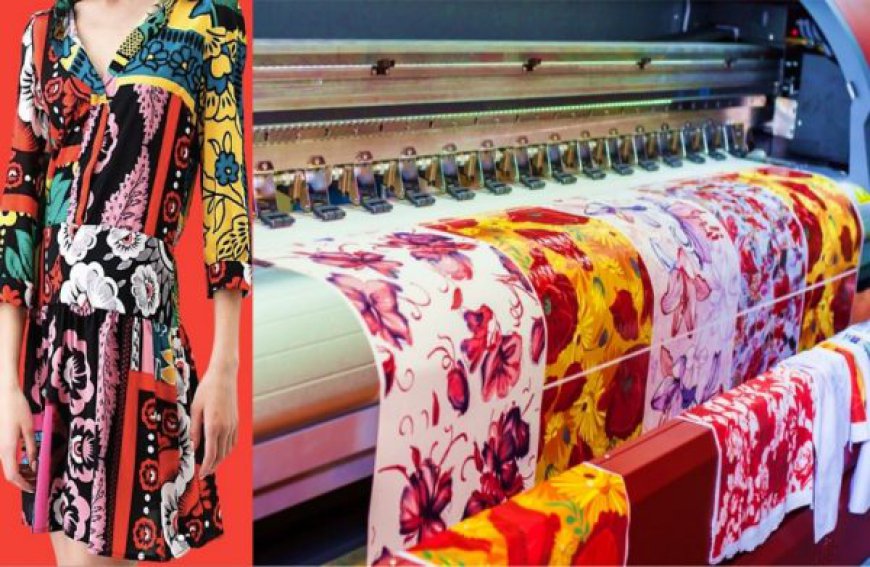
Digital printing on fabric is a textile decoration process that uses specialized inkjet printers to place dyes or pigments directly onto fabric. The printer receives a digital artwork file and converts it into precisely positioned ink droplets. Unlike traditional screen printing, which generally requires separate screens for different color separations, digital printing transfers the design electronically. This makes it possible to produce detailed patterns, photographs, gradients, illustrations, logos, and customized artwork without extensive physical setup.
The use of Digital printing on fabric has expanded across fashion, home textiles, sportswear, interior decoration, and promotional products. One reason is its ability to handle short runs and frequent design changes. A business can develop a sample, adjust the artwork, and produce another version without preparing an entirely new set of screens. However, the printer itself does not determine the quality of the final textile. Fabric composition, ink chemistry, pretreatment, color management, fixation, washing, and finishing all influence the result.
What Is Digital Printing on Fabric?
Digital textile printing is a direct-to-fabric printing method based on inkjet technology. Specialized printheads release very small droplets of textile ink onto controlled areas of the material. The printer uses information from a digital design to determine the position and amount of ink applied.
The method is particularly useful for artwork with many colors or intricate details. Photographs, fine lines, shadows, gradual color transitions, and complex repeating patterns can be reproduced without preparing an individual screen for every color.
Digital printing does not use the same process for every textile. Cotton, polyester, silk, wool, nylon, viscose, and linen have different fiber structures and chemical properties. As a result, the choice of ink and processing method must match the fabric.
How Does Digital Printing on Fabric Work?
Preparing the Digital Design
The process starts with a digital artwork file. Designers may create an illustration, photograph, logo, repeating pattern, or other graphic.
Before printing, the artwork is checked for resolution, dimensions, color settings, and repeat alignment. A repeating textile design must connect correctly at its edges so that the pattern remains continuous across the fabric.
Color management is another important step. A computer monitor generates colors with light, while printed fabric produces color through dyes or pigments. The same digital color can therefore appear different on a screen and on a textile. Calibrated equipment, suitable color profiles, and physical samples can help control this variation.
Preparing the Fabric
Fabric preparation varies according to the selected printing technology. Some dye systems require chemical pretreatment before printing. Pretreatment can control ink absorption and help improve color development and print definition.
The textile should also be clean, flat, and properly aligned. Dust, loose fibers, wrinkles, and uneven tension can cause spots, streaks, distortion, or inconsistent coverage.
Proper preparation becomes particularly important during roll-to-roll production because a small problem can be repeated over many meters of fabric.
Applying the Ink
The prepared fabric moves through the digital printer while printheads deposit microscopic droplets of textile ink.
The machine controls droplet placement and volume to reproduce the digital artwork. This enables detailed images, fine lines, gradients, and complex patterns to be printed directly onto the material.
A key advantage is the ease of making changes. If a customer requests a different color or pattern size, the digital file can be edited and printed again without creating a new physical screen.
Fixing the Print
The printed fabric generally requires a fixation process appropriate to the selected ink.
Reactive dyes used on suitable cellulose fibers are commonly fixed through steaming. Pigment inks generally require heat curing to activate the binder that secures pigment particles to the fabric. Dye-sublimation uses heat to transfer disperse dye into polyester fibers.
Proper fixation affects color strength and resistance to washing and rubbing. Incorrect processing can result in weak colors or reduced print durability.
Washing and Finishing
Some digital dye printing processes require washing after fixation. Washing removes unfixed dye and residual processing chemicals.
The textile can then be dried and finished according to its intended use. Finishing may include softening, pressing, coating, calendaring, or other treatments. These processes influence the final fabric's texture, appearance, softness, and performance.
Types of Digital Fabric Printing
Reactive Digital Printing
Reactive printing is commonly used with cotton, viscose, linen, and other cellulose-based textiles. Reactive dyes chemically bond with suitable fibers during processing.
This method can provide strong coloration and good wash performance when properly controlled. It is commonly used for apparel, bedding, curtains, scarves, and other products where a soft fabric feel is important.
Pigment Digital Printing
Pigment printing applies colored particles to the fabric surface. A binder is used to hold those particles to the textile.
Pigment systems can be used with many types of fabric and may require fewer post-printing steps than certain dye-based technologies. Proper curing is essential because the binder affects adhesion, rubbing resistance, and durability.
Dye-Sublimation Printing
Dye-sublimation is mainly used for polyester fabrics. Heat changes disperse dye into a gas, allowing it to penetrate the polyester fibers. As the textile cools, the color remains within the fiber structure.
It is widely used for sportswear, flags, banners, exhibition graphics, and other polyester-based products.
Acid Digital Printing
Acid inks are designed for suitable fabrics such as silk, wool, and nylon. They can produce detailed designs and strong colors when the fabric receives appropriate pretreatment and fixation.
Benefits of Digital Printing on Fabric
Complex Design Reproduction
Digital printers can reproduce photographs, fine illustrations, detailed lines, gradients, and multicolor patterns. Designers have greater freedom when creating artwork.
Faster Sampling
A design can be printed directly from a digital file. There is no need to prepare new physical screens for every design revision, making sampling more convenient.
Small Production Runs
Digital printing is useful for prototypes, limited collections, custom orders, and small quantities. Businesses can test designs before committing to larger production volumes.
Personalization
Each textile item can carry different artwork. Names, numbers, logos, photographs, and custom graphics can be incorporated without changing physical screens between products.
Flexible Design Development
Designers can change colors, pattern scale, image placement, and other elements digitally. This makes the process suitable for businesses that frequently introduce new designs.
Applications of Digital Printing on Fabric
Fashion and Apparel
Digitally printed textiles are used for dresses, shirts, skirts, scarves, swimwear, jackets, sportswear, and accessories. Detailed patterns can be produced without relying solely on conventional color separation methods.
Home Furnishings
Curtains, cushions, bedding, upholstery, table linens, and decorative textiles can be customized with digital designs. Manufacturers can also adapt one artwork to several coordinated products.
Sportswear
Polyester digital printing is widely suitable for athletic garments. Teams and manufacturers can produce customized jerseys and other sports clothing with names, numbers, logos, and graphics.
Promotional Textiles
Flags, banners, event backdrops, exhibition graphics, and soft signage can be produced using suitable digitally printable fabrics. Photographs and detailed branding can be reproduced effectively.
Practical Benefits and Key Insights
The first practical consideration is to match the fabric to the correct ink technology. Cotton and polyester, for example, normally require different approaches.
Cotton apparel may be printed using reactive dyes or appropriate pigment inks, while polyester sportswear can be suitable for dye-sublimation. The correct choice depends on the fabric, desired appearance, durability requirements, and production conditions.
Producing a physical sample before a large order is strongly recommended. Sampling can identify unexpected changes in color, pattern scale, sharpness, shrinkage, fabric feel, and durability.
Color management should remain consistent from design preparation through production. Printer calibration, appropriate profiles, controlled pretreatment, and stable fixation conditions can help improve repeatability.
Testing should also reflect the intended application. Garments may need wash and rubbing tests, while outdoor fabrics may require resistance testing for sunlight and weather exposure.
Common Challenges and Considerations
Color Matching
The same digital file can produce different results on different textiles. Fiber composition, surface construction, pretreatment, ink chemistry, and finishing conditions all affect color.
Durability
Print durability depends on the fabric, ink, fixation method, and finishing process. Washing, rubbing, sunlight, and moisture can affect the appearance of a printed textile over time.
Fabric Compatibility
An unsuitable ink system can cause bleeding, weak color, poor adhesion, or fading. Fabric composition should therefore be confirmed before production begins.
Production Costs
Digital printing can be cost-effective for customized products and shorter runs. However, total costs include ink, machinery, pretreatment, labor, energy, maintenance, and finishing. For very large orders, conventional printing can sometimes provide a lower unit cost.
Quality Control
Poor pretreatment, incorrect curing or steaming, uneven fabric tension, and inadequate machine maintenance can create defects. Regular testing and equipment maintenance are important for consistent output.
Frequently Asked Questions
1. What is digital printing on fabric?
Digital printing on fabric is a direct textile printing process that uses specialized inkjet printers to apply dyes or pigments according to a digital artwork file.
2. Can cotton be used for digital fabric printing?
Yes. Cotton is commonly printed using reactive dyes or suitable pigment systems. The choice depends on color requirements, durability, fabric characteristics, and production conditions.
3. Is digital printed fabric washable?
Yes. Properly processed digital prints can have good wash resistance. Actual performance depends on the fabric, ink, fixation, finishing, and care conditions.
4. Is digital printing suitable for small orders?
Yes. Digital printing is particularly suitable for samples, prototypes, customized products, and limited collections because it involves less physical setup.
5. Can photographs be printed on textile fabric?
Yes. Digital textile printers can reproduce photographs, detailed illustrations, gradients, and other complex artwork when the correct fabric and ink technology are selected.
Conclusion
Digital printing on fabric has become an important option for textile businesses that need design flexibility, detailed image reproduction, customization, and efficient sampling. Its digital workflow allows manufacturers to modify artwork without repeatedly creating physical screens, making it particularly useful for short runs and changing product collections.
Successful textile printing requires careful control of the entire production process. The fabric must be compatible with the selected ink, and pretreatment, printing, fixation, washing, and finishing must be properly managed. Color calibration and physical sampling are also important for maintaining consistency.
When these factors are carefully controlled, digital textile printing can produce detailed and durable fabrics for fashion, home furnishings, sportswear, promotional products, and a wide range of specialized applications.