Why Is Teeth Polishing & Scaling Important for Healthy Gums?
Discover why Teeth Polishing & Scaling in Dubai supports healthy gums by removing plaque and tartar while promoting cleaner, fresher teeth and better oral hygiene.
 dynamic4
Healthy gums are the foundation of a healthy smile, but plaque and tartar can quietly put them at risk. Teeth Polishing & Scaling in Dubai is a professional dental cleaning approach that helps remove buildup that regular brushing and flossing may not fully eliminate. By keeping teeth and gum surfaces cleaner, professional cleaning can support better oral hygiene and help reduce the risk of gum problems.
Many people think scaling and polishing are mainly cosmetic treatments for cleaner-looking teeth. In reality, they can play an important role in maintaining gum health, especially when plaque has hardened into tartar that cannot be removed with a toothbrush at home.
What Are Teeth Scaling and Polishing?
Teeth scaling is a professional procedure used to remove plaque and tartar, also known as calculus, from tooth surfaces. Plaque is a sticky film containing bacteria that continually forms on teeth. When it is not removed effectively, it can harden into tartar, which requires professional dental instruments for removal.
Polishing generally follows scaling. It helps smooth and clean the tooth surfaces by removing certain surface deposits and stains, leaving the teeth feeling smoother. This can make it more difficult for new plaque to accumulate quickly on rough or stained areas.
Although polishing can improve the appearance and feel of teeth, the gum-health benefits of professional cleaning largely come from controlling plaque and tartar buildup around the gumline.
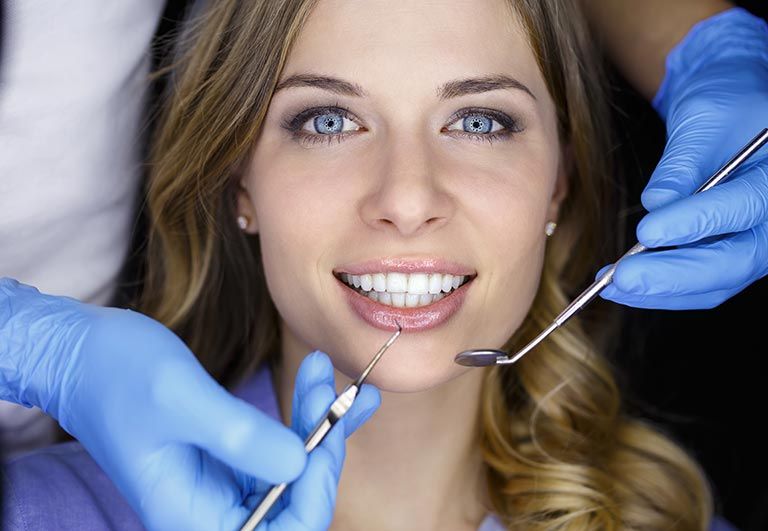
How Plaque and Tartar Affect Gum Health
Plaque is one of the main contributors to gingivitis, the early stage of gum disease. When bacterial plaque remains along the gumline, the surrounding tissue may become inflamed, red, swollen, or prone to bleeding.
If plaque is allowed to remain and harden into tartar, it can make daily cleaning more difficult. Tartar cannot simply be brushed away at home, which is why professional dental cleaning is important for removing established deposits.
Untreated gum inflammation can potentially progress into periodontitis. This more advanced form of gum disease can damage the tissues and bone supporting the teeth and may eventually contribute to tooth loss.
Regular professional cleaning does not replace daily oral hygiene, but it can complement it by addressing deposits that home care cannot remove.
Key Benefits of Professional Teeth Cleaning for Gums
Choosing regular dental scaling and polishing can provide several benefits for people who want to maintain healthier gums and teeth.
1. Removes Hardened Tartar
One of the most important advantages of scaling is its ability to remove tartar from tooth surfaces. Unlike soft plaque, hardened tartar cannot be effectively removed with normal brushing or flossing.
Removing this buildup gives the gums a cleaner environment and makes routine brushing and interdental cleaning easier.
2. Helps Control Plaque Buildup
Scaling removes existing deposits, while polishing can smooth the tooth surfaces and eliminate some external staining and deposits. Together, these procedures can support an effective oral hygiene routine.
This is particularly useful in areas that are difficult to clean thoroughly at home.
3. Supports Healthy Gums
Professional cleanings can help manage plaque-related inflammation and are part of preventive care for gum health. The CDC notes that gingivitis is largely preventable and treatable through good oral hygiene combined with professional dental care.
Healthy gums typically appear firm and pink and should not regularly bleed during brushing or flossing. Persistent bleeding, swelling, tenderness, or gum recession should be evaluated by a dentist rather than treated as a normal result of poor brushing.
4. Helps Prevent Gum Disease From Progressing
Early gum inflammation can often be managed successfully when addressed promptly. However, more advanced periodontal disease may require specialized treatment.
For patients with periodontitis, scaling and root planing is a deeper cleaning procedure that removes plaque and tartar from above and below the gumline. The American Dental Association recognizes scaling and root planing as an important nonsurgical treatment for periodontitis.
5. Keeps Teeth Feeling Smoother and Cleaner
After professional scaling and polishing, many people notice that their teeth feel smoother when they run their tongue across them. Removing external deposits can also improve the appearance of the smile by reducing certain surface stains.
However, polishing is not the same as professional teeth whitening. It primarily addresses surface deposits and stains rather than changing the natural internal color of the teeth.
Signs You May Need Scaling and Polishing
Not everyone accumulates plaque and tartar at the same rate. Your dentist can recommend an appropriate cleaning schedule based on your oral health, hygiene habits, and risk factors.
You may benefit from a professional dental cleaning if you notice:
- Tartar deposits around the gumline
- Persistent plaque buildup
- Red or swollen gums
- Gums that bleed during brushing or flossing
- Bad breath that does not improve with regular cleaning
- Surface stains caused by foods or drinks
- Teeth that feel rough despite brushing
- Difficulty keeping certain areas clean
Bleeding gums should not simply be ignored. According to the CDC, red, swollen, tender, or easily bleeding gums can be signs of gum disease.
Teeth Polishing and Scaling vs. Daily Oral Hygiene
Professional cleaning is important, but it cannot replace a consistent home-care routine. Plaque begins forming again after cleaning, so maintaining healthy gums requires daily attention.
A simple routine should include:
- Brush twice a day: Use fluoride toothpaste and clean all tooth surfaces carefully.
- Clean between your teeth daily: Floss or use an appropriate interdental cleaner to remove plaque from spaces a toothbrush may miss.
- Attend regular dental appointments: Your dentist can identify early signs of gum disease and determine whether professional cleaning is needed.
- Follow personalized advice: People with gum disease or other risk factors may need more frequent professional care.
The ADA recommends cleaning between the teeth because toothbrushes cannot effectively reach every interdental surface.
Professional teeth polishing and scaling therefore works best as part of a complete oral-health routine rather than as a standalone solution.
What Happens During a Teeth Scaling and Polishing Appointment?
A typical professional cleaning begins with an assessment of the teeth and gums. The dental professional checks for plaque, tartar, gum inflammation, staining, and other oral-health concerns.
During scaling, specialized instruments are used to remove deposits from the tooth surfaces. Depending on the amount and location of buildup, cleaning may involve areas around the gumline and, when clinically necessary, below it.
Polishing may then be performed to help remove certain surface stains and leave the teeth feeling smooth.
The exact procedure depends on your oral condition. A routine cleaning is different from scaling and root planing, which is a deeper periodontal treatment used when gum disease has progressed.
If you already have significant gum inflammation, deep periodontal pockets, or other symptoms, your dentist may recommend an examination and a more specific treatment plan rather than routine polishing alone.
How Often Should You Have Professional Teeth Cleaning?
There is no single cleaning schedule that is suitable for everyone. Some people may maintain good oral health with routine preventive visits, while others may need professional cleaning more frequently because of tartar buildup, gum disease, smoking, certain health conditions, or other risk factors.
Your dentist can assess your gums and determine how often you should receive professional care. The CDC recommends regular professional cleanings and dental checkups as part of maintaining oral health.
It is also important not to wait until your gums hurt before visiting a dentist. Gum disease can sometimes develop with few noticeable symptoms, making regular examinations valuable for early detection.
Final Takeaway
Healthy gums require more than a bright smile. Plaque and tartar can contribute to gum inflammation, and hardened tartar cannot be removed effectively through brushing alone. Professional scaling helps remove these deposits, while polishing can smooth tooth surfaces and reduce certain external stains.
When combined with brushing twice daily, daily interdental cleaning, and regular dental examinations, professional cleaning can be an important part of maintaining healthy gums. If you notice persistent bleeding, swelling, tenderness, bad breath, or visible tartar, consider scheduling an oral examination to determine whether Teeth Polishing & Scaling Treatment is appropriate for your needs.