Dominate Every Game with u4gm College Football 27 Tips: Breaking Down the Broken Run Meta
 Sjolund
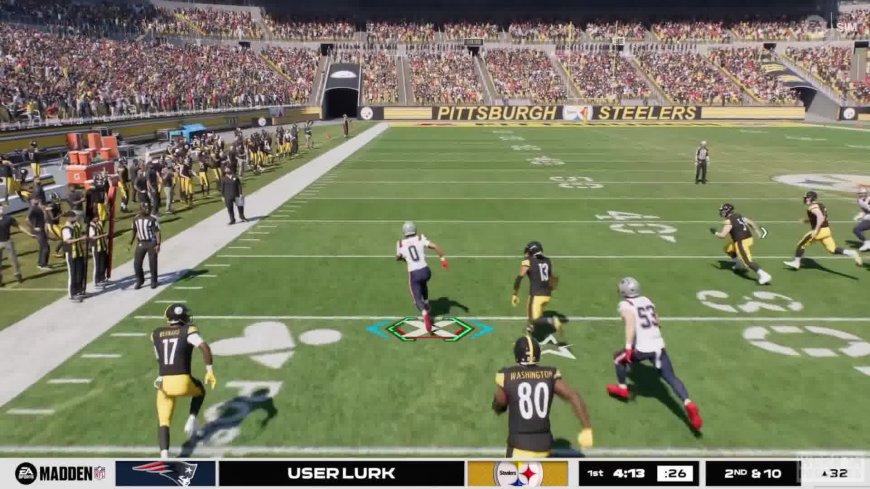
College Football 27 has introduced a new level of competition where finding the right offensive strategy can completely change the outcome of a game. Among all the available playbooks, the UTSA offense has quickly become one of the most frustrating and powerful systems to face. This scheme is built around aggressive rushing concepts, difficult-to-defend formations, and plays that constantly force opponents into uncomfortable defensive adjustments. Players who want to build stronger teams and improve their competitive experience often look for additional resources such as CFB 27 Coins to help prepare their rosters and maximize their gameplay potential.
The biggest strength of the UTSA offense is its ability to create problems before the ball is even snapped. Instead of relying on complicated passing concepts, this playbook focuses on controlling the ground game and forcing defenses to react. The combination of Power I formations, outside runs, inside dives, and option concepts makes it extremely difficult for opponents to find a perfect defensive answer.
The foundation of this offensive scheme starts with the Power I formation. In College Football 27, running plays are incredibly effective, and the Power I formation takes advantage of the game's blocking mechanics and defensive alignment issues. This formation provides several strong options, but the most important play to master is the HB Stretch.
The HB Stretch should become the main weapon in this offense because it consistently attacks weaknesses in popular defensive formations. One of the biggest examples is the 4-3 Even 6-1 defense, which many players rely on to stop rushing attacks. However, against the UTSA Stretch concept, this defensive setup often creates problems because defenders are not always positioned correctly.
When the defense lines up, players should immediately look at the alignment. Defensive backs and linebackers are often positioned too close to the middle of the field, leaving too much space on the outside. This allows the offense to attack the edge without needing complicated adjustments. In many situations, the running back can simply follow the blocks, accelerate through the opening, and create a huge gain.
The HB Stretch will not score a touchdown every single play, but it consistently produces positive yardage and explosive opportunities. Even when the defense makes a good adjustment, the offense can usually gain several yards and stay in favorable down-and-distance situations. The constant threat of the outside run forces opponents to change their defensive approach.
Many defensive players attempt to solve this problem through coaching adjustments. For example, they may adjust defensive width to move players farther outside and prevent the running back from reaching the edge. However, these changes usually do not completely solve the problem. The defense may improve slightly, but the offensive advantage remains because the alignment issues continue.
Another common defensive response is switching to Nickel Wide. While this formation spreads defenders out more than 4-3 Even 6-1, it still has major weaknesses against the UTSA offense. The nickel defender often remains too close to the middle, creating a clear path toward the outside. This allows the offense to continue attacking the edge and forcing defenders into difficult situations.
The ability to flip plays makes this strategy even stronger. Against nickel formations, offensive players can quickly change the direction of the attack. Because defensive users cannot always react quickly enough, flipping the play creates additional space and gives the offense another advantage. This makes Nickel Wide an unreliable solution against the UTSA rushing attack.
Dime formations also struggle against this offensive system. Although Dime places more defensive backs on the field, the alignment problems remain. Slot corners can still be positioned too far inside, giving the offense opportunities to attack open areas. The main issue is that almost every defensive formation has some kind of weakness that the UTSA playbook can exploit.
However, smart offensive players understand that they cannot rely only on the HB Stretch. Eventually, opponents will attempt to counter with strategies such as Texas stunts or outside-focused defensive adjustments. When that happens, the offense has another powerful weapon: the Lead Dive.
The Lead Dive is one of the strongest inside rushing plays in College Football 27. While many dive plays are designed only for short gains, this version has the ability to create explosive plays. If defenders overcommit to stopping the outside run, the middle of the field opens up. The running back can quickly find a gap, break through the defense, and turn a simple run into a massive gain.
This play is especially effective against lighter defensive fronts. If an opponent uses a three-man defensive line, the Lead Dive becomes extremely dangerous. The offensive line can create movement at the point of attack, allowing the running back to gain consistent yardage with the possibility of a home-run play.
The combination of HB Stretch and Lead Dive creates a difficult situation for defensive players. If they protect the outside, the offense attacks inside. If they focus on stopping the middle, the offense returns to the edge. This constant pressure forces opponents to make risky decisions.
The UTSA offense becomes even more dangerous with formations like Gun Trips X Off. These formations add another layer of complexity with plays such as the Orbit RPO QB Power. This concept combines motion, option elements, and quarterback rushing ability to create another defensive challenge.
Against zone coverage, the Orbit RPO QB Power can be extremely effective because defenders often fail to react quickly enough. The coverage players may hesitate, allowing the quarterback to escape outside and gain significant yardage. Even when the defense recognizes the play, blockers often create enough space for a successful run.
Man coverage does not provide a perfect solution either. Aggressive blitzes can still struggle because defenders may become trapped behind blockers. While the offense may not score every attempt, the consistent yardage gained from these plays can completely control the pace of the game.
The biggest lesson from the UTSA offensive scheme is that success comes from using multiple threats together. The HB Stretch attacks defensive alignment problems, the Lead Dive punishes defenders who overreact, and the Gun Trips X Off formation creates additional pressure with option plays. Instead of depending on one broken play, this offense forces opponents to defend every part of the field.
Overall, the UTSA offense is one of the strongest and most annoying strategies available in College Football 27. Its combination of powerful rushing concepts, difficult defensive matchups, and explosive option plays makes it a nightmare for opponents. Players who learn these formations, understand defensive reactions, and improve their roster management will have a major advantage throughout the season. With smart preparation and resources like buy College Football Coins, competitive players can continue developing stronger teams and fully take advantage of this dominant offensive system.