The Art of Watering: A California Native Garden Guide
Learn why overwatering kills more plants than drought, and how a California native garden makes proper watering almost effortless.
 nurserye835
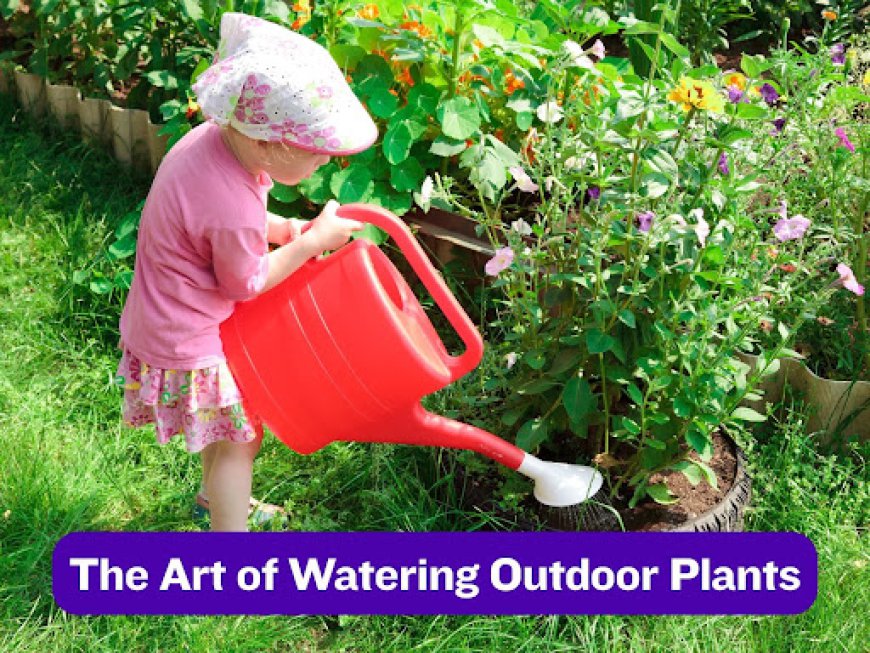
The Art of Watering: Why It's the Top Reason Plants Die
More houseplants and garden plants die from too much water than too little. Overwatering suffocates roots by pushing out the oxygen they need, leading to rot that often looks like drought stress, wilting, and yellow leaves, so gardeners respond by watering even more. One of the simplest ways to break this cycle is to design with a California native garden in mind, since native plants are adapted to our wet winters and bone-dry summers and rarely need supplemental water once established.
Why Overwatering Kills More Plants Than Drought
Roots need air as much as they need moisture. When soil stays saturated, oxygen gets pushed out of the pore spaces roots rely on, and root cells begin to suffocate and die. Dead roots can't take up water or nutrients, so the plant above ground starts wilting, exactly the symptom that convinces most people to water more. It's a vicious cycle, and it's the single most common way well-meaning gardeners lose plants.
Drought-stressed plants, by contrast, usually recover quickly once watered. Overwatered plants often can't, because the root damage is already done by the time symptoms show.
Signs You're Overwatering
• Yellowing leaves that feel soft or mushy rather than crispy and dry.
• Soil that stays wet more than a day or two after watering.
• A sour or musty smell coming from the soil.
• Fungus gnats hovering around the base of the plant.
• Roots that look brown and mushy instead of firm and white when checked.
The Right Way to Water: Deep and Infrequent
Most plants, especially established trees, shrubs, and perennials, are better served by deep, infrequent watering than frequent light sprinkles. A deep soak encourages roots to grow downward in search of moisture, building a stronger, more drought-tolerant plant. Shallow, frequent watering keeps roots near the surface, where they're more vulnerable to heat and dry spells.
• Water early in the morning to reduce evaporation and fungal issues.
• Check soil moisture 2 to 3 inches down before watering again; if it's still damp, wait.
• Use mulch to slow evaporation and keep root zones at a more even temperature.
• Adjust seasonally: most plants need far less water in cooler, shorter days than in peak summer heat.
A simple test: push a finger or a wooden skewer into the soil near the root zone. If it comes out clean and dry, it's time to water. If it comes out damp or with soil clinging to it, hold off, even if the leaves look a little tired. Plants often droop temporarily in afternoon heat and bounce back by evening, which isn't the same as needing water.
Why a California Native Garden Makes Watering Almost Foolproof
California's native plants evolved for our exact rainfall pattern: wet winters followed by long, dry summers. That means species like California lilac, manzanita, yarrow, and native sages are built to thrive on little to no irrigation once their root systems are established, typically after one to two years in the ground.
Designing a California native garden takes the guesswork out of watering because you're working with the climate instead of against it. Group plants by water needs, called hydrozoning, so thirstier natives near a patio don't get overwatered alongside drought-tolerant natives further out. The result is a landscape that looks good and survives dry spells with minimal intervention.
Common Watering Mistakes to Avoid
• Watering on a fixed schedule regardless of weather or soil moisture.
• Using shallow, frequent watering instead of deep, infrequent soaks.
• Mixing high-water and low-water plants in the same irrigation zone.
• Ignoring drainage, since even drought-tolerant natives will rot in soil that doesn't drain.
Water Smarter, Not More
Most plant losses trace back to watering habits, not a lack of skill or attention. Stop by Evergreen Nursery for help selecting California native garden plants suited to your yard's sun, soil, and water access, and we'll help you build a landscape that thrives with less effort.
Read More: The Art of Watering: Why It's the Top Reason Plants Struggle (and How to Fix It)
Frequently Asked Questions
Q: How do I know if I'm overwatering or underwatering?
A: Check the soil, not just the leaves. Overwatered soil stays wet and may smell sour, while underwatered soil is dry and pulls away from the pot or bed edges. Wilting can happen in both cases, so soil moisture is the more reliable test.
Q: How often should I water a California native garden?
A: Newly planted natives typically need water once or twice a week for the first year while roots establish. After that, most established natives need little to no supplemental water beyond seasonal rainfall.
Q: What time of day is best for watering?
A: Early morning is best. It gives water time to soak in before the heat of the day causes evaporation, and it reduces the damp conditions overnight that encourage fungal disease.
Q: Do California native plants need any water at all?
A: Yes, especially during their first one to two years while establishing roots. Once mature, most natives rely mainly on winter rainfall and need little or no irrigation through the dry season.
Q: Can overwatered plants recover?
A: Sometimes, if caught early. Let the soil dry out, trim away any mushy or blackened roots you can access, and hold off watering until the top few inches of soil are dry. Severe root rot is often unrecoverable.
Q: What's the easiest way to reduce watering mistakes long term?
A: Group plants with similar water needs together and choose species suited to your climate, such as California natives. This single change removes most of the guesswork that leads to over- or underwatering.