Leading Fitness App Development Agency | AI-Powered Solutions
Fitness app development agency delivering AI-powered, scalable, and secure mobile solutions for gyms, startups, and wellness brands worldwide.
 sisgaintech
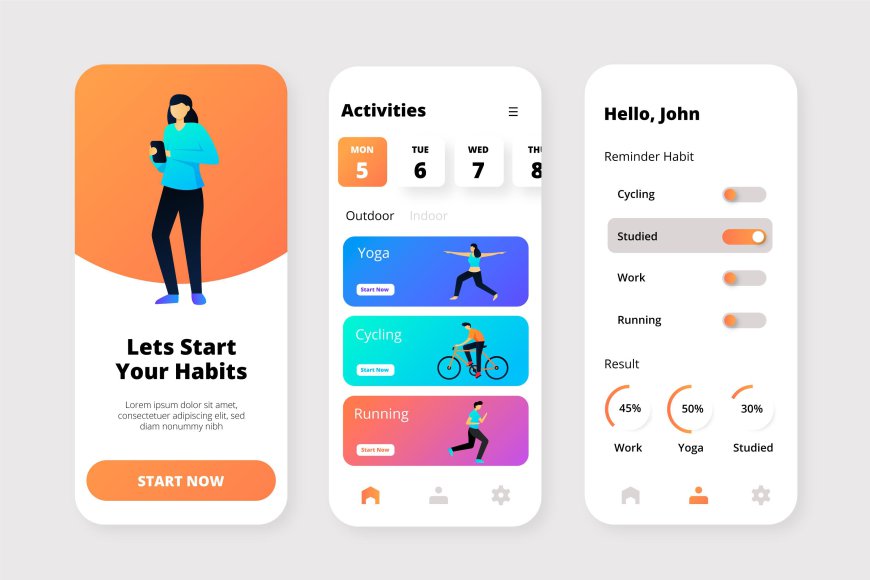
The global fitness industry has transformed dramatically over the past five years. Digital health adoption accelerated, wearable device usage increased, and consumers now expect hyper-personalized workout guidance rather than generic training plans. According to industry research, the global fitness app market continues to grow at double-digit rates, driven by AI integration, remote coaching demand, and subscription-based wellness ecosystems.
In this competitive landscape, partnering with the right fitness app development agency is no longer optional. It is a strategic decision that determines whether your app becomes another forgotten download or a scalable digital fitness platform generating predictable recurring revenue.
Today’s users expect intelligent workout recommendations, real-time progress tracking, smart nutrition guidance, wearable synchronization, and seamless user experience. Behind every successful product lies strong technical architecture, AI-powered personalization, regulatory compliance, and a deep understanding of user psychology.
This comprehensive guide explores what defines a leading agency, how AI reshapes fitness technology, why the gym & fitness app in Dubai market presents unique growth opportunities, and how to choose a reliable fitness mobile app development company to build a scalable solution.
What Makes a Leading Fitness App Development Agency?
A professional fitness technology partner does much more than code an application. A true fitness app development agency acts as a product strategy advisor, AI architect, UX specialist, and long-term scaling partner.
Modern fitness apps require complex ecosystem thinking. They combine health data, behavioral science, cloud infrastructure, AI algorithms, real-time analytics, and secure payment systems. Agencies that understand only frontend design or simple mobile builds often fail when apps scale to thousands of concurrent users.
A leading agency demonstrates:
First, domain specialization. Fitness applications require understanding workout science, biometric tracking, and user motivation patterns. Agencies with direct experience in health-tech reduce costly trial-and-error.
Second, product-driven development. Instead of simply following feature lists, experienced agencies conduct product discovery workshops, validate market demand, analyze competitors, and define monetization pathways before development begins.
Third, AI integration capability. AI-driven personalization is no longer an add-on. It is the backbone of retention. Without machine learning infrastructure, your app risks offering generic content that fails to engage users long term.
Fourth, scalability architecture. Successful apps must handle growth from 500 users to 500,000 without system breakdowns. Cloud-native backend systems and microservices architecture ensure performance stability.
Finally, security and compliance. Fitness apps often store sensitive health information. GDPR, HIPAA, and regional privacy regulations must be carefully addressed during system design.
AI-Powered Features That Define Modern Fitness Apps
Artificial Intelligence is transforming fitness from reactive to predictive. Instead of static workout templates, users now receive dynamic plans that adjust based on performance, fatigue, and lifestyle inputs.
AI personalization engines analyze workout history, user goals, heart rate variability, sleep patterns, and body metrics to deliver optimized routines. This creates higher engagement and measurable progress.
Computer vision technology allows posture correction during home workouts. Through smartphone cameras, AI models detect alignment errors and provide real-time guidance. This feature significantly improves user trust and safety.
Predictive analytics enhance retention by identifying dropout risks. If engagement drops, the system triggers motivational nudges or suggests lighter sessions to re-engage users.
Smart chatbots function as virtual trainers. They answer nutrition questions, adjust routines, and provide daily encouragement.
The most advanced agencies implement AI models using frameworks such as TensorFlow and PyTorch while ensuring efficient deployment in cloud environments. AI is not just innovation; it is competitive survival in fitness technology.
Why the Gym & Fitness App in Dubai Market is Booming
The Middle East, particularly the UAE, has seen rapid digital transformation. The demand for a sophisticated gym & fitness app in Dubai is driven by several factors.
Dubai has one of the highest smartphone penetration rates globally. Consumers are tech-savvy, accustomed to premium digital experiences, and willing to invest in health and wellness.
The government actively promotes healthy living initiatives, encouraging physical activity and wellness entrepreneurship. Combined with high disposable income levels, this creates fertile ground for AI-powered fitness platforms.
Furthermore, Dubai’s gym culture is highly competitive. Fitness centers seek digital tools for membership management, class scheduling, personal trainer bookings, and retention analytics. A well-built fitness app allows gyms to reduce churn and improve member engagement through data-driven personalization.
Localized features such as bilingual support in Arabic and English, integration with regional payment gateways, and culturally relevant training programs increase adoption rates.
Investors and startups targeting this region must collaborate with agencies that understand both global best practices and local compliance standards.
Key Features Required for a Successful Gym & Fitness App in Dubai
Launching a competitive gym-focused application in Dubai requires careful feature planning. Users expect convenience, personalization, and premium design quality.
An intelligent onboarding system is essential. AI-driven assessments collect user goals, body metrics, and fitness levels to create customized plans.
Integrated class booking and trainer scheduling systems reduce administrative workload for gyms while improving user convenience. Real-time availability tracking enhances transparency.
Subscription management and online payment systems must support regional banking infrastructure. Secure transactions build trust.
Gamification and reward systems significantly boost engagement. Leaderboards, achievement badges, and progress milestones keep users motivated.
Geo-location services allow users to discover nearby fitness centers, events, and trainers. This strengthens community building.
For business owners, analytics dashboards provide insight into user behavior, retention metrics, and revenue performance. Data-driven decisions improve profitability.
A development partner must integrate all these features without compromising performance speed or user experience.
Core Features Every AI-Driven Fitness Application Must Include
Every successful fitness app balances usability with intelligence. While AI enhances personalization, core features remain fundamental.
User registration and profile management should allow biometric inputs, goal tracking, and progress visualization. Clean interface design improves usability.
Workout libraries with video demonstrations provide clarity and safety. High-definition instructional content builds credibility.
Nutrition tracking modules support calorie counting, macro breakdowns, and dietary suggestions. AI can recommend meal adjustments based on workout intensity.
Push notifications keep users accountable. Reminders based on inactivity patterns increase retention.
Community features such as social sharing and group challenges create emotional connection.
Progress dashboards visualize weight changes, strength improvements, and endurance gains. Visual feedback reinforces consistency.
These core elements, when executed professionally, form the backbone of long-term engagement.
Also Read - Why Custom Fitness App Development Is Booming in 2026
Advanced AI Capabilities That Drive Competitive Advantage
To stand out, advanced AI capabilities must move beyond simple personalization.
Predictive health analytics can estimate recovery time, suggest rest days, and prevent overtraining. By analyzing wearable data, the system detects fatigue signals and adapts accordingly.
Machine learning algorithms optimize workout progression. If strength gains plateau, the system modifies intensity automatically.
Voice-enabled virtual trainers provide hands-free guidance during workouts. This enhances user experience and accessibility.
Augmented reality training experiences create immersive sessions, particularly for home fitness users.
AI-powered churn prediction models help business owners identify disengaged users early. Automated re-engagement campaigns improve retention.
These innovations require deep expertise in data modeling, infrastructure scaling, and algorithm optimization, reinforcing the importance of selecting an experienced development partner.
Step-by-Step Development Framework Used by a Fitness Mobile App Development Company
A structured development process ensures predictable outcomes and cost control. A professional fitness mobile app development company follows a disciplined framework.
The process begins with product discovery. Market analysis, competitor research, and target audience validation shape feature prioritization.
Next comes AI architecture planning. Data pipelines, machine learning frameworks, and model deployment strategies are defined early to avoid rework.
UI/UX design focuses on clarity and engagement. Fitness apps must remain intuitive even when handling complex data visualization.
Agile development methodology divides the project into manageable sprints. Continuous integration ensures code quality and scalability.
Quality assurance testing evaluates performance under heavy user loads. Security testing verifies data protection compliance.
Deployment includes app store optimization strategies to improve visibility and downloads.
Post-launch support involves continuous AI model refinement and feature updates based on analytics insights.
This structured lifecycle minimizes risks and enhances return on investment.

Technology Stack Behind AI-Powered Fitness Applications
Choosing the correct technology stack impacts performance, scalability, and long-term maintenance costs.
Frontend development often uses Flutter or React Native for cross-platform efficiency. Native technologies like Swift and Kotlin ensure high performance when required.
Backend systems rely on scalable cloud platforms such as AWS or Google Cloud. Microservices architecture improves flexibility.
AI infrastructure typically includes Python-based frameworks like TensorFlow or PyTorch for machine learning implementation.
Database systems must handle high volumes of real-time user data. NoSQL databases are commonly used for scalability.
Wearable integrations require API connectivity with Apple HealthKit and Google Fit.
Below is a simplified comparison table illustrating technology considerations:
| Component | Recommended Approach | Benefit |
|---|---|---|
| Frontend | Flutter / React Native | Faster cross-platform launch |
| Backend | Node.js + Cloud | Scalable architecture |
| AI Layer | Python + TensorFlow | Advanced personalization |
| Database | NoSQL | High-speed performance |
| Integrations | Health APIs | Real-time data sync |
A strategic technology stack reduces long-term operational complexity.
Proven Monetization Models for Fitness Apps
Revenue strategy determines sustainability. Even the most advanced app cannot survive without a clear monetization framework.
Subscription-based models remain dominant. Users pay monthly or annually for access to premium AI-powered insights and advanced training plans.
Freemium strategies attract users with basic features while upselling premium analytics and coaching.
In-app purchases allow users to buy specialized programs or one-on-one virtual training sessions.
Corporate wellness partnerships provide B2B revenue streams. Companies invest in fitness solutions to improve employee productivity.
Marketplace models connect personal trainers with clients, generating commission-based income.
Selecting the correct model depends on target audience demographics and regional purchasing behavior.
How to Choose the Right Fitness Mobile App Development Company
Selecting a trusted fitness mobile app development company requires due diligence.
Evaluate their portfolio for fitness-specific case studies rather than generic mobile apps. Domain expertise reduces development risk.
Request technical documentation demonstrating AI integration capability. Generic claims without architecture explanation signal limited expertise.
Assess scalability strategy. Ask how they handle rapid user growth and server load management.
Examine security protocols and compliance certifications.
Review post-launch support models. AI systems require ongoing monitoring and retraining.
Transparent communication and milestone-based project management indicate professionalism.
A strategic partnership mindset, rather than a transactional vendor relationship, ensures long-term success.
Development Cost Breakdown for AI-Powered Fitness Apps
Cost varies depending on complexity, feature depth, and AI sophistication.
An MVP with core features may range from moderate investment levels suitable for startups.
Mid-level AI integration including personalized workout engines increases development effort.
Enterprise-level ecosystems with predictive analytics, wearable integration, and advanced dashboards require higher budgets.
Ongoing maintenance costs typically represent a percentage of initial development annually.
Factors influencing cost include regulatory requirements, third-party API licensing, infrastructure expenses, and team expertise level.
Budget transparency from the start prevents scope creep and financial overruns.
Future Trends in AI-Powered Fitness Technology
The future of digital fitness extends beyond mobile apps into immersive ecosystems.
Digital twin technology may allow users to simulate body changes based on training inputs.
Biometric-driven personalization will become more precise as wearable technology evolves.
Virtual reality fitness environments will combine gaming with exercise to increase engagement.
AI-driven preventative health analytics may detect early warning signs of lifestyle diseases.
Blockchain-based health data security could enhance privacy protection.
Fitness applications will evolve into holistic health management platforms integrating mental wellness, nutrition, sleep tracking, and medical monitoring.
Businesses investing today in scalable AI-first solutions position themselves for long-term industry leadership.
SISGAIN – Leading Fitness App Development Agency for AI-Powered Innovation
SISGAIN is a globally recognized fitness app development agency delivering advanced AI-powered mobile solutions tailored for gyms, health startups, and wellness enterprises. With deep expertise in scalable architecture, intelligent personalization engines, wearable integrations, and secure cloud infrastructure, SISGAIN builds high-performance fitness ecosystems that drive engagement and recurring revenue. From concept strategy to post-launch optimization, their team ensures innovation, compliance, and measurable growth. Partner with SISGAIN today and transform your fitness vision into a powerful digital success story.

Conclusion: Build the Future with a Leading Fitness App Development Agency
The digital fitness landscape is competitive but full of opportunity. Users demand personalization, real-time feedback, seamless design, and measurable results.
Choosing the right fitness app development agency ensures your product combines technical excellence with user-centric design.
For regional expansion, understanding markets like the gym & fitness app in Dubai ecosystem provides strategic growth potential.
Finally, partnering with a proven fitness mobile app development company ensures scalable infrastructure, AI-driven innovation, and long-term business sustainability.
Success in fitness technology requires more than development. It requires vision, strategy, AI expertise, and continuous optimization. Businesses that invest in intelligent, scalable platforms today will define the next era of digital health innovation.