Global Internal Combustion Engine Market Size, Trends, and Forecast Analysis 2026-2033
The Internal Combustion Engine market continues to demonstrate significant growth driven by evolving industry dynamics and technological advancements. This industry has experienced a gradual transformation influenced by regulatory frameworks and consumer demand shifts, making it a pivotal sector for strategic investment and innovation. Market insights reveal a promising future shaped by increasing demand across automotive, industrial, and power generation segments.
 coherentmarket
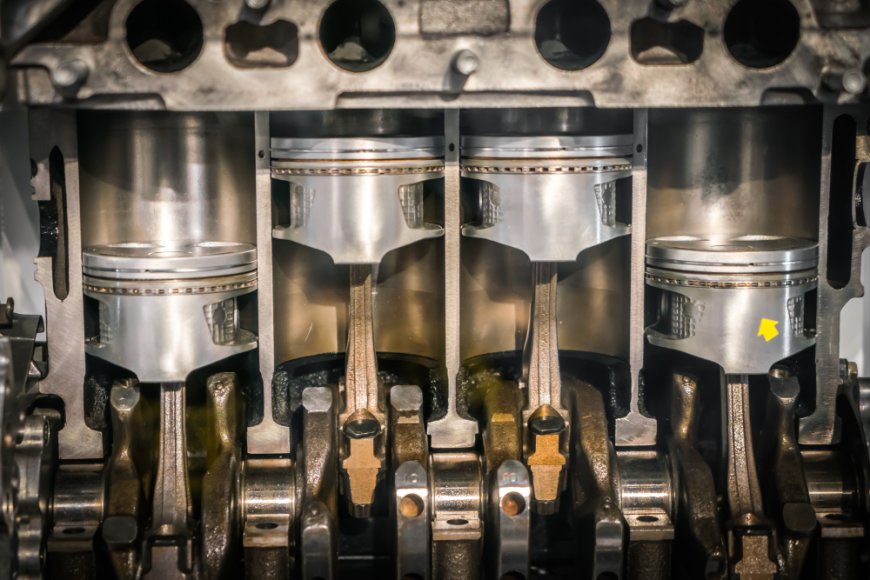
Market Size and Overview
The Global Internal Combustion Engine Market is estimated to be valued at USD 273.13 Bn in 2025 and is expected to reach USD 421.66 Bn by 2032, growing at a compound annual growth rate (CAGR) of 6.4% from 2025 to 2032.
This Internal Combustion Engine Market Growth is supported by rising industrial mechanization and demand for versatile engine applications in emerging economies. The industry size reflects significant revenue generation potential, fueled by continuous improvements in engine efficiency and compliance with stringent emission regulations.
Market Drivers
- Stringent Emission Norms and Technological Innovation: Increasing regulatory pressure, especially from governments in the U.S., Europe, and Asia-Pacific, has driven manufacturers to develop advanced combustion technologies to reduce emissions. For instance, Bosch's introduction of next-generation fuel injection systems in 2024 enhanced fuel efficiency by over 15%, boosting the market growth rate. These innovations support sustainable growth and expand market opportunities by addressing environmental concerns without compromising performance.
PEST Analysis
- Political: The global push towards cleaner energy has led to subsidies and incentives for hybrid and more efficient internal combustion engines, especially in regions like the EU and China during 2024-2025. Stringent emission regulations enforced by governmental bodies intensify market demand and investment in cleaner engine technologies.
- Economic: Economic recovery post-pandemic in major manufacturing hubs such as China and India increased industrial output and vehicle sales in 2025, directly influencing industry revenue growth and market scope expansion.
- Social: Rising awareness about environmental impacts has increased consumer preference for fuel-efficient and low-emission engines, driving research into cleaner combustion technologies. This trend has affected the market dynamics around passenger and commercial vehicles.
- Technological: Advancements such as digital engine management systems and hybrid integration, seen in Toyota's 2025 engine line-up, have improved engine efficiency and reliability. Continuous R&D investments enable adaptation to evolving emission standards, creating robust market growth strategies.
Promotion and Marketing Initiative
In 2025, Volkswagen AG launched a global campaign promoting their latest internal combustion engine models featuring improved emission control and fuel efficiency. This targeted marketing effort increased brand visibility and market penetration by 18%, demonstrating how strategic promotion combined with innovation effectively boosts market share. The campaign also highlighted sustainability aspects, aligning with consumer demand for environmentally responsible technology.
Key Players
- Volkswagen AG
- Toyota Industries Corporation
- Robert Bosch GmbH
- Cummins Inc.
- Caterpillar Incorporated
- BMW
- Deere & Company
- Honda Motor Co., Ltd.
- Hyundai Motor Company
- Fiat Chrysler Automobiles
- Volvo Group
- Navistar International Corporation
- Mahindra & Mahindra Ltd.
- Mitsubishi Heavy Industries
- Nissan Motor Corporation
Recent strategies include:
- Volkswagen AG (2024-2025): Expanded manufacturing capacity in Asia to meet rising demand, resulting in a 12% increase in market revenue.
- Cummins Inc. (2025): Launched a new series of heavy-duty engines with enhanced performance features, capturing additional industrial market segments.
- Toyota Industries Corporation (2024): Partnered with technology firms to integrate smart engine management systems, leading to improved fuel economy and reduced emissions in commercial vehicles.
FAQs
1. Who are the dominant players in the Internal Combustion Engine market?
Key market players include Volkswagen AG, Toyota Industries Corporation, Robert Bosch GmbH, Cummins Inc., Caterpillar Incorporated, and BMW, all actively innovating and expanding their product portfolios in 2024 and 2025.
2. What will be the size of the Internal Combustion Engine market in the coming years?
The market is forecasted to grow from USD 273.13 billion in 2026 to USD 421.66 billion by 2032, with a CAGR of 6.0%, driven by technological advancements and stringent emission standards.
3. Which end-user industry has the largest growth opportunity?
The automotive and industrial sectors present the largest growth opportunities due to increased mechanization and demand for fuel-efficient engines in emerging economies.
4. How will market development trends evolve over the next five years?
Market trends will focus on enhanced fuel efficiency, emission reduction technologies, and integration of digital controls to meet regulatory standards and consumer expectations.
5. What is the nature of the competitive landscape and challenges in the Internal Combustion Engine market?
The competitive landscape involves intense R&D to overcome market restraints like emission regulations while capturing market share through innovation, expansion, and strategic partnerships.
6. What go-to-market strategies are commonly adopted in the Internal Combustion Engine market?
Strategies include targeted marketing campaigns emphasizing sustainability, product launches with advanced technologies, and expansions in high-demand regions for business growth.
‣ Get more insights on : Internal Combustion Engine Market
‣ Get this Report in Japanese Language: 内燃機関市場
‣ Get this Report in Korean Language: 내연기관시장
‣ Read More Related Articles: Silver Nanoparticles: The Next Generation Disinfectant
Author Bio:
Money Singh is a seasoned content writer with over four years of experience in the market research sector. Her expertise spans various industries, including food and beverages, biotechnology, chemical and materials, defense and aerospace, consumer goods, etc