Prosthetic Joint Infection Market Size, Trends, and Growth Strategies Analysis
 coherentmarket
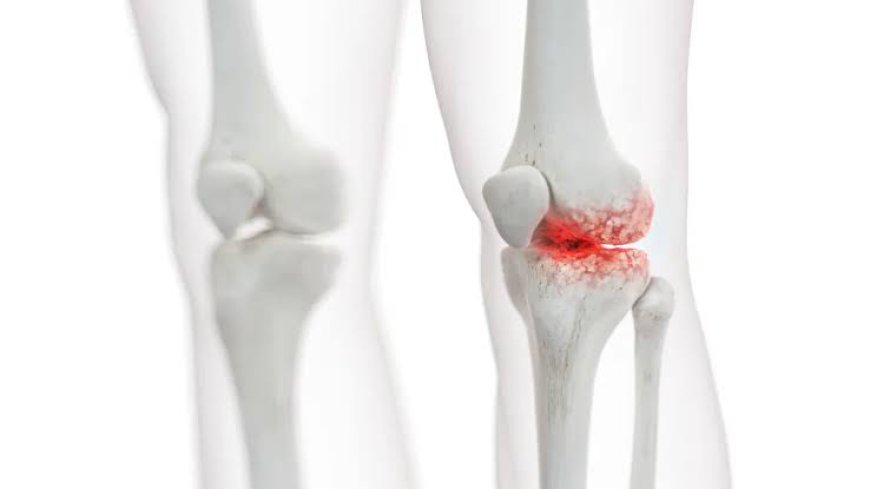
The prosthetic joint infection industry is experiencing significant evolution driven by rising incidence rates and advancements in infection management technologies. This sector underscores critical challenges in postoperative care, fueling demand for innovative diagnostic and therapeutic solutions. Comprehensive market analysis reveals emerging trends shaping business growth and competitive dynamics.
Market Size and Overview
The prosthetic joint infection market is estimated to be valued at USD 67.7 Mn in 2025 and is expected to reach USD 97.8 Mn by 2032, growing at a compound annual growth rate (CAGR) of 5.4% from 2025 to 2032.
This steady Prosthetic Joint Infection Market Growth highlights increasing recognition of infection prevention as a critical component of arthroplasty success. Enhanced diagnostic accuracy and novel antimicrobial treatments further expand the market scope, reinforcing growth opportunities across healthcare systems worldwide.
Market Segments
The Prosthetic Joint Infection market can be segmented by diagnostic methods, treatment options, and end-users:
- Diagnostic Methods: Culture-based techniques, molecular diagnostics, serological testing. Molecular diagnostics dominate due to sensitivity improvements, with a CAGR exceeding 6.2% driven by adoption of rapid PCR-based tests in 2024-2025 clinical settings.
- Treatment Options: Antibiotic therapy, surgical intervention, and antimicrobial coatings on implants. Antibiotic therapy remains dominant, but antimicrobial coatings are the fastest-growing sub-segment, registering a revenue surge in 2025 with increasing R&D investments.
- End Users: Hospitals, ambulatory surgical centers, and specialized orthopedic clinics. Hospitals maintain dominance due to infrastructure availability, while ambulatory centers exhibit accelerated growth attributable to minimally invasive procedures gaining traction.
Market Drivers
One significant market driver is the rising demand for precision diagnostics. According to 2024 clinical trend reports, advancements in rapid diagnostic techniques, like next-generation sequencing, have reduced prosthetic joint infection detection time by up to 40%, enabling timely therapeutic interventions. Additionally, evolving government reimbursement policies in North America and Europe incentivize early detection and management, fueling higher product adoption and integration in standard care protocols, directly impacting overall Prosthetic Joint Infection market growth.
Segment Analysis
Focusing on treatment options, antibiotic therapy led revenue generation in 2025, driven by introduction of novel antibiotic regimens targeting biofilm-forming bacteria. However, antimicrobial coatings on implants showed the fastest revenue growth, with a 7.3% CAGR from 2024 to 2025, underpinned by successful case studies demonstrating lowered post-surgical infection rates by over 15% in controlled hospital environments. This segment's success reflects market dynamics favoring preventive strategies that enhance implant longevity and patient outcomes.
Consumer Behaviour Insights
Recent behavioral trends reveal increased demand for personalized infection management, with 68% of orthopedic surgeons in a 2025 global survey favoring customized antibiotic protocols tailored to patient microbiota profiles. Additionally, sustainability plays a growing role; 54% of clinics reported preference for eco-friendly antimicrobial coatings due to hospital waste reduction policies. Finally, digital integration influences decision-making, where telemedicine follow-ups for postoperative infection monitoring have increased by 35% between 2024 and 2025, supporting improved patient compliance and early intervention.
Key Players
Leading companies in the Prosthetic Joint Infection market include Zimmer Biomet, Smith & Nephew, DePuy Synthes (Johnson & Johnson), Stryker, and 3M Healthcare. Throughout 2024 and 2025, these market players expanded capacity for antimicrobial implants, with Zimmer Biomet launching a novel silver-coated prosthetic line in early 2025 that demonstrated reduced infection incidences by 18% in clinical trials. Smith & Nephew intensified its geographic expansion in Asia-Pacific, while DePuy Synthes introduced enhanced diagnostic solutions complementary to their implant offerings, enabling integrated infection management pathways.
Key Winning Strategies Adopted by Key Players
- Zimmer Biomet’s Silver-Coated Prosthetic Technology (2025): This innovation targeted biofilm inhibition, reducing infection rates and enhancing prosthetic longevity, marking a market growth strategy that combines R&D investment with clinical validation.
- Smith & Nephew’s Regional Expansion Focus (2024): Strategic entry into high-demand emerging markets with tailored product portfolios improved accessibility and revenue performance, exemplifying a localized marketing and distribution approach.
- DePuy Synthes’ Integration of Diagnostic and Therapeutic Solutions (2025): By combining rapid molecular diagnostic kits with antimicrobial implants, the company created a comprehensive infection management ecosystem, addressing multiple stages of prosthetic joint infection, reflecting an innovative business growth model in the market.
FAQs
1. Who are the dominant players in the Prosthetic Joint Infection market?
Major industry players include Zimmer Biomet, Smith & Nephew, DePuy Synthes (Johnson & Johnson), Stryker, and 3M Healthcare, who lead through continuous innovation and strategic expansions.
2. What will be the size of the Prosthetic Joint Infection market in the coming years?
The market is projected to grow from USD 67.7 million in 2026 to approximately USD 97.8 million by 2032, with a CAGR of 5.0% reflecting steady market growth.
3. Which end-user segment has the largest growth opportunity?
Ambulatory surgical centers are witnessing the fastest growth due to the rising popularity of minimally invasive knee and hip replacement procedures that typically reduce hospital stay and infection risk.
4. How will market development trends evolve over the next five years?
Market trends will emphasize rapid diagnostics, antimicrobial implant coatings, and integration of digital health tools for postoperative infection monitoring, driving improved clinical outcomes.
5. What is the nature of the competitive landscape and challenges in the Prosthetic Joint Infection market?
The competitive landscape is defined by key companies’ emphasis on innovation and geographic expansion, while challenges include regulatory hurdles and the complexity of biofilm-associated infections.
6. What go-to-market strategies are commonly adopted in the Prosthetic Joint Infection market?
Strategies such as product portfolio diversification, regional market penetration, and collaboration with healthcare providers for clinical data generation are frequently employed to capitalize on market opportunities.
‣ Get more insights on : Prosthetic Joint Infection Market
‣ Get this Report in Japanese Language: 人工関節感染症市場
‣ Get this Report in Korean Language: 인공관절감염시장
‣ Read More Related Articles - United States Pharmaceutical Industry - An Overview
Author Bio:
Vipul Patil is a dynamic management consultant with 6 years of dedicated experience in the pharmaceutical industry. Known for his analytical acumen and strategic insight, Vipul has successfully partnered with pharmaceutical companies to enhance operational efficiency, cross broader expansion, and navigate the complexities of distribution in markets with high revenue potential.