Is Oral Surgery Painful, and What Can You Expect During Recovery?
Worried about oral surgery pain? Learn what to expect during and after the procedure, plus tips for a smoother, more comfortable recovery.
 marysmith
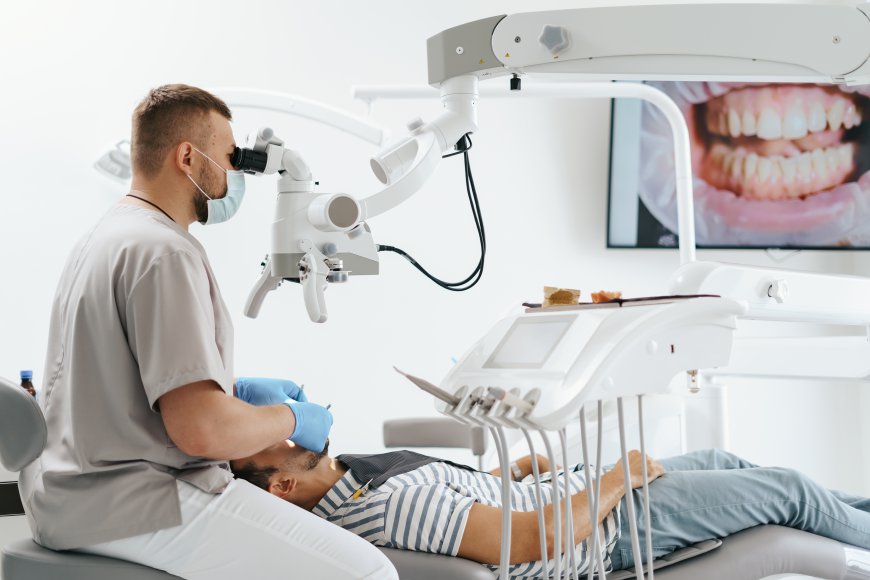
If your dentist just told you that you need Oral Surgery, the first thing that comes to your mind is most likely going to be the amount of discomfort that the procedure has the potential to bring. Unfortunately, you are not alone, as this is the first thought that has crossed the mind of almost everyone who has ever heard those dreadful words come out of their dentist's mouth. Who wants to have surgery that involves cutting into your mouth and stitching it back up, removing teeth, etc? Thankfully for us, thanks to modern day technology and medicine, almost everyone who has gone through any type of oral surgery was very pleasantly surprised at how non-intense the procedure ended up being, and how quick they were to recover from it.
Why the Fear of Pain Is Often Unjustified
The fear of pain associated with oral surgery is often exaggerated. The anesthetic and sedative agents available allow most patients to be relatively comfortable throughout the procedure. In addition, post-operative discomfort, while sometimes present, is typically mild to moderate and short-lived.
What Actually Happens During the Procedure Itself
Depending on the nature of the procedure, you may be awake with local anesthesia or you may be sedated in order to help you relax. The methods are subtly different for wisdom tooth extractions, dental implant placement, and gum surgery, but the principle is the same: cause as little damage as possible to the surrounding tissues while performing the surgery in an efficient manner.
What Actually Happens During the Procedure Itself
The type of surgery can vary depending on the situation, sometimes you are kept awake with only local anaesthetic and sometimes you are put to sleep to make it easier to work with. The actual work involved in wisdom tooth extraction, dental implants or gum surgery are similar in that they aim to reduce the amount of damage to the surrounding tissue as much as possible.
Controlling Discomfort in the Coming Days
Discomfort after a dental procedure tends to reach maximum levels within the first 48 to 72 hours following the surgery and then subsides. Over-the-counter analgesics are usually sufficient, but your dentist might suggest a more potent prescription drug, depending on the surgery’s nature. It is essential to follow all post-operative instructions to ensure proper healing.
Foods That Aid and Foods That Damage Healing
Yogurt, soups, and applesauces are some of the things you would be allowed to eat on your first few days home. You must avoid foods that are hard to chew or swallow or that are especially spicy, because they may irritate the surgical site and cause a condition called dry socket. A temporary, but painful inconvenience is entirely worth it in order to expedite the healing process.
Red Flags After Dental Treatment
Although most of the aftermath shall heal on its own accord, it is vital to understand that there are certain signs which indicate the need to visit a dentist. For example, it is advisable to pay a visit to a professional if the bleeding continues for a considerably long time after the healing commences, or in cases where one develops a fever or intense pain after a couple of days.It is better to be safe than sorry, and therefore one should always endeavour to give a call to the dentist to schedule an appointment instead of enduring a long and drawn out procedure due to one's carelessness.
How Long Full Recovery Takes
Some procedures leave you feeling back to your daily activities after just a few days, but more involved surgeries like the placement of dental implants or grafting have long periods of healing underneath the surface. Olive family dentistry makes sure you are aware of these time frames before your procedure even starts, and you will find that the discomfort you feel as a result of the surgery will most definitely dissipate before the full recovery process is over, so do not rush the healing process.
Finding the Right Support for a Smooth Experience
Having a dentist, who can explain each step clearly and keep track of the healing process, is crucial for a good experience. Many people look for a trusted family dentist burbank area residents recommend when searching for such qualities, as most regular check-ups and procedures tend to make one more apprehensive about getting the required oral care.
When Comfort Measures Make the Biggest Difference
Small things like proping up your head while sleeping, avoiding heavy work for a few days or even just using any rinses that your doctor told you to can help immensely in terms of comfort. But none of this is worth doing if you do not do them.
Conclusion
The oral surgery procedure may seem frightening, but in most cases, it is much easier for the patient than they imagine. Anesthesia, post-operative instructions, and the post-operative period are three factors that ease the process. A good family dentist Burbank patients can rely on in the area will assist them with such procedures while providing the necessary care.
Frequently Asked Questions
How long can the patient expect the area to be swollen after the surgery?
It is normal for the swelling to appear on the second and third day and reach its peak.
Is it possible to return to work the day after having a surgery?
The patient is expected to stay home for a day or two due to potential tiredness and weakness experienced after the operation.
Is inability to open the mouth fully a normal side-effect of the surgery?
It is normal for the patient to be unable to open their mouth fully, have a swollen and stiff lower jaw for a while after the surgery.
Is it necessary for the patient to have a driver pick them up after the procedure?
Yes, a driver is necessary as the anesthetic’s effect can last five hours or more.
When can the patient start brushing the area after the surgery?
The patient should not attempt to clean the affected part of their mouth for the first several days after the operation.