Global Mining Truck Market: Size, Trends, and Strategic Outlook 2026-2033
The mining truck market exhibits dynamic growth driven by accelerating demand in mining operations and enhanced focus on operational efficiency. With rising investments in infrastructure development and resource extraction worldwide, the market is poised for significant transformation. Strategic market insights highlight key industry players leveraging technological advancements to maintain competitive advantage amid evolving market dynamics.
 coherent12
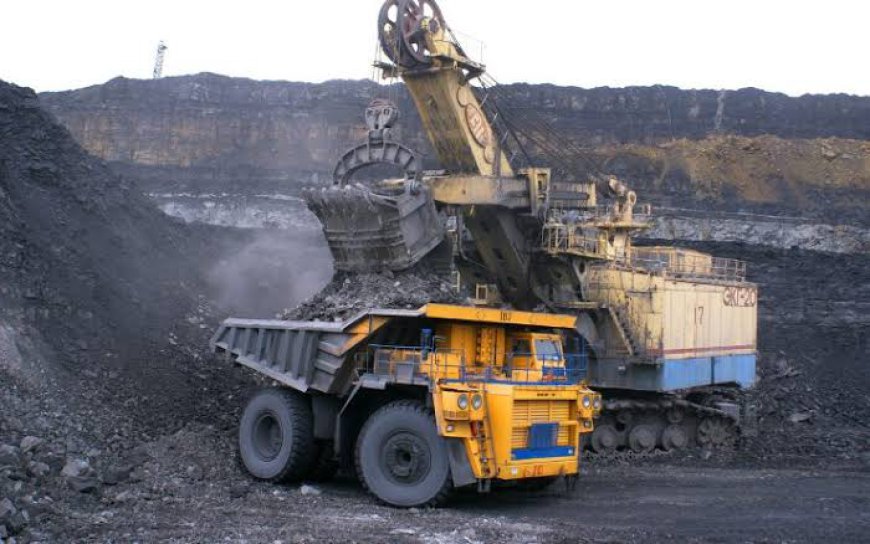
Market Size and Overview
Coherent Market Insights estimates that the global mining truck market is expected to reach USD 26 Bn in 2026 and will expand to USD 42 Bn by 2033, registering a CAGR of 6% between 2026 and 2033.
This growth underscores expanding market opportunities fueled by increased mining activities in Asia-Pacific and North America. The market report also reveals a shift towards electric and autonomous mining trucks as key market drivers, enhancing efficiency and sustainability. Mining Truck Market Revenue growth is supported by steady demand from metal and mineral extraction sectors, indicating robust industry size expansion and revenue potential.
Current Event & Its Impact on Market
I. Semiconductor Supply Chain Disruptions and Resource Nationalism
A. Semiconductor Shortage Constraints - Potential impact on Market:
- Persistent microchip shortages in 2024 have delayed production timelines for advanced mining trucks equipped with autonomous and electric features. This nano-level challenge has restrained market growth and affected market revenue for mining truck manufacturers.
B. Resource Nationalism in South America - Potential impact on Market:
- Government policies in mining-heavy countries like Chile and Peru, aimed at increasing local beneficiation, introduce regulatory complexities and influence capital allocation by mining truck market players. This regional event impacts the procurement of heavy machinery and affects market share competition.
C. Rise in Sustainable Mining Regulations - Potential impact on Market:
- Macro-level environmental mandates focusing on carbon emissions drive innovation, accelerating market trends toward energy-efficient and zero-emission mining trucks, thereby expanding market scope.
II. Geopolitical Tensions and Infrastructure Investment Initiatives
A. US-China Trade Disputes - Potential impact on Market:
- Ongoing trade tensions disrupt supply chains, causing increased costs and delivery delays of mining truck components sourced from Asia. This macroeconomic event challenges market companies to diversify suppliers or localize production to safeguard market growth.
B. Belt and Road Initiative (BRI) Expansion - Potential impact on Market:
- Infrastructure projects across Asia and Africa under BRI stimulate increased mining operations, creating substantial market opportunities in emerging markets and favorable market dynamics for mining truck manufacturers.
C. Rising Commodity Prices - Potential impact on Market:
- The surge in metal prices in 2024 propels mining activities, resulting in higher market revenue streams and intensifying competition among market players to capture increased demand.
Impact of Geopolitical Situation on Supply Chain
The recent trade restrictions imposed amid the ongoing US-China geopolitical tensions have notably affected the supply chain of the mining truck market. For instance, Komatsu Ltd faced component sourcing delays in early 2025 due to export control measures on critical raw materials from China. This disruption increased lead times by 15%, compelling the company to reconfigure supply strategies towards more resilient, diversified suppliers in Southeast Asia. This case exemplifies how geopolitical shifts directly influence the reliability and cost efficiency of mining truck production, thereby impacting market growth strategies and overall market size.
SWOT Analysis
- Strengths:
- Integration of advanced technologies such as autonomous driving and electric powertrains strengthen product differentiation and reduce operational costs.
- Established market players with strong global distribution networks enhance industry share and business growth opportunities.
- Weaknesses:
- High capital expenditure and complex maintenance requirements limit adoption by smaller mining companies, restraining market scope in certain regions.
- Delays caused by semiconductor shortages and supply chain vulnerabilities can dampen market revenue and challenge market growth.
- Opportunities:
- Rising demand for sustainable mining solutions fuels innovation in electric and hydrogen-powered mining trucks.
- Expansion of mining activities in emerging economies presents untapped market segments and revenue avenues.
- Threats:
- Regulatory pressures on environmental emissions may necessitate costly redesigns, impacting profit margins.
- Fluctuating commodity prices and geopolitical uncertainties pose risks to consistent market demand and investment flows.
Key Players
- Caterpillar Inc
- Komatsu Ltd
- Liebherr Group
- Volvo Construction Equipment
- Hitachi Construction Machinery Co. Ltd
- Epiroc AB
- Bell Equipment Limited
- BEML Ltd
- Ashok Leyland
- Doosan Infracore
- Terex Corporation
- SANY Group
- XCMG Group
- CNH Industrial
- Tata Motors Ltd
In 2025, several market companies pursued aggressive technology partnerships to enhance autonomous mining truck capabilities, notably Caterpillar’s collaboration with AI firms increased operational efficiency by 12%. Komatsu Ltd invested in electrification innovations, enabling longer truck runtimes and shaping evolving industry trends. Volvo Construction Equipment expanded its footprint in the Asia-Pacific market, strategizing for business growth through localized service centers, greatly improving its market share in this key region.
FAQs
1. Who are the dominant players in the mining truck market?
The mining truck market is predominantly led by companies such as Caterpillar Inc, Komatsu Ltd, Liebherr Group, Volvo Construction Equipment, and Hitachi Construction Machinery, which leverage technology and strategic partnerships to maintain competitive market positioning.
2. What will be the size of the mining truck market in the coming years?
The mining truck market size is projected to grow from USD 26 billion in 2026 to USD 42 billion by 2033, demonstrating a steady CAGR of 6.0% supported by expanding mining activities and a shift toward electrification.
3. Which end-users industry has the largest growth opportunity?
Metal and mineral mining sectors remain the largest end-user segments, driven by rising demand for essential metals and escalating infrastructure projects worldwide.
4. How will market development trends evolve over the next five years?
Market trends will increasingly focus on electric mining trucks, autonomous vehicle integration, and sustainable mining solutions, aligned with regulatory mandates for reduced carbon emissions.
5. What is the nature of the competitive landscape and challenges in the mining truck market?
The competitive landscape is characterized by concentrated dominant players facing challenges such as supply chain disruptions, technological demands, and stringent environmental regulations, necessitating continuous innovation and market growth strategies.
6. What go-to-market strategies are commonly adopted in the mining truck market?
Companies are adopting strategies such as technology partnerships, expansion in emerging markets, investment in localized services, and innovation in electric and autonomous mining trucks to capture market opportunities and enhance market revenue.
➣ Get more insights on : Mining Truck Market
➣ Get this Report in Japanese Language: マイニングトラック市場
➣ Get this Report in Korean Language: 광산트럭시장
➣ Read More Related Articles: How to Choose the Right Hand Tool for Your Project
About Author:
Money Singh is a seasoned content writer with over four years of experience in the market research sector. Her expertise spans various industries, including food and beverages, biotechnology, chemical and materials, defense and aerospace, consumer goods, etc