Quinoa Seeds: Nutrition, Climate Resilience, and New Cultivation Frontiers
Quinoa seeds are gaining global popularity due to their high nutritional value, gluten-free properties, plant-based protein content, and versatility across food and beverage applications. Growing demand for healthy foods, expanding cultivation beyond the Andes, climate-resilient agriculture, and increasing vegan and vegetarian diets are creating new opportunities for quinoa producers and food manufacturers.
 Marketinsights
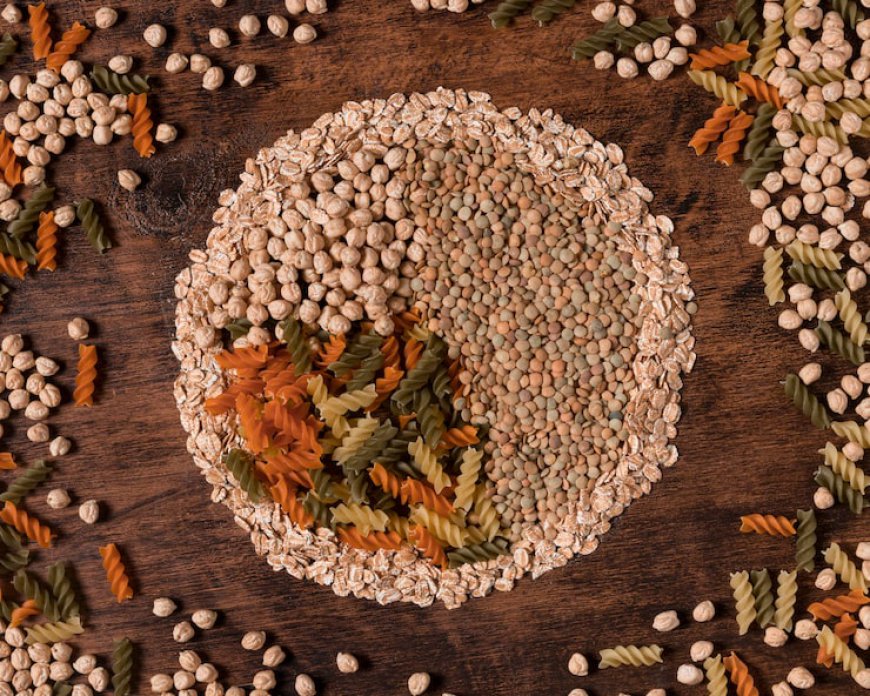
Quinoa seeds are gaining wider attention as consumers, food manufacturers, and agricultural producers look for nutritious and versatile crops. Quinoa is naturally gluten-free and contains a balanced profile of essential amino acids, while also providing fiber, vitamins, minerals, and beneficial plant compounds. These characteristics are strengthening its appeal among health-conscious, vegan, vegetarian, and gluten-intolerant consumers.
According to the latest study by MarkNtel Advisors, the Global Quinoa Seeds Market is being shaped by changing dietary preferences, expanding cultivation outside the Andes, growing food and beverage applications, and rising interest in authentic, ethically sourced, and organic foods. The study covers applications including food & beverages, personal care, and pharmaceuticals, along with organic and inorganic categories and white, red, and black quinoa types.
Strong Nutritional Profile Supports Demand
Quinoa's nutritional composition is one of the primary factors behind its growing popularity. Unlike many conventional cereals, quinoa provides all nine essential amino acids, making it an attractive plant-based protein source.
Its gluten-free characteristics further increase its suitability for consumers with gluten intolerance or wheat allergies. The presence of fiber, vitamins B and E, and minerals such as iron, magnesium, manganese, and phosphorus also supports its positioning within health-oriented diets.
White Quinoa Remains the Preferred Type
White quinoa holds the largest position among the major quinoa types. Its mild flavor, neutral taste, soft texture, and relatively quick cooking time make it suitable for consumers who are new to quinoa as well as established users.
Its versatility also enables incorporation into salads, energy bars, bakery products, and other food applications. The increasing adoption of vegan and vegetarian lifestyles is further supporting demand for white quinoa as a plant-based protein source.
Food and Beverage Applications Expand
Food and beverages represent the leading application area for quinoa seeds. The ingredient's nutritional characteristics and adaptability allow manufacturers to incorporate it into a wide range of products.
Quinoa is being used in breakfast cereals, healthy snacks, bakery products, soups, pasta, noodles, baby food, beverages, ice creams, and even beer. This versatility is helping transform quinoa from a traditional grain into an ingredient suitable for modern food formulations.
Cultivation Expands Beyond the Andes
Quinoa cultivation is increasingly moving beyond its traditional Andean homeland. The crop's ability to tolerate drought, frost, saline soils, nutrient-poor environments, and high-altitude conditions makes it attractive for regions facing challenging agricultural conditions.
According to the report, quinoa cultivation has expanded to more than 120 countries, including the United States, European countries, China, and India. Research and breeding programs adapted to local growing conditions are also supporting the development of improved varieties.
Climate Resilience Creates Agricultural Opportunities
Quinoa's adaptability gives it potential significance in discussions surrounding food security and climate-resilient agriculture. Its ability to grow under difficult conditions can provide farmers with an alternative crop in regions where conventional agricultural production may face limitations.
The expansion of local cultivation can also diversify supply sources and potentially reduce dependence on traditional producing regions, while encouraging agricultural research into heat-resistant and locally adapted varieties.
North America Maintains a Leading Position
North America represents the leading regional area for quinoa seeds, supported by strong health awareness, agricultural capabilities, and interest in nutritious and resilient crops.
The United States and Canada are using advanced farming machinery and conducting research into quinoa varieties, including studies focused on characteristics such as sprouting seasons and heat resistance. These developments are supporting cultivation and improving the region's ability to serve domestic and international demand.
Processing Challenges Remain
Traditional quinoa processing methods can create challenges as production scales up. Many conventional approaches were originally developed for small-scale cultivation and may not provide the efficiency required for modern commercial operations.
The report highlights issues including raw-material losses, reduced grain quality, higher production costs, wastewater generation, and difficulties recovering saponins. These challenges can affect operational efficiency and make it more difficult for producers to meet stringent international quality and safety requirements.
Recent Developments Encourage Expansion
The quinoa seeds ecosystem continues to attract investment and strategic activity. In 2024, The British Quinoa Company announced plans to expand its grower network to respond to increasing demand. The company reported cultivation across multiple farms in the UK.
During the same year, Quinoa Corporation, including its Ancient Harvest and Pamela's brands, was acquired by Saco Foods, demonstrating continued strategic interest in quinoa-focused food businesses.
Conclusion
Quinoa seeds are becoming increasingly relevant to the global food and agricultural ecosystem because of their nutritional value, versatility, gluten-free characteristics, and ability to tolerate challenging growing conditions. Expanding cultivation beyond the Andes, growing food applications, and increasing interest in plant-based nutrition are creating new opportunities for producers and food manufacturers.
As research improves locally adapted varieties and processing technologies become more efficient, quinoa can continue expanding its role across modern food formulations while contributing to crop diversification and climate-resilient agricultural development.