Global Traction Motor Market: Size, Trends, Growth, and Strategic Insights
The traction motor industry is witnessing significant transformation with advancing electric mobility and automation technologies. This market is increasingly critical for electric vehicles, railways, and industrial machinery, driving key developments influencing market dynamics and opening new avenues for growth. Detailed market analysis reveals encouraging trends in investment and innovation shaping the future of the traction motor market.
 coherentmarket
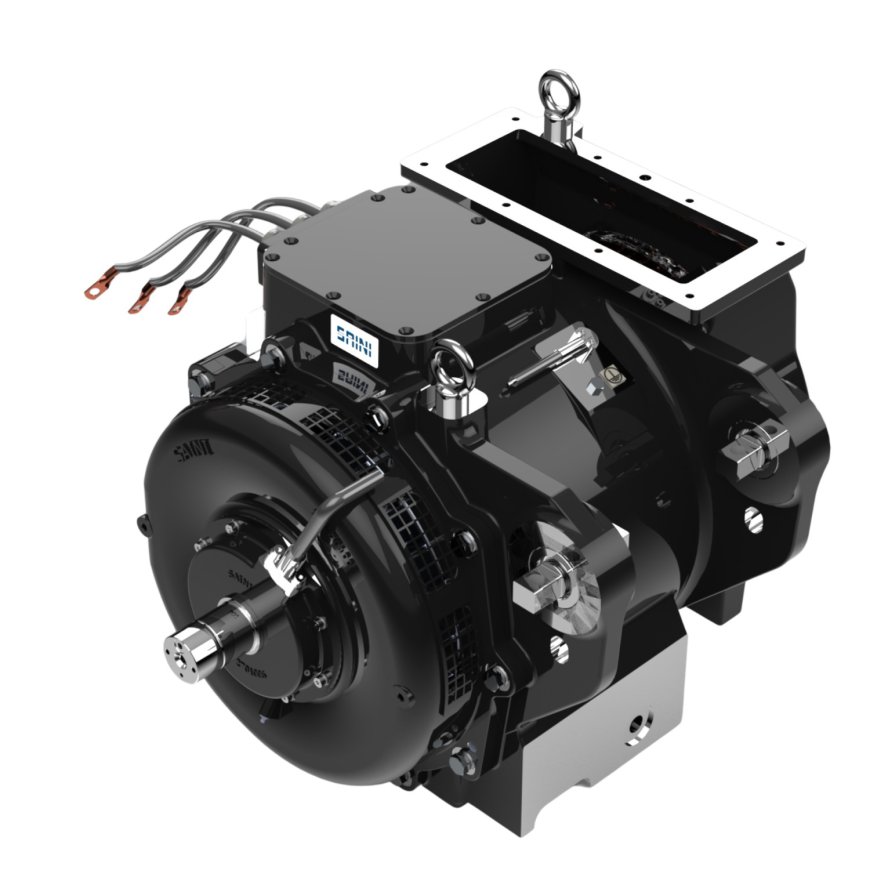
Market Size and Overview
The traction motor market is estimated to be valued at USD 15.42 Bn in 2025 and is expected to reach USD 29.87 Bn by 2032. It is projected to grow at a compound annual growth rate (CAGR) of 9.8% from 2025 to 2032.
This robust market growth is propelled by increased adoption of electric vehicles and industrial automation, expanding the market scope significantly. The Traction Motor Market Report highlights steady increases in market revenue driven by expanding end-user segments in both transportation and industrial sectors.
Market Drivers
One of the foremost market drivers for the traction motor market is the escalating demand for electric vehicles (EVs). In 2024, global EV sales surged by over 40%, catalyzing traction motor deployment across automotive and commercial sectors. For instance, leading transportation companies announced sizable orders for traction motors to support EV fleets, underscoring how electrification trends impact market revenue. This growth driver also intensifies market competition among market players to innovate efficient and compact motor designs, thereby unlocking new market opportunities.
PEST Analysis
- Political: Government policies worldwide, particularly clean energy mandates and emission reduction targets set in 2024, have incentivized investment in electric traction technologies, positively influencing industry size and market growth.
- Economic: Production cost reductions and increased funding for green technologies amid a recovering global economy in 2025 are accelerating market growth strategies and supplier expansions.
- Social: Rising consumer preference for sustainable transportation solutions and increased industrial automation adoption reflect evolving industry trends that fuel market demand, particularly in urban regions.
- Technological: Breakthroughs in motor efficiency and power density, exemplified by advancements introduced by key manufacturers in 2025, are reducing market restraints linked to motor performance and cost, thus expanding market scope.
Promotion and Marketing Initiative
Recent marketing initiatives focus on highlighting sustainability and innovation. For example, in 2024, Siemens AG launched a global campaign showcasing their latest high-efficiency traction motors for rail and electric vehicles, positioning technology innovation as a core value. This strategy substantially enhanced brand visibility, leading to increased inquiries and contracts, illustrating how targeted promotion positively impacts business growth and market share within the traction motor market.
Key Players
- Siemens AG
- ABB Ltd.
- General Electric Company
- Bosch Limited
- Nidec Corporation
- Mitsubishi Electric
- Toshiba Corporation
- WEG Industries
- Nidec-Shimpo Corporation
- Hyundai Electric
- Regal Beloit Corporation
- Yaskawa Electric Corporation
- Emerson Electric Co.
- Bharat Heavy Electricals Limited (BHEL)
- TECO Electric & Machinery
Recent developments in 2024-2025 include:
- Siemens AG expanded production facilities in Europe to meet rising demand, boosting their market share and revenues.
- ABB Ltd. introduced a new range of compact traction motors tailored for urban electric buses, resulting in significant contract wins.
- General Electric Company formed strategic partnerships focused on smart grid integration of traction motor technologies, enhancing market positioning.
FAQs
Q1: Who are the dominant players in the traction motor market?
The traction motor market is led by industry giants such as Siemens AG, ABB Ltd., General Electric Company, Bosch Limited, and Nidec Corporation, which dominate through technology innovation and strategic expansions.
Q2: What will be the size of the traction motor market in the coming years?
The traction motor market size is estimated at USD 15.42 billion in 2026, forecasted to grow to USD 29.67 billion by 2033, driven by strong adoption in the EV and industrial sectors.
Q3: Which end-user industry has the largest growth opportunity?
Electric vehicles represent the largest growth opportunity, with a surge in global EV sales in 2024 and ongoing investments in electrification of public and commercial transport.
Q4: How will market development trends evolve over the next five years?
Traction motor market trends are expected to evolve with increasing focus on energy efficiency, motor miniaturization, and integration with smart technologies, supporting sustainable market growth.
Q5: What is the nature of the competitive landscape and challenges in the traction motor market?
The market is highly competitive, with emphasis on technological innovation and cost efficiency. Key challenges include managing high upfront R&D costs and addressing component supply chain constraints.
Q6: What go-to-market strategies are commonly adopted in the traction motor market?
Key players adopt strategies such as global production expansion, strategic partnerships for technology collaboration, targeted marketing campaigns emphasizing sustainability, and tailored product launches to meet specific market segments.
‣ Get more insights on : Traction Motor Market
‣ Get this Report in Japanese Language: トラクションモーター市場
‣ Get this Report in Korean Language: 트랙션모터시장
‣ Read More Related Articles: Japan Rail Freight Transport - Logistics Industry Backbone
Author Bio:
Ravina Pandya, Content Writer, has a strong foothold in the market research industry. She specializes in writing well-researched articles from different industries, including food and beverages, information and technology, healthcare, chemical and materials, etc.