Home Renovation Costs in Australia: How to Build a Realistic Budget in 2026
 Home Mastery
Improving a home can make the living place more functional and valuable, but finance remains the most difficult part of any construction project. Material costs, labour issues, local council restrictions and changes in the scope of the project may all play a role in determining the final amount of money that is to be spent on the renovation. Thus, a well-thought-out budget is not just a simple list of anticipated expenditures.
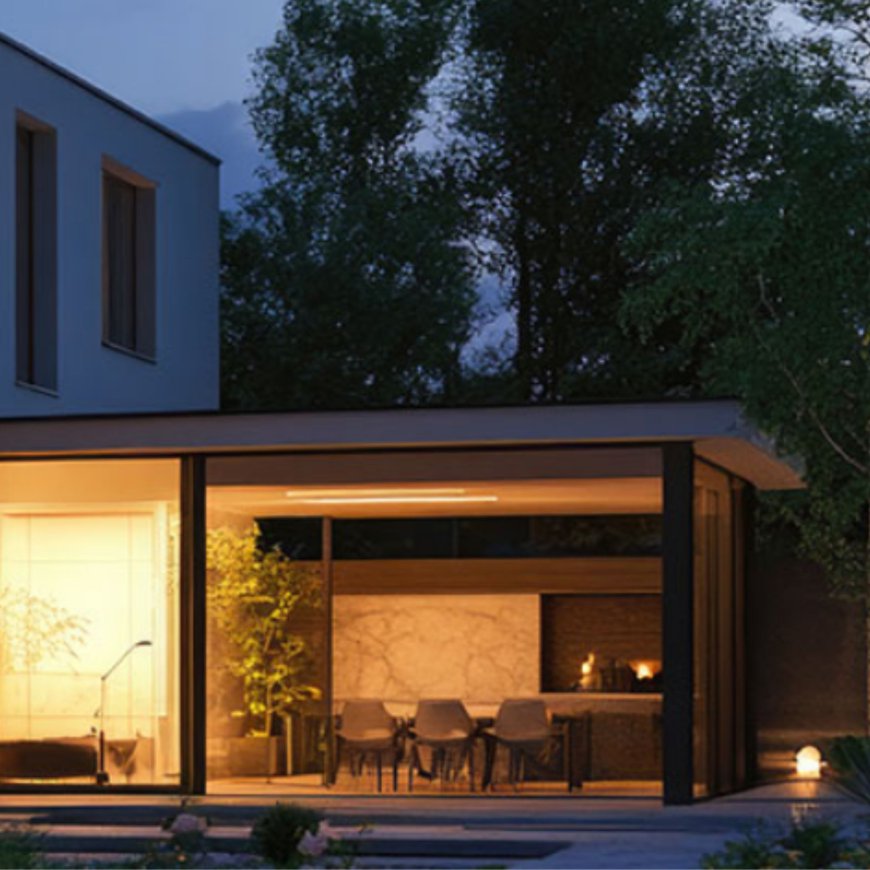
For homeowners thinking of renovating their homes through building extensions or remodelling kitchens and bathrooms, getting ac quainted with the cost structure will avoid any unpleasant surprises. An online building and renovation course may also prove helpful in understanding the principles of planning and budgeting. Having a real starting budget in hand and prioritising spending will definitely make decision-making easier.
Start With the Scope Before Setting the Budget
The renovation budget should be based on the scope of the project, rather than vice versa. One must first identify all necessary changes and differentiate between the essentials and luxuries before doing research on pricing.
-
Scope of the project: Determine how many rooms will be renovated, whether the whole apartment will be transformed, or even extended.
-
Differentiate wants from needs: Structural repairs, waterproofing and installation of electricity usually go before decoration of the place.
-
Think of the state of the property: Older buildings usually require renovations of electricity, plumbing, roof or structure, which one might not be aware of initially.
-
Determine the purpose of the renovation: A renovation meant to stay in the property for some time differs from the one done for resale.
This knowledge will help you to estimate the costs better and not to make costly additions during the process.
Break the Renovation Budget Into Categories
An estimate based on one number only tends to oversimplify the renovation process. Cost allocation into categories makes it easier to see where the money is spent and where there might be the need for change.
Expenses to Budget For
-
Design and planning: Architects’ services, draftsmen’s fees and others could be required, depending on the nature of the work involved.
-
Labour: Tradies’ charges could be substantial, especially when dealing with complicated or specialised jobs.
-
Materials: Flooring, cabinets, tiles, fixtures, equipment, windows and finishes will differ in cost.
-
Approval of plans: Some projects might need approvals from the council, a building permit or special plans.
-
Preparation of site: Site demolition, waste disposal, excavation and any other necessary preparation work could affect your budget.
-
Contingency: Extra money set aside makes it easy to cope with any surprises that crop up during the renovation without ruining your project.
Using a renovation budget planner would make it easier to monitor the above cost categories.
How to Compare Renovation Quotes Properly
It is useful to get several quotations for a renovation project, yet comparing prices alone may mislead a homeowner. Quotations may differ significantly, as they can cover different types of materials, labour, services or assumptions.
-
Inspect what is covered: Do not consider only the quoted price but check if demolition, waste disposal, preparations, installation and finishing works are covered in the price.
-
Consider like-for-like quotes: It is essential to consider contractors' quotes based on identical scope, materials, and specifications where possible.
-
Inspect exclusions: The excluded items may eventually lead to extra payments, so try to clarify the items that you are not quite clear on.
-
Inspect provisional sums: These sums may be revised, depending on the actual cost of the construction.
-
Ask about payment schedule: Try to get to know about payments that are to be made and at which stage of the construction.
-
Consider the contractor: In addition to a quotation, experience, communication, licensing and previous work may be equally significant.
An extensively detailed quotation may seem more costly, yet may minimise the risks of any unexpected payments after starting the construction.
Prioritise Where Your Renovation Budget Goes
All parts of the renovation process do not carry equal weight. In the case where there is limited funding for your project, you should concentrate on those aspects that are more functional in nature to avoid excess spending on aesthetic changes.
-
Start by fixing the basic things: roofs, structure, waterproofing, drainage and electricity problems.
-
Prioritise the most used places: kitchens, bathrooms, floors and storage.
-
Use materials that are durable: The initial high cost will help lower future replacement.
-
Factor in the cost of installation: It includes delivery, labour and finishing.
Effective budgeting should prioritise functionality above all else.
Allow for the Costs You Cannot See
Another frequent error is concentrating on visible finishes while neglecting work hidden from view behind walls and under floors.
For instance, if a householder wants a basic bathroom makeover and he budgets for tiles, vanity unit, shower, fitting, and labour, he may find that during the demolition stage, some deterioration in water-resistant material or flooring material may occur, which requires further repair before installing any finishes.
It is for this reason that veteran renovators always make provisions for contingencies instead of thinking that the initial quote is going to be the end of the line.
-
Inspect existing services when possible before commencement of construction works.
-
Inquire about the assumptions made by the contractors on which they base their quotations.
-
Provision for contingencies must be made as a cushion against the realities of home renovations.
-
Do not use up all your budget on finishes.
-
Check your quotations for exclusions and provision sums.
Contingency is not waste but a provision against home renovation issues.
Plan the Spending Around the Construction Sequence
It can influence the cost aspect and even convenience. Buying something early can lead to storage issues, while selecting materials once the construction has started can result in delays.
-
Make sure that your important decisions are made prior to trades using them at site.
-
Check the lead times of your cabinetry, windows, appliances, and special materials.
-
Plan the stages of construction so one would not unnecessarily hinder the other.
-
Keep track of the deposits and progress payments made.
-
Review the budget whenever scope changes.
Such basics can be learned with a renovation planning course Australia.
Avoid the Most Common Budget Mistakes
A project that has been thoroughly researched could also prove costly through reactive decision-making.
-
Alterations in the plan once work has begun.
-
Selecting high-quality finishes without considering the cost of installing them.
-
Going for the lowest quotation without making comparisons.
-
Forgetting professional, approval and disposal fees.
-
Not keeping a contingency fund.
-
Taking estimates given online as the final price.
The best budgets allow flexibility but at the same time avoid unnecessary costs.
Conclusion
To establish an effective renovation budget in Australia, the cost of materials and labour should not be the only things considered by homeowners. They need to have an understanding of the entire project, take into consideration the costs associated with hiring experts, hidden problems and expenses incurred during the process. An effective budget may help people make some tough decisions and eliminate the stress involved in large-scale building projects.
For homeowners who want to renovate their homes or become better in this area, an online building and renovation course can serve as a helpful start. The ideal budget does not have to be the most economical but rather one that represents the true cost of the project.