Hospitality Uniforms for Property and Resort Staff: Improving Comfort, Recognition, and Brand Consistency
Explore hospitality uniforms for large resorts that balance branding, comfort, durability, and functionality across front desk, housekeeping, maintenance, grounds, and valet teams.
 SPECIALTY APPAREL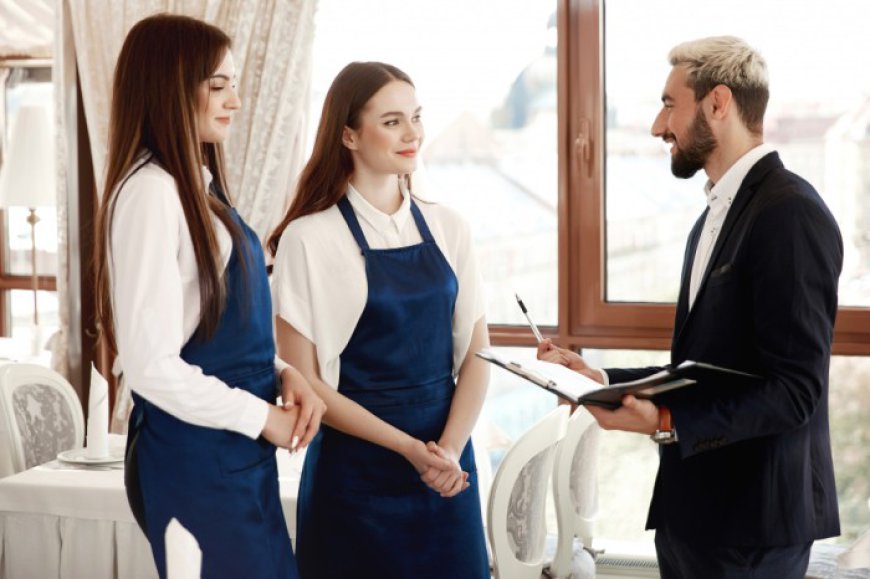
Large hospitality properties depend on many employees working together. A resort may have front desk personnel, housekeeping teams, restaurant staff, maintenance workers, grounds employees, valet attendants, event staff, and managers. Although these employees perform different tasks, they all contribute to the same guest experience.
Their clothing can help connect these different roles. A well planned approach to hospitality uniforms allows employees to remain recognizable while giving each department garments suited to its responsibilities. This is particularly important for properties where guests move between indoor and outdoor spaces.
A visitor may see a front desk employee in the morning, encounter a maintenance worker later, speak with a restaurant employee in the afternoon, and meet a valet attendant in the evening. Consistent branding can create a visual connection between all of these interactions, helping the property maintain a professional and recognizable appearance throughout the guest experience.
1. Large Properties Need Organized Apparel Strategies
A small business may be able to manage employee clothing informally. Large resorts and hospitality properties usually cannot. They may have hundreds of employees, multiple departments, seasonal staffing changes, and different work environments. This creates logistical challenges. Managers need to think about employee sizes, garment quantities, seasonal clothing, replacements, and department specific requirements. An organized apparel strategy can make these responsibilities easier to manage.
2. Hospitality Uniforms Can Create a Unified Guest Experience
Guests should feel that every part of the property belongs to the same organization. Employee clothing can contribute to this impression. Shared colors, logos, and visual elements can connect different departments. Businesses reviewing hospitality uniforms can consider how different garments can work together while still meeting the needs of individual employees. The result can be a more unified visual experience.
1. Use Shared Branding
Different departments can use common logos and colors. This creates recognition without requiring identical garments.
2. Choose Role Appropriate Clothing
Each department should receive apparel that supports its responsibilities.
3. Plan Seasonal Changes
Outdoor employees may need additional clothing during different seasons.
3. Front Office Teams Represent the Property
Front desk employees and guest services teams are highly visible. Their clothing should support the property's image while remaining comfortable during long periods of guest interaction. They may stand, sit, walk, and move between areas during their shifts. Professional clothing can help create a polished first impression.
4. Housekeeping Employees Need Mobility
Housekeeping teams perform physically demanding tasks. They move supplies, clean rooms, push carts, bend, reach, and walk throughout the property. Their apparel should support these movements. Comfort and durability are important because the clothing is likely to experience frequent use. At the same time, employees can encounter guests in hallways and common areas, so a presentable appearance remains important.
5. Grounds Teams Need Outdoor Clothing
Large resorts may have employees responsible for landscaping and outdoor spaces. These workers can spend most of their day outside. Their clothing should be suitable for changing weather and physical activity. Seasonal options can help employees remain comfortable. Durability also matters because grounds work can expose garments to dirt, water, plants, equipment, and other materials.
6. Valet Teams Need Professional and Practical Clothing
Valet employees often interact with guests at arrival and departure. Their clothing needs to create a polished appearance while allowing them to move quickly around vehicles. Comfort and mobility should therefore be considered alongside hospitality presentation. The garments should also remain recognizable as part of the property's overall brand.
7. Maintenance Employees Need Durable Workwear
Maintenance teams keep the property operating. They may repair equipment, plumbing, electrical systems, HVAC units, doors, lighting, and other facilities. Their clothing can encounter tools and materials that would not normally affect front office employees. Durability becomes a major consideration. A maintenance uniform can remain connected to the property through appropriate branding while providing practical workwear.
8. Employee Comfort Supports Long Shifts
Hospitality employees frequently work long shifts. Comfort can affect how they experience their day. Garments should allow natural movement and remain comfortable across different activities. Businesses should evaluate fit, fabric, breathability, weight, and flexibility. Employee feedback can help identify clothing that performs well in real conditions.
9. Seasonal Apparel Should Be Part of Planning
A resort may have employees working outside throughout the year. Warm weather may require lightweight clothing. Colder conditions may require jackets or other layers. Seasonal apparel should maintain the same branding standards as regular uniforms. This creates continuity. Guests should be able to recognize employees regardless of the season.
10. Managing Seasonal Staffing
Hospitality properties may hire additional employees during busy travel periods. These employees need uniforms too. A structured apparel program can make seasonal onboarding easier. Managers can maintain clear sizing information and established distribution procedures. This reduces the time required to prepare new employees.
11. Replacement and Maintenance Matter
Garments eventually become worn. Large hospitality properties need a process for identifying when clothing should be repaired or replaced. This helps maintain a consistent appearance. Maintenance also affects garment life. Businesses should establish clear care expectations and determine whether professional apparel services can support their needs.
12. Creating Consistency Without Losing Department Identity
A common mistake is assuming that every department must wear the same clothing. Different jobs require different garments. Instead, businesses can create shared branding while allowing department specific styles. This can help employees remain recognizable according to their roles. A guest should be able to distinguish a maintenance employee from a restaurant server while still recognizing that both represent the same property.
13. Choosing a Long Term Apparel Partner
Large properties need an apparel provider capable of supporting changing requirements. The provider should understand employee sizing, department differences, seasonal clothing, branding, replacements, and service needs. A long term relationship can make apparel management easier. The provider should be responsive when the property adds employees, changes branding, opens a new location, or needs new garments.
Conclusion
Large hospitality properties depend on many different employee groups, and each group has unique apparel requirements. The right uniform strategy can connect these teams through shared branding while giving employees clothing suited to their actual work.
From front office and housekeeping to maintenance, grounds, restaurant, and valet teams, every employee contributes to the guest experience. Specialty Apparel can help hospitality businesses explore practical apparel solutions for different departments and working environments. Organizations interested in developing or improving their apparel program can contact Specialty Apparel to discuss their requirements.
FAQs
Q. Why do resorts need different uniforms for different departments?
Ans. Different departments perform different tasks and therefore have different practical requirements. Role specific clothing can improve comfort and functionality while shared branding maintains consistency.
Q. How can resorts maintain a consistent appearance?
Ans. Resorts can use shared logos, colors, branding standards, and coordinated garment styles across departments while allowing each team to use clothing appropriate for its work.
Q. What should outdoor hospitality employees consider?
Ans. Outdoor employees should consider weather, comfort, durability, movement, seasonal clothing, and exposure to sun, rain, wind, or cold.
Q. How can large properties manage employee apparel?
Ans. A structured process for sizing, distribution, replacements, seasonal garments, maintenance, and employee changes can make apparel management more predictable.
Q. Why should employee feedback be considered?
Ans. Employees understand how clothing performs during real shifts. Their feedback can help managers select garments that are more comfortable, practical, and suitable for daily work.