How Does Marijuana Quality Affect Its Potency Levels?
Learn how marijuana quality affects potency through genetics, cultivation, curing, storage, and lab testing for consistent cannabis strength.
 alotofmarijuanabuds
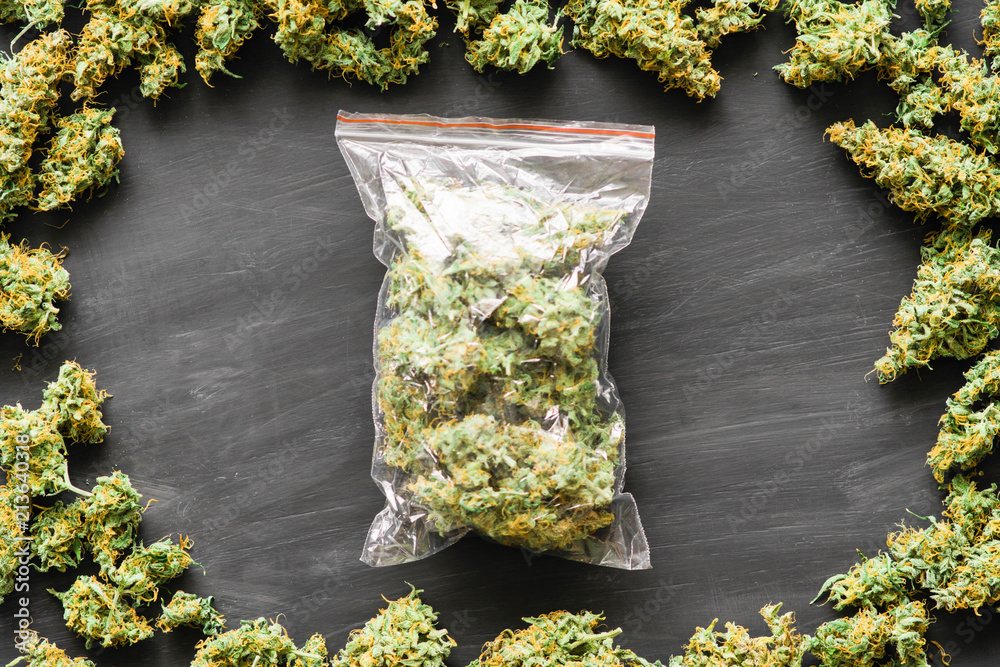
Alot Of Marijuana Buds enter the market every day, yet potency differences often confuse buyers seeking consistent results. Marijuana quality directly influences cannabinoid concentration, terpene expression, and overall effectiveness. Products grown and processed with precision maintain stronger chemical integrity compared to poorly handled alternatives. Potency is not determined by THC percentage alone; it reflects genetics, cultivation methods, curing standards, and storage practices. Understanding each stage of production allows consumers to evaluate cannabis accurately and select products that deliver reliable, predictable effects without unnecessary risk.
What Is Potency?
Potency refers to the measurable concentration of cannabinoids present within cannabis flower, particularly THC and CBD. THC produces psychoactive effects, while CBD contributes balancing and therapeutic properties. Terpenes also influence how potency feels by shaping aroma, flavor, and absorption patterns. Laboratory analysis typically determines potency percentages, yet overall plant quality affects how efficiently cannabinoids perform. True potency reflects both chemical strength and preservation standards. A well-maintained product often delivers smoother, longer-lasting results than cannabis that shows similar THC levels but lacks structural and chemical stability.
Genetics Matter
Cannabis genetics establish the upper limit of cannabinoid production long before cultivation begins. Certain strains are selectively bred for high THC content, while others prioritize CBD or balanced ratios. Strong genetic lineage supports consistent cannabinoid expression across harvest cycles. Inferior or unstable genetics often produce uneven potency, reduced resin formation, and inconsistent performance. Professional cultivators rely on verified seed sources and stable breeding practices to maintain reliability. Genetics create the blueprint for potency, making strain selection a foundational step in producing high-quality cannabis.
Growing Conditions
Environmental control plays a critical role in maximizing potency. Light intensity drives photosynthesis and resin development, while nutrient balance supports healthy cannabinoid synthesis. Stable temperature and humidity prevent plant stress that may reduce THC concentration. Proper airflow limits mold growth and protects trichomes during flowering. Cultivation facilities that monitor environmental variables carefully typically produce denser buds with higher resin coverage. Poor conditions weaken plant health and compromise chemical output. Consistent growing standards allow cannabis plants to reach their full cannabinoid potential.
Harvest Timing
Precise harvest timing preserves peak cannabinoid levels. Trichomes gradually change from clear to milky and amber, signaling chemical maturity. Harvesting too early limits THC development and reduces overall potency. Delayed harvesting may cause THC to degrade into other cannabinoids with milder psychoactive properties. Skilled growers examine trichome color under magnification to determine the ideal cutting window. Accurate timing protects cannabinoid concentration and maintains balanced effects. Proper harvest decisions significantly influence the final strength and overall consumer experience.
Proper Drying
Drying cannabis slowly under controlled conditions protects potency and terpene retention. Rapid drying methods can cause uneven moisture loss and accelerate cannabinoid degradation. Excess moisture increases the risk of mold contamination, which compromises both safety and strength. A gradual drying process at moderate humidity preserves trichome structure and chemical composition. Even airflow ensures uniform drying throughout dense buds. Careful moisture reduction stabilizes cannabinoids and prepares the flower for curing. Professional drying practices safeguard potency at this critical transitional stage.
Curing Process
Curing allows cannabinoids and terpenes to mature while moisture levels equalize within the buds. Stored in airtight containers under controlled humidity, cannabis undergoes slow chemical stabilization. Periodic air exchange prevents excess moisture buildup and supports balanced curing. This process enhances aroma, smoothness, and overall performance without altering cannabinoid concentration negatively. Poor curing may lead to oxidation, terpene loss, or contamination. Structured curing schedules preserve potency and improve product consistency. Proper curing ultimately strengthens both chemical integrity and consumer satisfaction.
Storage Factors
- Airtight Containers: Reduce oxygen exposure that can gradually degrade THC molecules.
- Cool Temperatures: Prevent accelerated cannabinoid breakdown caused by heat.
- Low Light Exposure: Shield cannabis from UV rays that weaken chemical compounds.
- Controlled Humidity: Maintain stability and reduce mold risk within stored flower.
Effective storage preserves marijuana potency long after cultivation and curing are complete. Environmental exposure remains one of the most common causes of strength reduction. Even premium cannabis can lose effectiveness through improper storage conditions over time.
Appearance And Resin
Visual characteristics often reflect marijuana quality and potential potency. Dense buds coated in visible trichomes indicate strong cannabinoid presence. Trichomes contain most active compounds, making their preservation essential for strength. Healthy coloration and intact structure signal careful handling and proper cultivation practices. Flattened or brittle buds may suggest excessive compression or age-related degradation. Although appearance cannot replace laboratory confirmation, it provides valuable insight into overall product integrity. High resin coverage frequently correlates with enhanced potency and more consistent effects.
Terpene Influence
Terpenes contribute significantly to how potency is experienced by consumers. These aromatic compounds interact with cannabinoids, shaping the intensity and character of effects. Balanced terpene profiles can amplify perceived strength without increasing THC concentration. Cannabis rich in diverse terpenes often delivers more layered and pronounced sensations. Weak terpene expression may result in flat or shortened effects despite acceptable THC levels. Professional cultivation and curing techniques protect terpene integrity. Strong terpene preservation enhances overall potency perception and improves flavor consistency.
Lab Testing
Laboratory testing provides objective verification of cannabinoid content and product safety. Certified labs measure THC, CBD, and terpene percentages using standardized analytical methods. Accurate labeling allows consumers to compare potency levels reliably. Testing also screens for pesticides, heavy metals, and microbial contamination that may impact quality. Products backed by consistent lab reports demonstrate accountability and professional production standards. Verified data ensures transparency in potency claims. Consumers benefit from measurable proof rather than relying solely on visual inspection or marketing descriptions.
Handling And Transport
Handling and transportation influence potency retention after production. Rough compression can damage trichomes, reducing cannabinoid density on the flower surface. Exposure to high temperatures during transit may accelerate THC degradation. Professional packaging protects structural integrity and limits environmental exposure. Temperature-controlled logistics maintain chemical stability from cultivation facilities to retail distribution. Poor handling practices diminish potency even in well-grown cannabis. Careful post-harvest management preserves strength, ensuring consumers receive products that reflect original cultivation quality.
Conclusion
Marijuana potency is the result of consistent quality control across every stage of production rather than a single factor such as THC percentage. Genetics determine potential strength, while cultivation, harvest timing, drying, curing, storage, and careful handling protect that potential from degradation. Each step works together to preserve cannabinoids, terpenes, and overall chemical stability. Cannabis grown and processed with precision delivers reliable, predictable effects and better value for consumers. Focusing on complete quality standards ensures stronger potency, improved safety, and a more satisfying, dependable experience every time.
FAQs
1. What factors most affect marijuana potency?
Genetics, growing conditions, harvest timing, curing methods, storage practices, and laboratory verification collectively determine overall potency.
2. Does improper storage reduce THC strength?
Heat, oxygen, light exposure, and excess humidity can gradually degrade THC and lower potency levels.
3. Why do some strains feel stronger than their THC percentage suggests?
Balanced terpene profiles interact with cannabinoids, influencing how potency is perceived.
4. How important is lab testing for cannabis quality?
Independent lab testing confirms cannabinoid percentages and ensures safety through contaminant screening.
5. Can handling impact marijuana potency?
Excessive compression and heat exposure during transport may damage trichomes and reduce cannabinoid concentration.